
Loading...
Also known as: Roselle leaves, Sorrel leaves, Ambadi, Pulicha Keerai, Pundi, Pitwaa, Kudrum, Red Sorrel, gongura, sour grass
Per 100g
Nutrition data source: USDA FoodData Central
Common measurement equivalents in grams
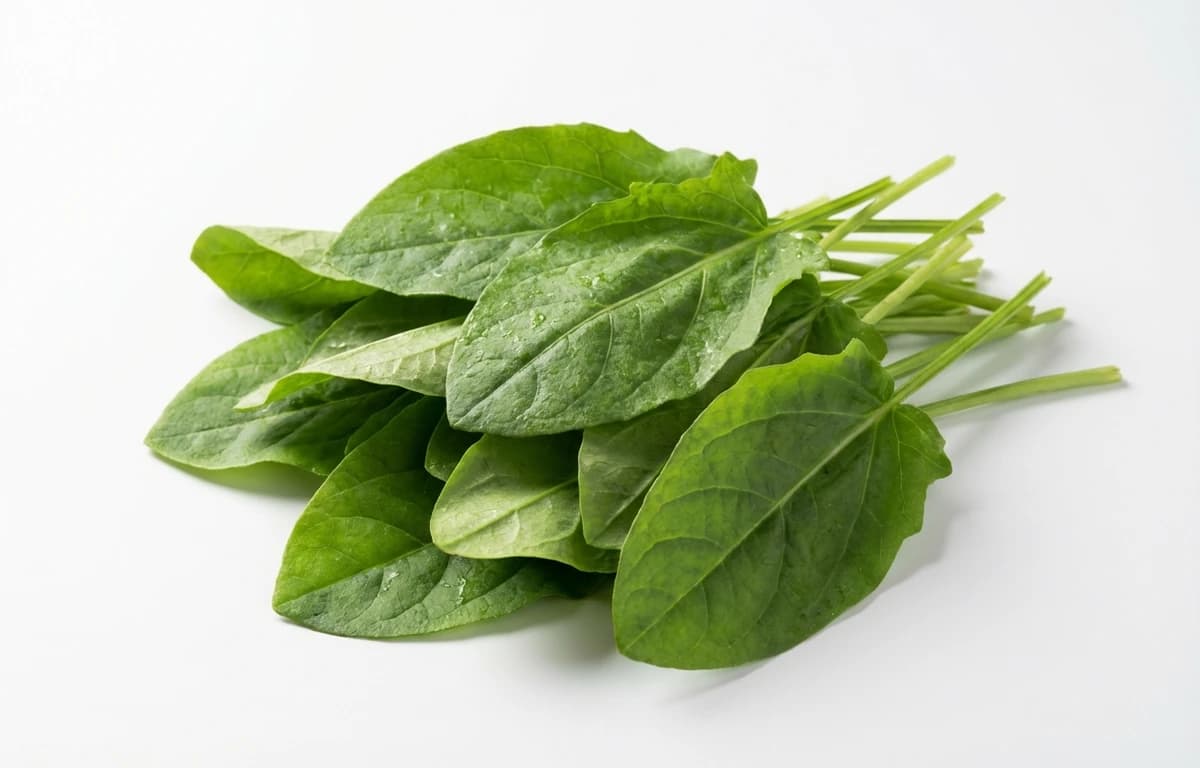
Gongura leaves have a distinctively sour and tangy flavor, similar to sorrel or a mix of spinach and lemon.
Look for bright green leaves that are crisp and free from yellowing, dark spots, or wilting. Smaller leaves are usually more tender.
Yes, you can blanch the leaves, puree them, and freeze the paste in ice cube trays for long-term use in curries.
A mixture of spinach and fresh lemon juice or tamarind paste can mimic the texture and sourness, though the flavor won't be identical.
Yes, there are two main varieties: green-stemmed (milder) and red-stemmed (more sour/tangy).
Pluck the leaves from the stems, then soak them in a bowl of cold water to let dirt settle. Rinse twice more and pat dry.
Popular dishes include Gongura Pachadi (chutney), Gongura Pappu (dal), and Gongura Mutton or Chicken.
Yes, Gongura is a very good plant-based source of iron, making it beneficial for those with anemia.
While edible raw, they are very sour and slightly tough. They are almost always consumed cooked or pickled.
Gongura Leaves is a versatile ingredient found in cuisines around the world. With 28 calories per 100g and 1.9 grams of protein, it's a nutritious addition to many dishes.
Explore more ingredients in the vegetable category with complete nutrition information.
View all vegetable →Discover 10 recipes featuring gongura leaves with step-by-step instructions.
Browse recipes →Explore more ingredients similar to Gongura Leaves.
The most-searched ingredients on CraftMyMeals.
