Other5 recipes
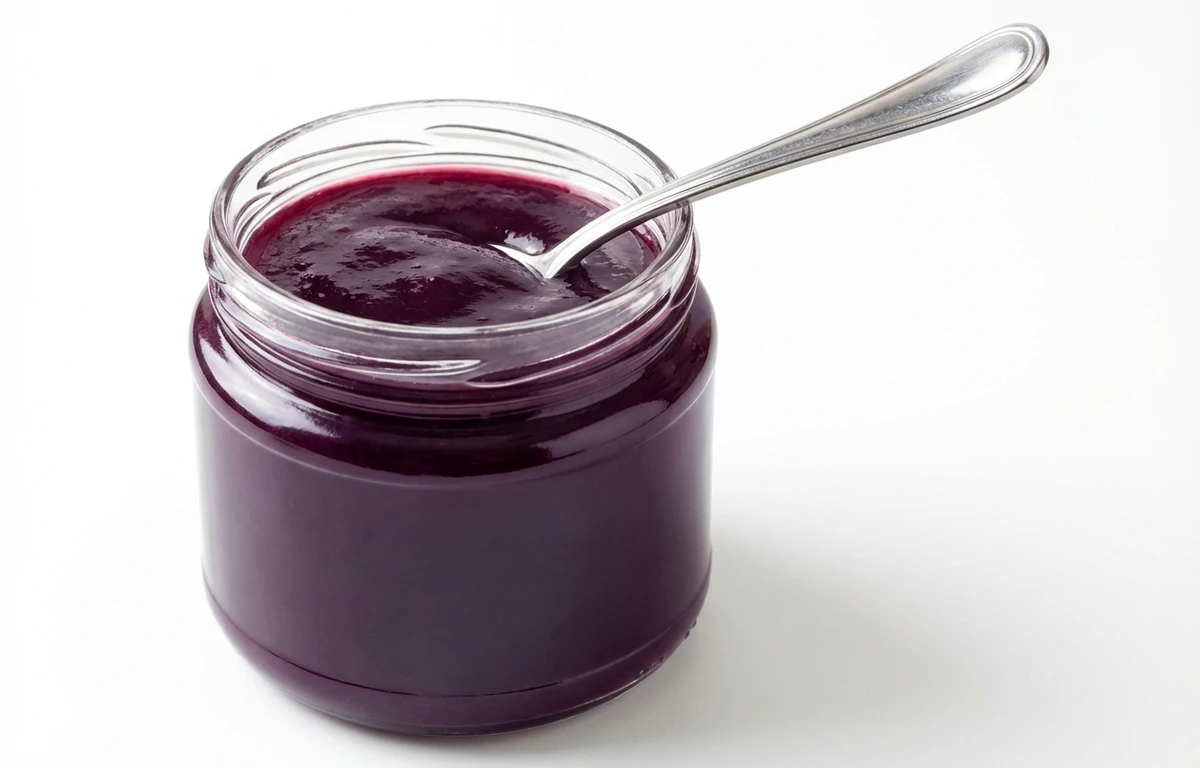
grape jelly.
VegetarianVeganGluten-freeDairy-freeNut-freePeanut-freeSoy-freeEgg-freeShellfish-freeHoney-freeAlcohol-free
ALSO KNOWN AS
grape spreadgrape preserve
SERVING
CALORIES
266
PROTEIN
0.15g
CARBS
70g
FAT
0.02g
FIBER
1.0g
This ingredient is flagged as naturally gluten-free. Per 100 g, it provides 0.30 µg of vitamin K.
NUTRITION PROFILE · per 100 g
Everything in this ingredient.
MACRONUTRIENTS
Calories266kcal—
Protein0.15g0%
Carbohydrates70g25%
Fiber1.0g4%
Sugar51.2g102%
Total fat0.02g0%
Saturated fat0.01g0%
Cholesterol0mg0%
Water29.8g—
MINERALS
Sodium30mg1%
Potassium54mg1%
Calcium7.0mg1%
Iron0.19mg1%
Magnesium6.0mg1%
Phosphorus6.0mg0%
Zinc0.03mg0%
Copper0.01mg1%
Manganese0.13mg6%
Selenium0.40µg1%
VITAMINS
Vitamin A0µg0%
Vitamin C0.90mg1%
Vitamin D0µg0%
Vitamin E0mg0%
Vitamin K0.30µg0%
Thiamin (B1)0mg0%
Riboflavin (B2)0.03mg2%
Niacin (B3)0.04mg0%
Pantothenic acid (B5)0.20mg4%
Vitamin B60.02mg1%
Folate (B9)2.0µg1%
Vitamin B120µg0%
%DV based on a 2,000 cal diet. Source: USDA FoodData Central. A dash in the %DV column means there’s no established Daily Value for that nutrient.
MEASUREMENT CONVERSIONS
How much is what.
1 cup324g
1 tablespoon20.3g
1 teaspoon6.8g
1 oz28.4g
1 lb453.6g
1 ml1.4g
1 liter1350g
1 piece50g
HEALTH BENEFITS
Why eat it.
- ✓Provides a quick source of simple carbohydrates for an energy boost.
- ✓Can be a source of certain vitamins in small amounts, such as Vitamin C, depending on the processing method.
COOKING TIPS
In the kitchen.
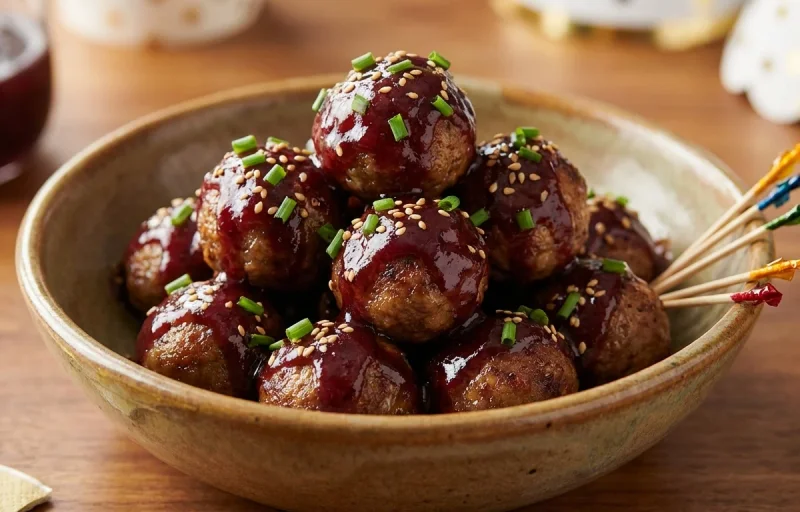
- 1Combine with chili sauce or BBQ sauce to create a simple, sweet and tangy glaze for meatballs, chicken wings, or pork.
- 2Use as a filling for thumbprint cookies, pastries, or layer cakes.
- 3Whisk into vinaigrettes with balsamic vinegar and olive oil for a fruity salad dressing.
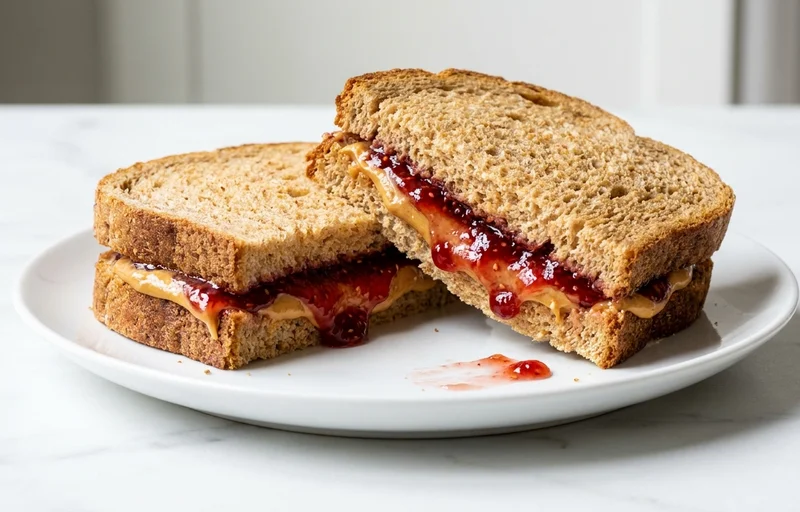
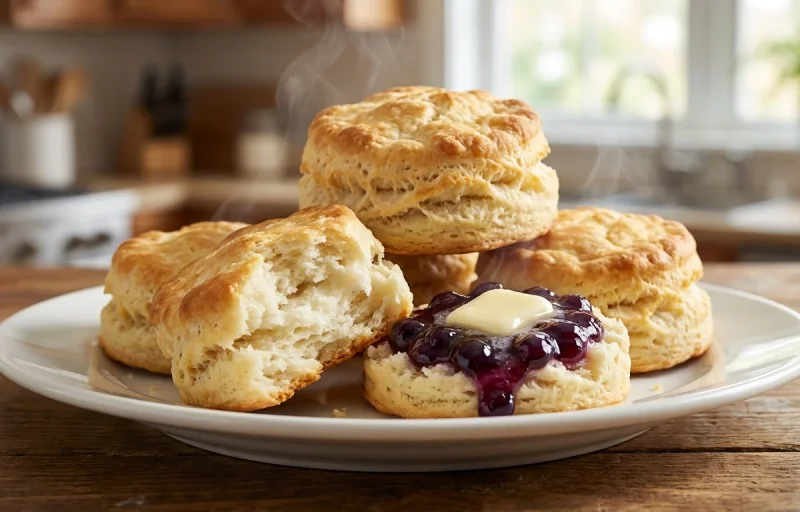
- 4Spread on toast, bagels, or English muffins, and famously pair with peanut butter for a classic PB&J sandwich.
STORAGE
Keep it fresh.
- Store unopened jars in a cool, dark, and dry place like a pantry for up to one year.
- After opening, seal the jar tightly and refrigerate immediately. Consume within 1-2 months for best quality and to prevent mold growth.
FAQ
Frequently asked questions.
How much sugar and calories are in grape jelly?
Per 100g, grape jelly contains approximately 266 calories and nearly 70g of carbohydrates, almost all of which are sugars. It has minimal protein (0.15g) and fat (0.02g), making it primarily a source of concentrated simple sugars.
Is grape jelly vegan?
Most grape jelly is vegan, as it is typically made from grape juice, sugar, pectin (a plant-derived gelling agent), and citric acid. However, it's always best to check the ingredient list to ensure no animal-derived products like gelatin are used, though this is rare for jelly.
Is grape jelly gluten-free?
Yes, grape jelly is naturally gluten-free. Its primary ingredients (grape juice, sugar, pectin, citric acid) do not contain gluten. It is generally safe for individuals following a gluten-free diet, but always check for specific certifications if cross-contamination is a concern.
What are common uses for grape jelly besides toast or PB&J?
Beyond classic toast and peanut butter and jelly sandwiches, grape jelly can be used in various ways. It makes an excellent glaze for meats like meatballs or chicken wings, can be incorporated into sauces, used as a filling for pastries and tarts, or swirled into yogurt and oatmeal.
How long does grape jelly last?
An unopened jar of grape jelly typically lasts for about 1-2 years past its best-by date when stored properly. Once opened and refrigerated, it generally remains good for about 6 months to 1 year, though quality may diminish over time.
What is the difference between grape jelly, jam, and preserves?
The main difference lies in the fruit content and texture. Jelly is made from strained fruit juice, resulting in a clear, firm spread without fruit pulp or seeds. Jam contains crushed or chopped fruit, making it thicker and less clear, while preserves feature whole or large pieces of fruit suspended in a gel.
RECIPES
Cook with grape jelly.
5 recipes · sorted by what’s quick