
Dairy10 recipes
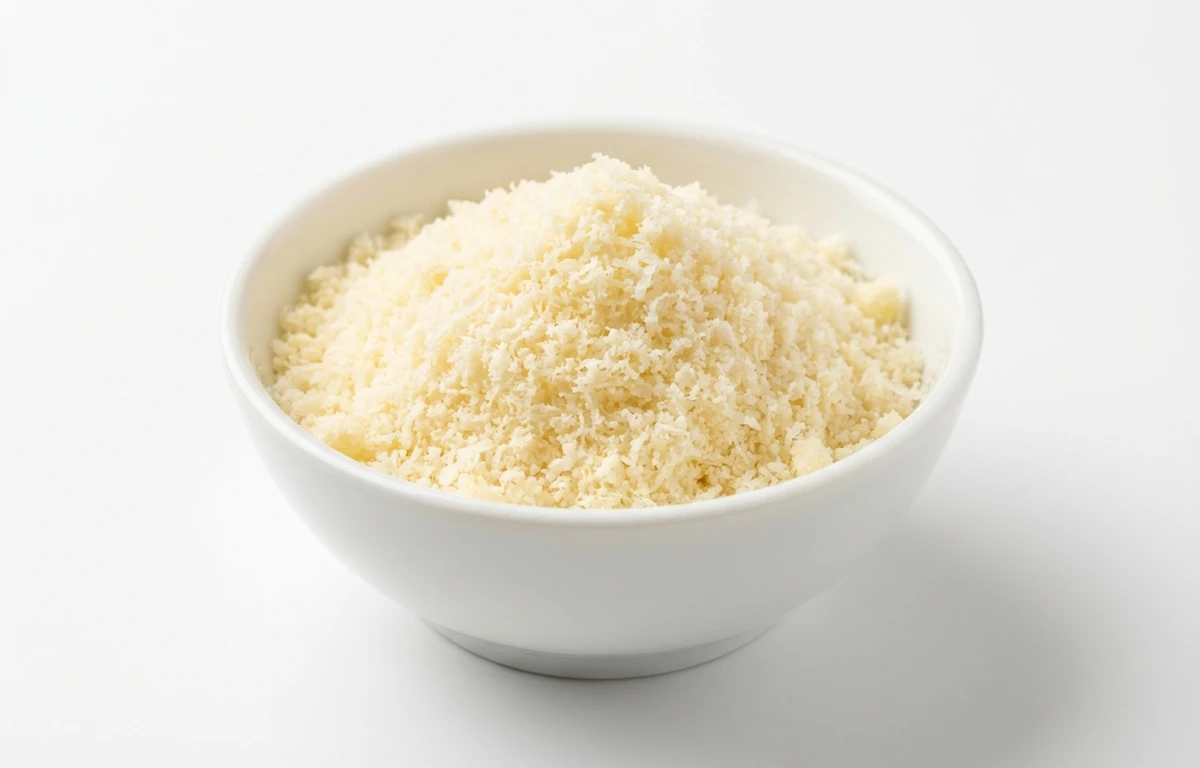
grated parmesan cheese.
VegetarianVeganGluten-freeDairy-freeNut-freePeanut-freeSoy-freeEgg-freeShellfish-freeHoney-freeAlcohol-freeHalalKosherFermented
ALSO KNOWN AS
parmesan cheeseparmesanparmesan reggiano
SERVING
CALORIES
420
PROTEIN
28.4g
CARBS
13.9g
FAT
27.8g
FIBER
0g
NUTRITION PROFILE · per 100 g
Everything in this ingredient.
MACRONUTRIENTS
Calories420kcal—
Protein28.4g57%
Carbohydrates13.9g5%
Fiber0g0%
Sugar0.07g0%
Total fat27.8g36%
Saturated fat15.4g77%
Trans fat0.88g—
Cholesterol86mg29%
Water22.6g—
MINERALS
Sodium1804mg78%
Potassium180mg4%
Calcium853mg66%
Iron0.49mg3%
Magnesium34mg8%
Phosphorus627mg50%
Zinc4.2mg38%
Copper0.04mg4%
Manganese0.07mg3%
Selenium34.4µg63%
VITAMINS
Vitamin A262µg29%
Vitamin C0mg0%
Vitamin D0.50µg3%
Vitamin E0.53mg4%
Vitamin K1.7µg1%
Thiamin (B1)0.03mg3%
Riboflavin (B2)0.36mg28%
Niacin (B3)0.08mg1%
Pantothenic acid (B5)0.45mg9%
Vitamin B60.08mg5%
Folate (B9)6.0µg2%
Vitamin B121.4µg58%
%DV based on a 2,000 cal diet. Source: USDA FoodData Central. A dash in the %DV column means there’s no established Daily Value for that nutrient.
MEASUREMENT CONVERSIONS
How much is what.
1 cup90g
1 tablespoon5g
1 teaspoon1.7g
1 ml0.3g
1 liter333.3g
HEALTH BENEFITS
Why eat it.
- ✓Excellent source of calcium and phosphorus, essential for bone health and density.
- ✓High in complete protein, providing all essential amino acids for muscle repair and growth.
- ✓Naturally very low in lactose due to the long aging process, making it digestible for many with lactose intolerance.
- ✓Rich in umami flavor, which can enhance satiety and potentially reduce the need for added salt in dishes.
COOKING TIPS
In the kitchen.
- 1Sprinkle over pasta, risotto, or soups at the end of cooking to add flavor without causing the cheese to clump or become stringy.
- 2Use as a binding agent and flavor enhancer in meatballs, breadcrumbs, or stuffings.
- 3Create 'frico' (cheese crisps) by baking small mounds of grated parmesan until golden and crispy for a gluten-free cracker or garnish.
- 4Incorporate into sauces like pesto or Alfredo for a rich, nutty, and savory depth of flavor.
STORAGE
Keep it fresh.
- Store pre-grated parmesan in an airtight container in the refrigerator and use within 1-2 weeks for optimal freshness.
- For longer storage, grated parmesan can be frozen in an airtight container or freezer bag for up to 6 months, though its texture may become slightly drier.
FAQ
Frequently asked questions.
Is grated Parmesan cheese healthy?
Grated Parmesan cheese is a good source of calcium and phosphorus, essential for bone health, and provides high-quality protein for muscle repair. Its rich umami flavor can enhance satiety. However, it is calorie-dense and high in fat, so it's best enjoyed in moderation as part of a balanced diet.
How much protein and calories are in grated Parmesan cheese?
Per 100g, grated Parmesan cheese contains approximately 420 calories and 28.42g of protein. It's a concentrated source of energy and a significant contributor of protein, making it a valuable addition to meals in smaller quantities.
Is grated Parmesan cheese good for weight loss?
While Parmesan cheese is calorie-dense, its strong flavor and high protein content can contribute to satiety, potentially helping to reduce overall food intake. Using a small amount to boost flavor can make meals more satisfying, but portion control is key due to its calorie and fat content.
Is grated Parmesan cheese lactose-free?
Due to its long aging process, Parmesan cheese is naturally very low in lactose. Most of the lactose is broken down during maturation, making it generally well-tolerated by many individuals with lactose intolerance, though it is not completely lactose-free.
Is grated Parmesan cheese vegetarian?
Traditional Parmesan cheese (Parmigiano Reggiano) is not vegetarian because it uses animal rennet in its production. However, some brands produce vegetarian Parmesan-style cheeses that use microbial rennet, so always check the label if you follow a vegetarian diet.
Is grated Parmesan cheese gluten-free?
Yes, authentic Parmesan cheese is naturally gluten-free. It is made from milk, salt, and rennet, none of which contain gluten. However, always check the label of pre-grated or processed Parmesan products to ensure no gluten-containing additives have been included.
What does grated Parmesan cheese taste like?
Grated Parmesan cheese has a distinct savory, salty, and nutty flavor with a rich umami depth. Its texture is typically dry and granular, which melts beautifully when heated and adds a sharp, complex finish to dishes.
What are the best ways to use grated Parmesan cheese in cooking?
Grated Parmesan is incredibly versatile. It's perfect for sprinkling over pasta, salads, and soups, or incorporating into sauces like pesto and Alfredo. It also adds a delicious crust to roasted vegetables, gratins, and baked dishes, enhancing their savory profile.
How should I store grated Parmesan cheese?
Grated Parmesan cheese should be stored in an airtight container or a sealed bag in the refrigerator. This prevents it from drying out, absorbing odors, and helps maintain its freshness and flavor for longer.
How long does grated Parmesan cheese last?
Properly stored in the refrigerator, pre-grated Parmesan cheese typically lasts for about 1-2 weeks after opening, while freshly grated cheese from a block can last longer, up to 3-4 weeks. Always check for any signs of mold or off-smell before consuming.
RECIPES
Cook with grated parmesan cheese.
10 recipes · sorted by what’s quick



















