Vegetable10 recipes
green onions.
VegetarianVeganGluten-freeDairy-freeNut-freePeanut-freeSoy-freeEgg-freeShellfish-freeHoney-freeAlcohol-free
ALSO KNOWN AS
onion flower stalkskanda patonion greensscallionsonion scapesonion flower stemspyaz ki dandionion stalksspring onionssalad onionshara pyazcebollitasbunching onionsgreen oniongreen onions
SERVING
CALORIES
32
PROTEIN
1.8g
CARBS
7.3g
FAT
0.19g
FIBER
2.6g
NUTRITION PROFILE · per 100 g
Everything in this ingredient.
MACRONUTRIENTS
Calories32kcal—
Protein1.8g4%
Carbohydrates7.3g3%
Fiber2.6g9%
Sugar2.3g5%
Total fat0.19g0%
Saturated fat0.03g0%
Trans fat0g—
Cholesterol0mg0%
Water89.8g—
MINERALS
Sodium16mg1%
Potassium276mg6%
Calcium72mg6%
Iron1.5mg8%
Magnesium20mg5%
Phosphorus37mg3%
Zinc0.39mg4%
Copper0.08mg9%
Manganese0.16mg7%
Selenium0.60µg1%
VITAMINS
Vitamin A50µg6%
Vitamin C18.8mg21%
Vitamin D0µg0%
Vitamin E0.55mg4%
Vitamin K207µg173%
Thiamin (B1)0.06mg5%
Riboflavin (B2)0.08mg6%
Niacin (B3)0.53mg3%
Pantothenic acid (B5)0.21mg4%
Vitamin B60.06mg4%
Folate (B9)64µg16%
Vitamin B120µg0%
%DV based on a 2,000 cal diet. Source: USDA FoodData Central. A dash in the %DV column means there’s no established Daily Value for that nutrient.
MEASUREMENT CONVERSIONS
How much is what.
1 cup120g
1 tablespoon6g
1 teaspoon2g
1 oz28.4g
1 lb453.6g
1 piece15g
HEALTH BENEFITS
Why eat it.
- ✓Excellent source of Vitamin K for bone health
- ✓Contains antioxidants like quercetin to reduce inflammation
- ✓High in Vitamin C to support immune function
- ✓Low in calories and high in fiber for weight management
- ✓Contains sulfur compounds that may support heart health
COOKING TIPS
In the kitchen.
- 1Use the white parts for a stronger onion flavor in sautéing
- 2Use the green parts raw as a garnish for a mild, fresh crunch
- 3Add to stir-fries at the very end to maintain color and texture
STORAGE
Keep it fresh.
- Store in the refrigerator crisper drawer wrapped in a damp paper towel
- Place roots-down in a jar with an inch of water and cover tops with a plastic bag
- Can be chopped and frozen in an airtight container for use in cooked dishes
FAQ
Frequently asked questions.
How long do green onions last in the fridge?
When stored properly in a damp paper towel or a jar of water, they typically last 1 to 2 weeks.
What is the difference between green onions and scallions?
They are the same thing. Both names refer to onions harvested before the bulb has fully formed.
Can you eat the white part of green onions?
Yes, both the white base and the green stalks are edible. The white part has a sharper onion flavor.
What is a good substitute for green onions?
Chives are the best substitute for garnishing. For cooking, shallots or leeks provide a similar mild flavor.
How do you pick the best green onions?
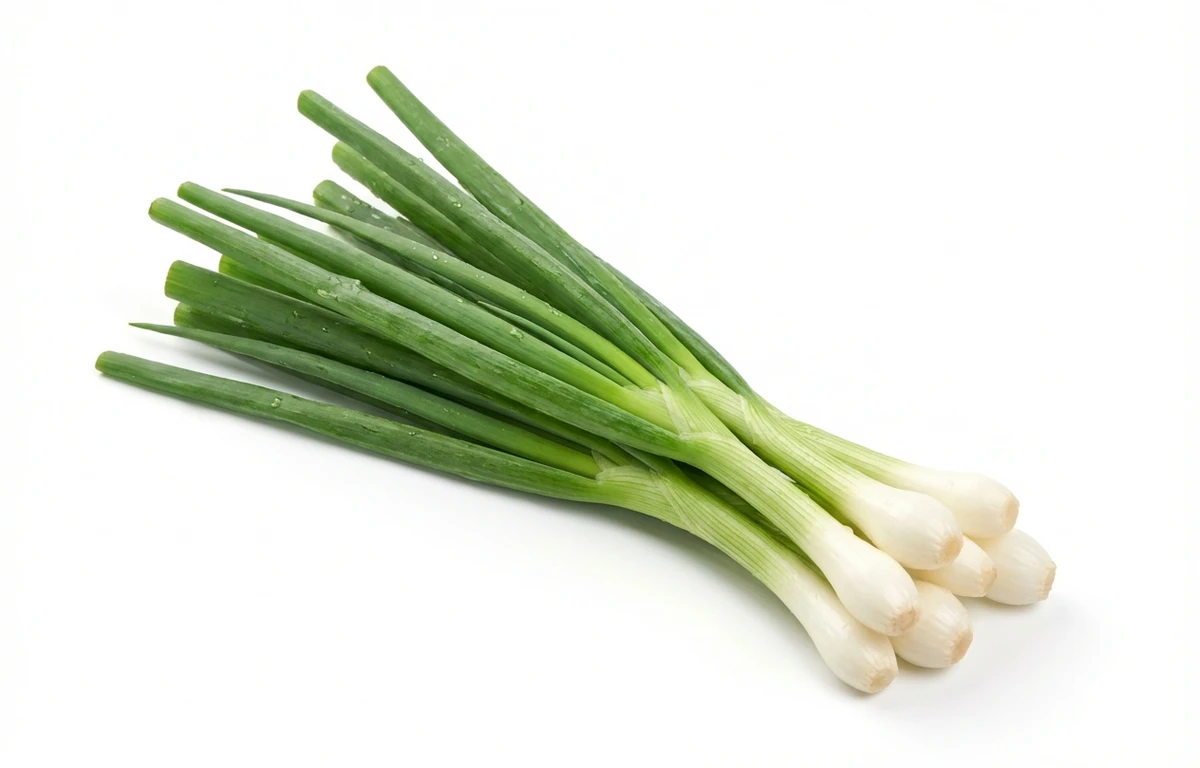
Look for bright green, crisp tops and firm white bases. Avoid any that are slimy, wilted, or yellowing.
Can green onions be frozen?
Yes, chop them and freeze in a freezer bag. They will lose their crunch, so use them in cooked dishes rather than as a raw garnish.
Are green onions considered a root vegetable?
While they grow partially above ground, they are part of the allium family and are restricted in diets that avoid root vegetables like Jainism.
How do you clean green onions?
Rinse under cold water, peel away any slimy outer layers from the white part, and trim off the root ends.
Are green onions high in vitamins?
Yes, they are particularly high in Vitamin K, Vitamin C, and Vitamin A relative to their calorie count.
Can you regrow green onions from scraps?
Yes, place the white root ends in a small glass of water in a sunny window, and they will sprout new green stalks.
RECIPES
Cook with green onions.
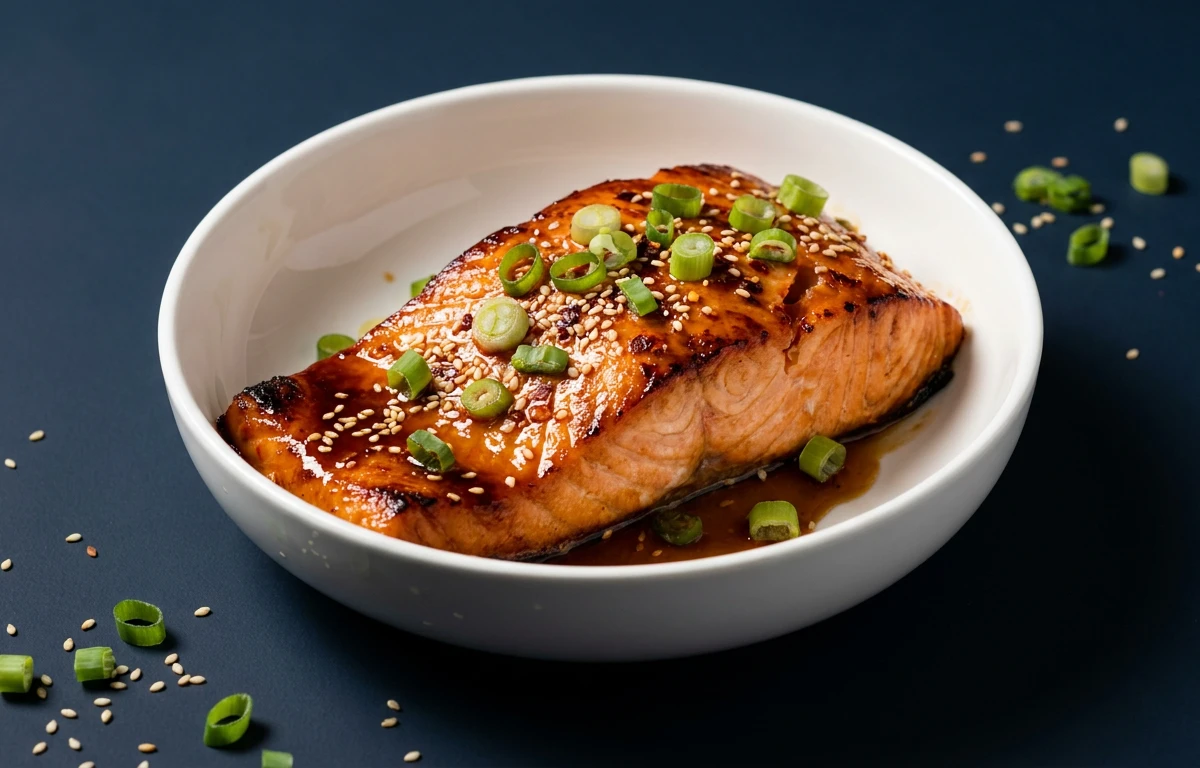
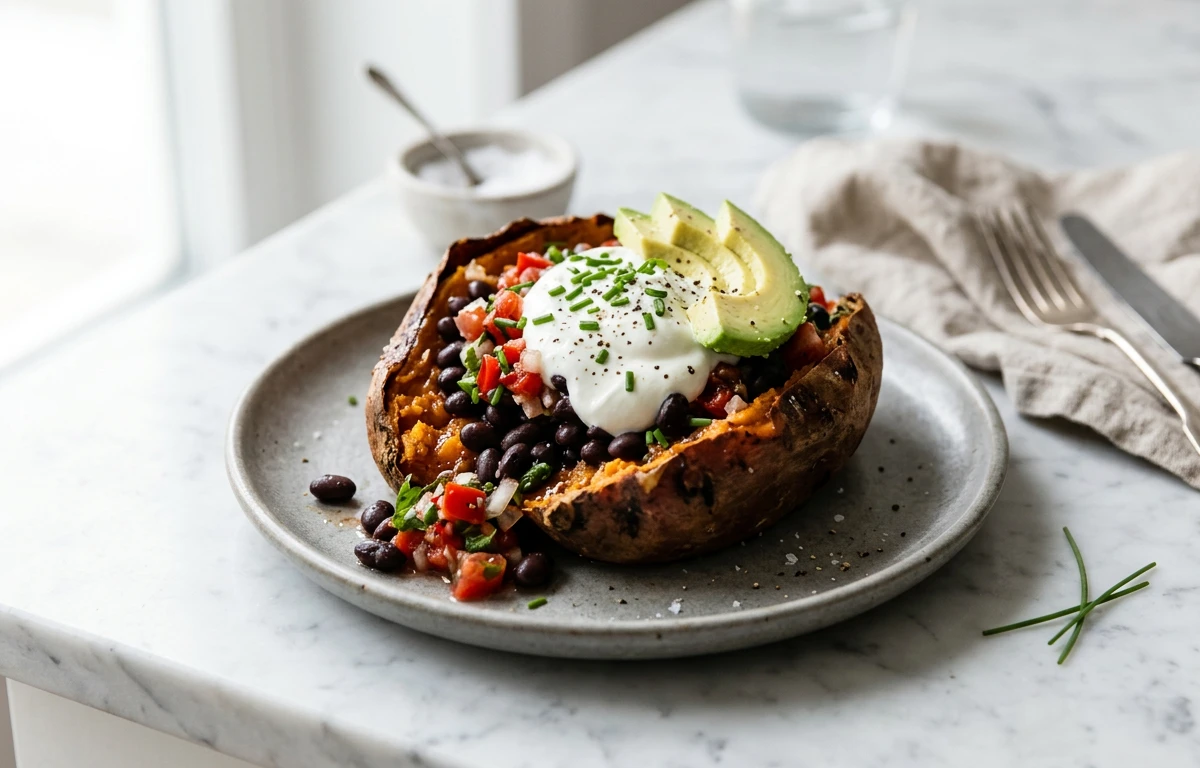
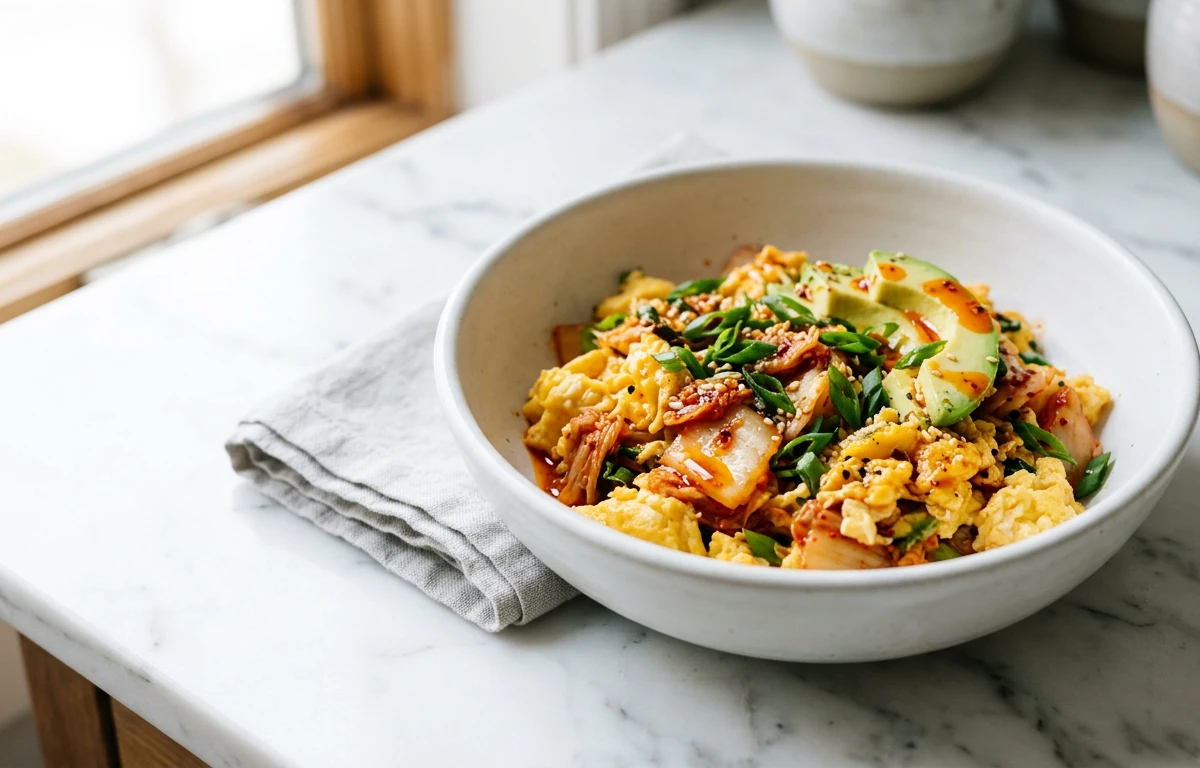
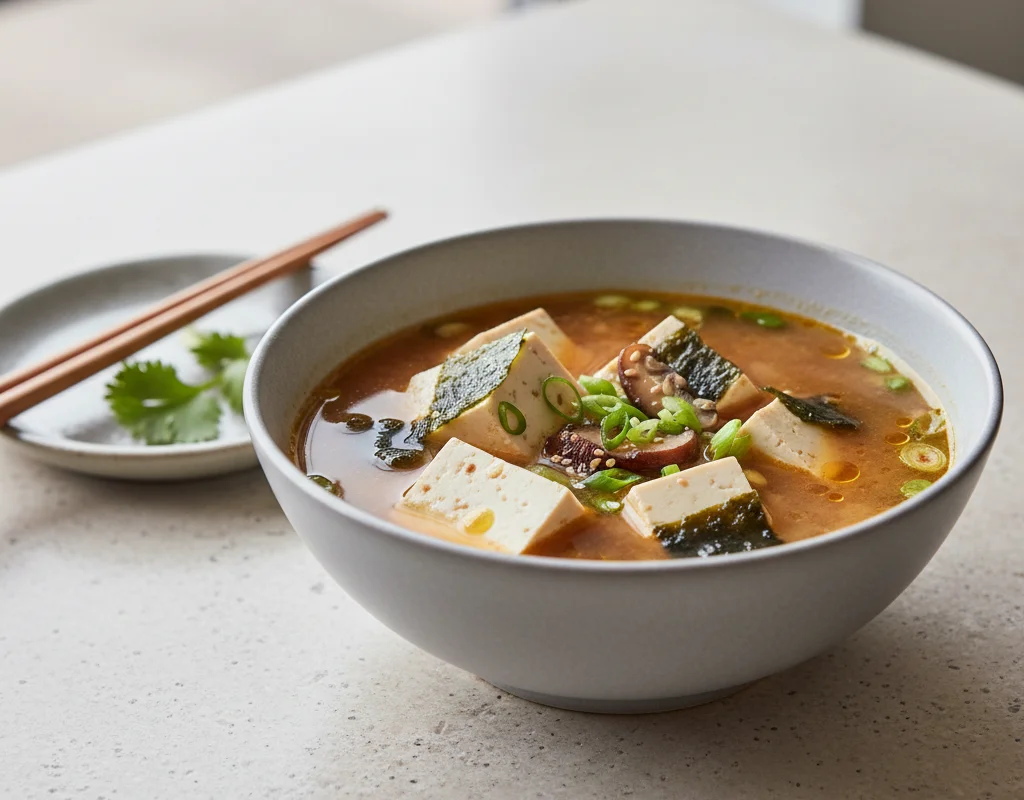
10 recipes · sorted by what’s quick