Loading...
Also known as:
Per 100g
Nutrition data source: USDA FoodData Central
Common measurement equivalents in grams
Yes, ground coffee, when brewed and consumed in moderation, offers several health benefits. It's rich in antioxidants that protect cells from damage, and its caffeine content can boost alertness, energy levels, and cognitive function. Studies also link regular coffee consumption to a lower risk of type 2 diabetes and certain liver diseases.
The provided nutritional data for 100g of dry ground coffee states approximately 380 calories, 12.5g protein, 65g carbs, and 13g fat. However, when brewed, coffee contributes negligible calories, protein, and carbohydrates to your diet, as most of these components remain in the grounds.
Black coffee can be beneficial for weight loss due to its very low-calorie content and the metabolism-boosting effects of caffeine. Caffeine can also help suppress appetite and enhance physical performance, potentially aiding in calorie expenditure. However, adding sugar, cream, or flavored syrups can significantly increase calorie intake.
Yes, pure ground coffee is naturally both vegan and gluten-free. It is derived solely from coffee beans. However, always check labels for flavored coffees or coffee blends, as some may contain added ingredients that are not vegan or gluten-free.
For most diabetics, black coffee in moderation is generally safe and may even offer some protective benefits against type 2 diabetes. However, it's crucial to avoid adding sugar, sugary syrups, or excessive cream, as these can significantly impact blood sugar levels. Monitor your individual response to caffeine.
Ground coffee can be brewed using various methods, including drip coffee makers, French presses, pour-over cones, and espresso machines. Each method requires specific grind sizes and brewing times to extract optimal flavor. Generally, you combine hot water with the grounds, allow it to steep, and then separate the liquid coffee.
ground coffee is a versatile ingredient found in cuisines around the world. With 380 calories per 100g and 12.5 grams of protein, it's a nutritious addition to many dishes.
Explore more ingredients in the beverage ingredient category with complete nutrition information.
View all beverage ingredient →Discover 1 recipes featuring ground coffee with step-by-step instructions.
Browse recipes →Explore more ingredients similar to ground coffee.
The most-searched ingredients on CraftMyMeals.
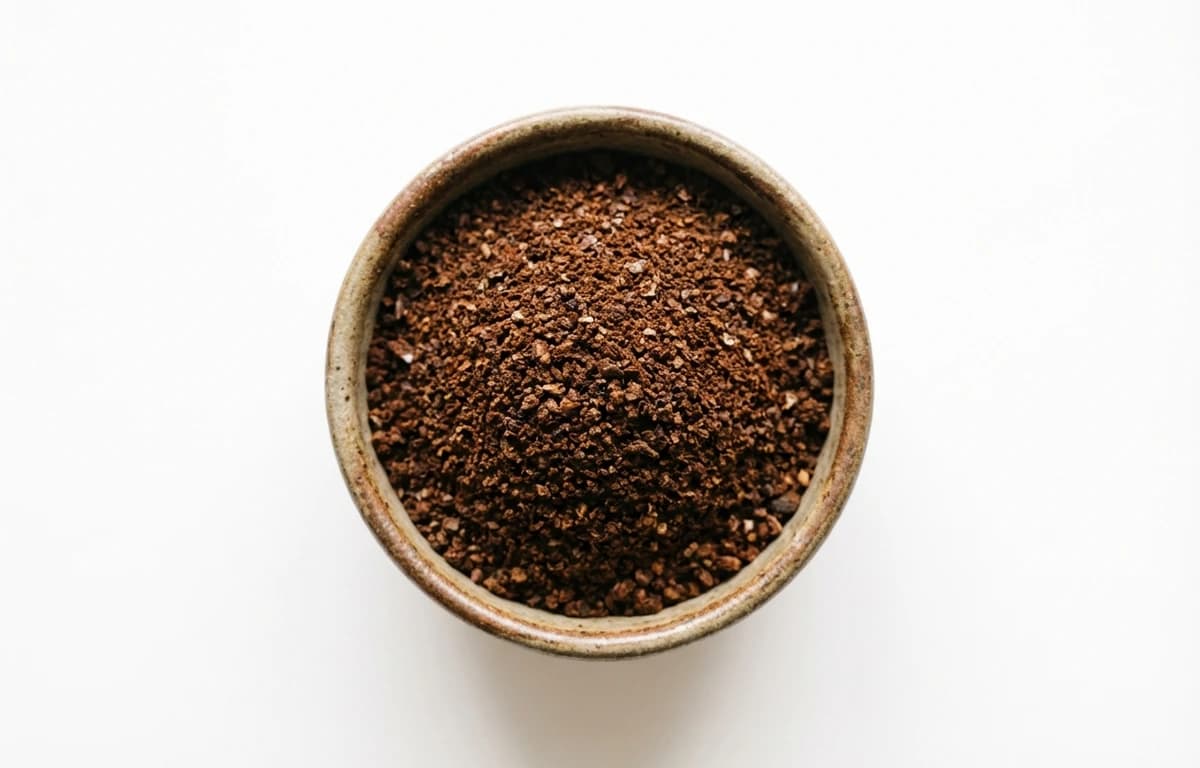
The taste of ground coffee varies widely depending on the bean origin, roast level, and brewing method. Common flavor notes include nutty, chocolatey, fruity, floral, earthy, or smoky. It typically has a characteristic bitterness, often balanced by acidity and sweetness, contributing to its complex and aromatic profile.
To maintain freshness, store ground coffee in an opaque, airtight container in a cool, dark place, away from direct sunlight and heat. Avoid storing it in the refrigerator or freezer for daily use, as condensation can introduce moisture and degrade flavor. Only freeze if storing for extended periods in a vacuum-sealed bag.
Ground coffee is best consumed within 1-2 weeks after opening for optimal freshness and flavor. While it won't spoil in a way that makes it unsafe to consume for several months if stored properly, its aromatic compounds degrade over time, leading to a stale and less flavorful brew. Unopened, it can last for several months past its best-by date.
While technically edible, eating ground coffee directly is not recommended. It has a very bitter, gritty taste and can deliver a high dose of caffeine quickly, potentially causing jitters, upset stomach, or other adverse effects. It's best consumed brewed, where the beneficial compounds are extracted into a palatable beverage.