meat1 recipes
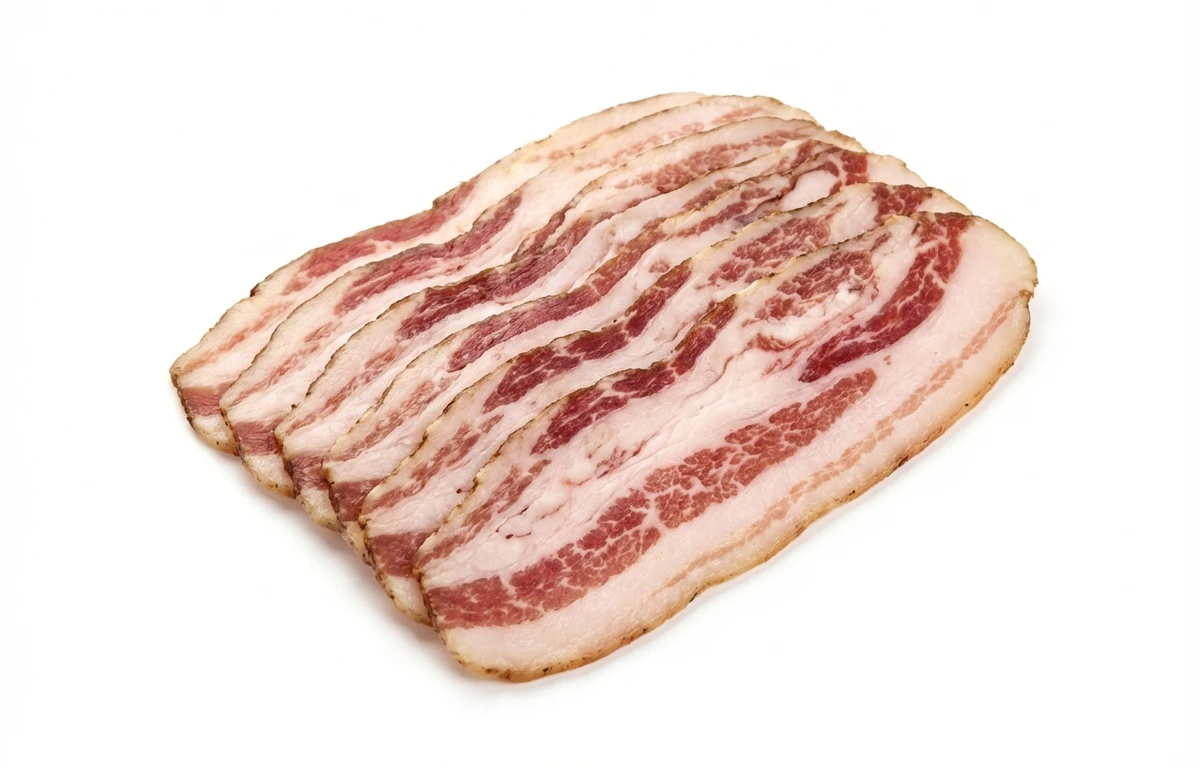
Guanciale.
VegetarianVeganGluten-freeDairy-freeNut-freePeanut-freeSoy-freeEgg-freeShellfish-freeHoney-freeAlcohol-freeFermented
SERVING
CALORIES
650
PROTEIN
12.5g
CARBS
0.50g
FAT
68g
FIBER
0g
NUTRITION PROFILE · per 100 g
Everything in this ingredient.
MACRONUTRIENTS
Calories650kcal—
Protein12.5g25%
Carbohydrates0.50g0%
Fiber0g0%
Sugar0g0%
Total fat68g87%
Saturated fat26g130%
Trans fat0g—
Cholesterol95mg32%
Water15g—
MINERALS
Sodium1800mg78%
Potassium150mg3%
Calcium5.0mg0%
Iron0.80mg4%
Magnesium10mg2%
Phosphorus100mg8%
Zinc1.5mg14%
Copper0.05mg6%
Manganese0.01mg0%
Selenium20µg36%
VITAMINS
Vitamin E0.20mg1%
Thiamin (B1)0.40mg33%
Riboflavin (B2)0.20mg15%
Niacin (B3)3.0mg19%
Pantothenic acid (B5)0.50mg10%
Vitamin B60.20mg12%
Folate (B9)5.0µg1%
Vitamin B120.50µg21%
%DV based on a 2,000 cal diet. Source: USDA FoodData Central. A dash in the %DV column means there’s no established Daily Value for that nutrient.
MEASUREMENT CONVERSIONS
How much is what.
1 oz28.4g
1 lb453.6g
HEALTH BENEFITS
Why eat it.
- ✓Good source of protein
- ✓Provides essential B vitamins (B1, B2, B3, B12)
- ✓Rich in healthy fats (when consumed in moderation)
- ✓Adds depth of flavor to dishes
- ✓Source of minerals like selenium and zinc
COOKING TIPS
In the kitchen.
- 1Render slowly over low heat to release its fat and achieve crispy bits.
- 2Use the rendered fat to sauté other ingredients, adding rich flavor.
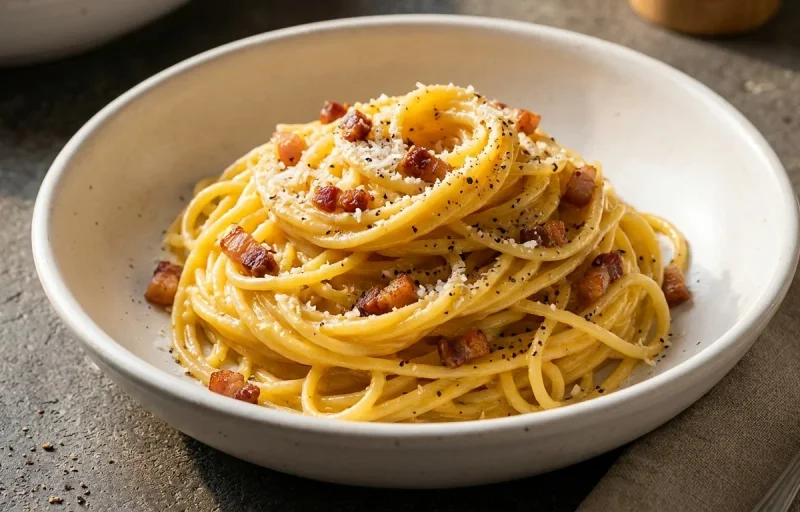
- 3Essential for classic Italian pasta dishes like Carbonara and Amatriciana.
STORAGE
Keep it fresh.
- Store whole guanciale in a cool, dry place, ideally hanging, for several months.
- Once cut, wrap tightly in plastic wrap or butcher paper and refrigerate for up to 3-4 weeks.
- For longer storage, guanciale can be frozen, wrapped well, for up to 3 months.
FAQ
Frequently asked questions.
Is guanciale healthy?
Guanciale is a nutrient-dense cured meat that provides essential B vitamins (B1, B2, B3, B12) and minerals like selenium and zinc. However, it is very high in calories and saturated fat, so it should be consumed in moderation as a flavor enhancer rather than a primary protein source.
How much protein and fat are in guanciale?
Guanciale is high in fat and moderate in protein. A 100g serving contains approximately 650 calories, 68g of fat, and 12.5g of protein, with negligible carbohydrates.
Is guanciale keto-friendly?
Yes, guanciale is very keto-friendly. With 68g of fat and only 0.5g of carbohydrates per 100g, it fits perfectly into a high-fat, low-carb ketogenic lifestyle.
What does guanciale taste like?
Guanciale has an intense, savory pork flavor with a rich, buttery texture that melts when cooked. It is typically cured with salt, pepper, and sometimes herbs like rosemary or garlic, giving it a more complex profile than standard bacon.
How do you cook guanciale?
The best way to cook guanciale is to cut it into small cubes or strips and sauté it over medium-low heat. This allows the fat to render out slowly, leaving you with crispy meat bits and a flavorful liquid fat that serves as a base for sauces.
Can I substitute guanciale with bacon or pancetta?
Yes, pancetta is the closest substitute as it is also cured but not smoked. Bacon can be used in a pinch, but its smoky flavor will significantly change the profile of traditional dishes like Carbonara or Amatriciana.
Is guanciale gluten-free?
Naturally, guanciale is gluten-free as it consists of pork jowl and spices. However, always check the packaging for cross-contamination warnings or additives if you have a severe gluten allergy.
How should I store guanciale and how long does it last?
Store guanciale in the refrigerator wrapped tightly in parchment paper or plastic wrap. Because it is a cured product, a whole piece can last for several months, while sliced guanciale should be used within 1 to 2 weeks for the best quality.
Is guanciale halal or kosher?
No, guanciale is not halal or kosher. It is made specifically from the jowl (cheek) of a pig, which is a prohibited meat in both Islamic and Jewish dietary laws.
Do I need to remove the skin or rind before cooking guanciale?
Yes, the outer skin or rind of guanciale is usually quite tough and salty. It is best to slice it off before cutting the meat into pieces, though you can save the rind to flavor soups or stews similarly to a parmesan rind.
RECIPES
Cook with guanciale.
1 recipes · sorted by what’s quick
SAME CATEGORY
Other meat.
black bear meat
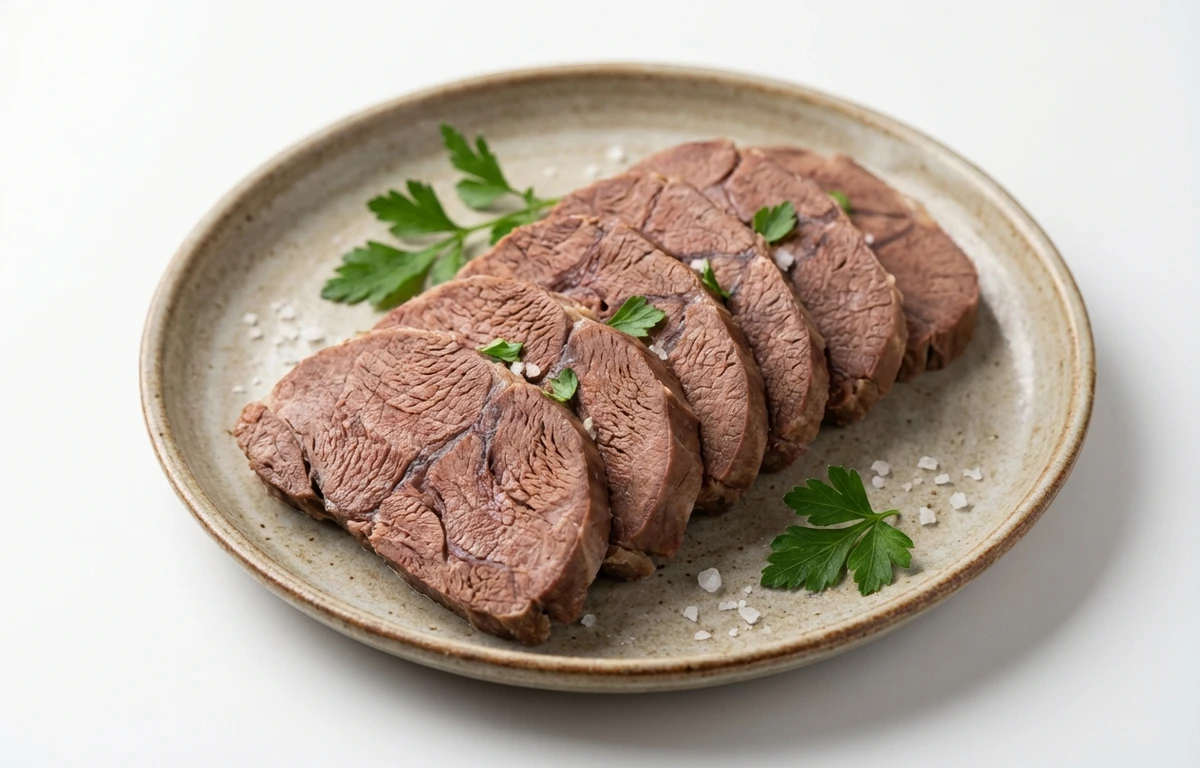
boiled beef heart
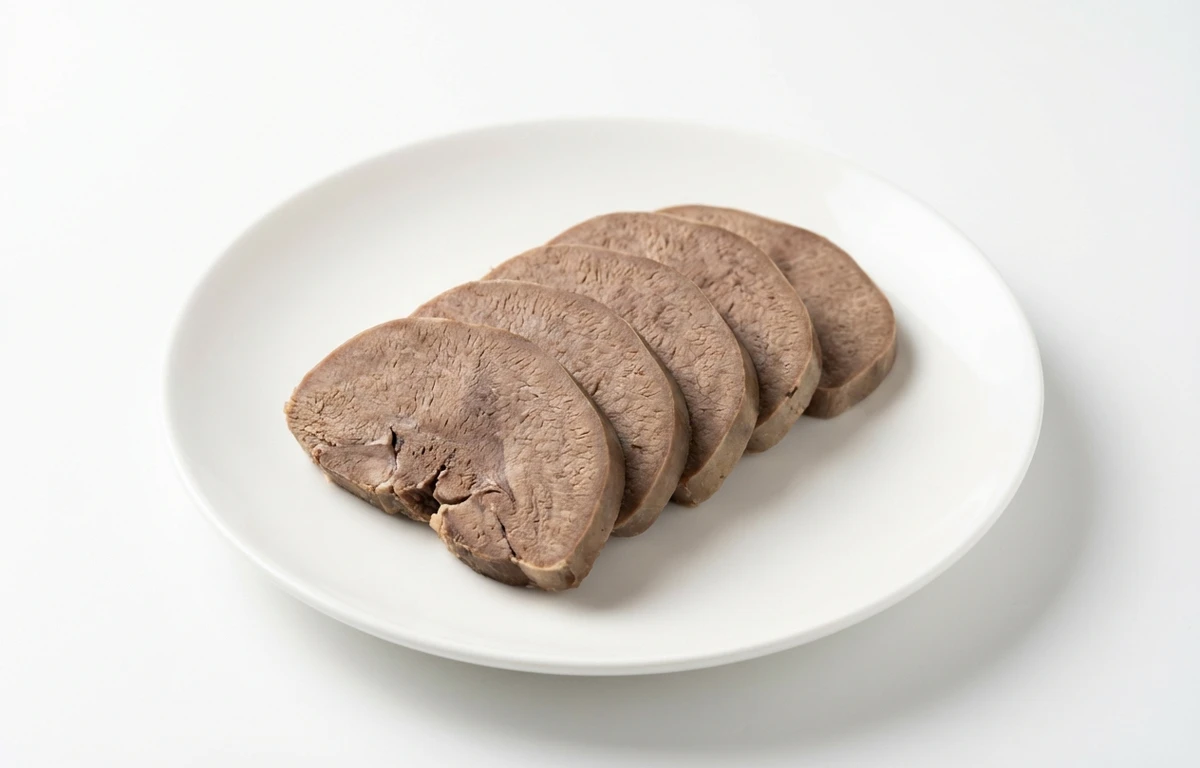
boiled beef kidney
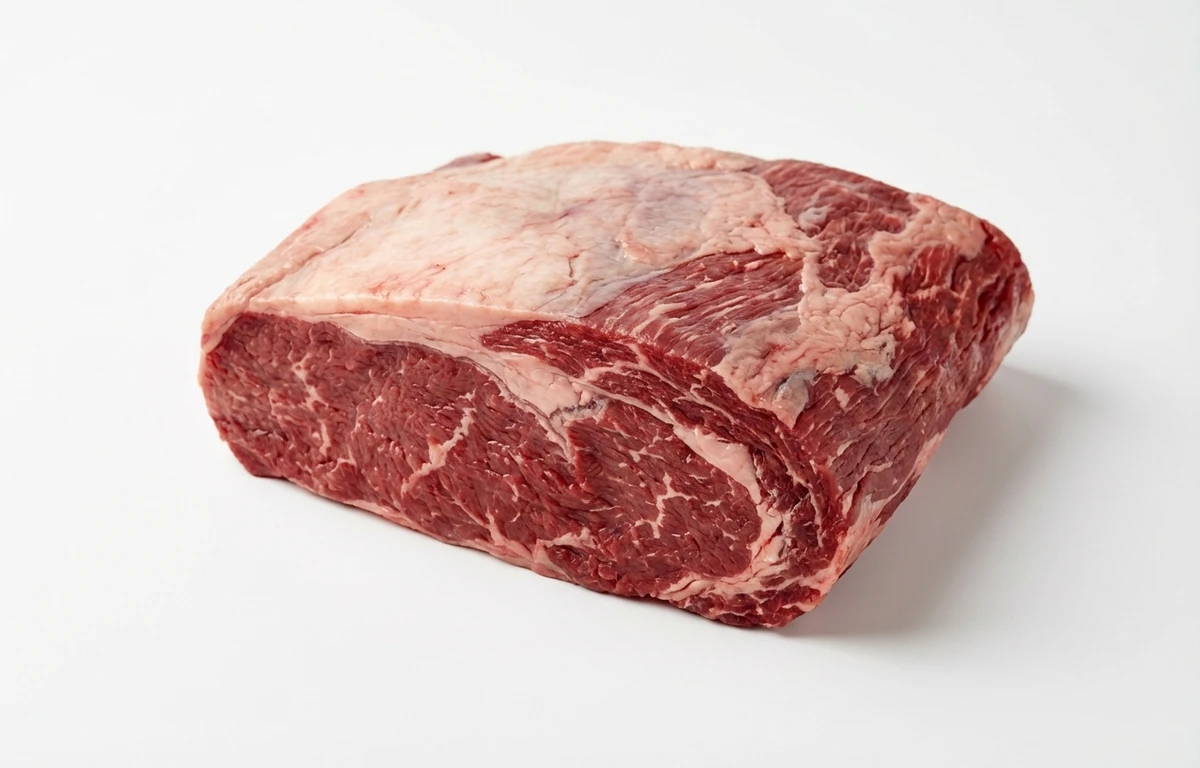
braised beef brisket navel end lean
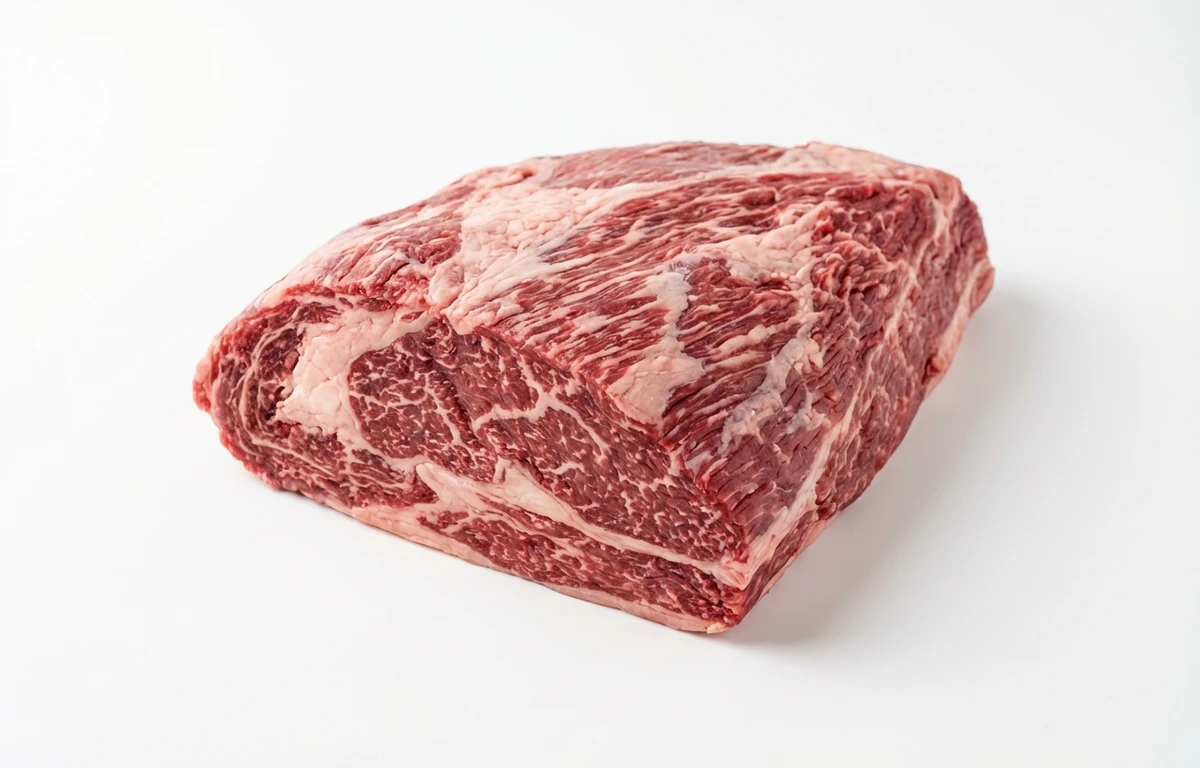
braised beef brisket point end lean
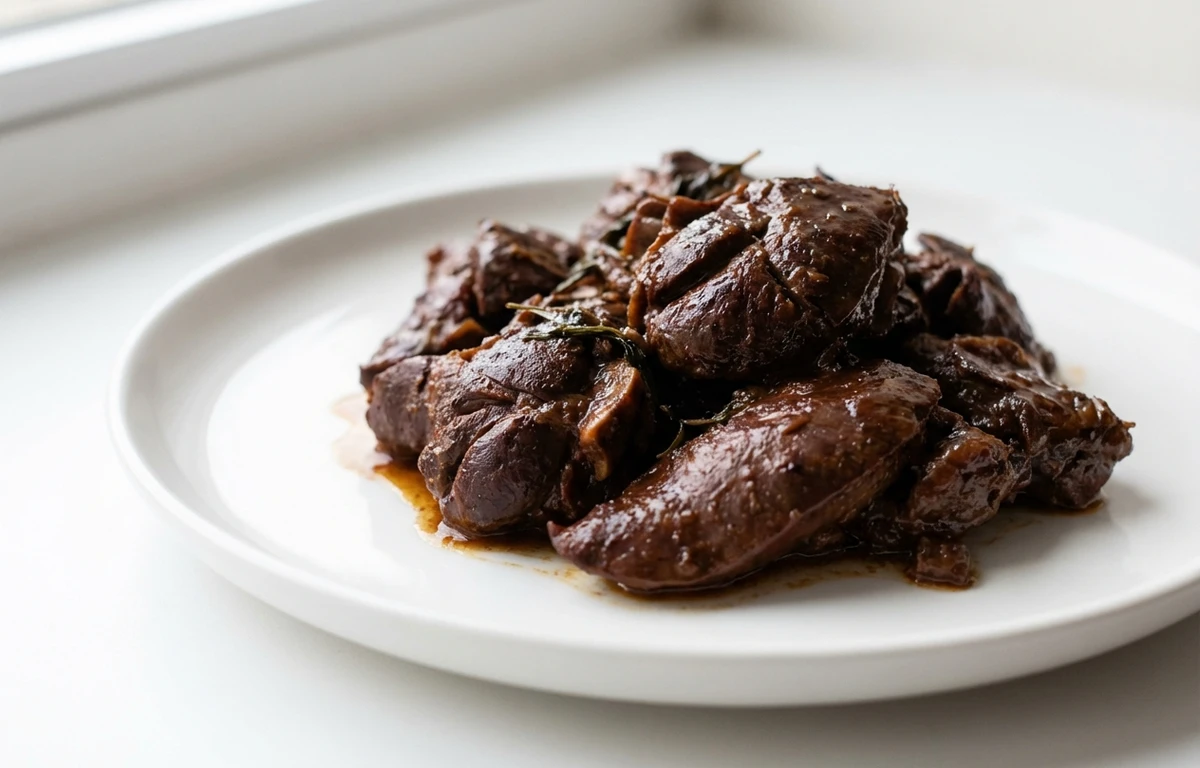
braised cooked lamb lungs
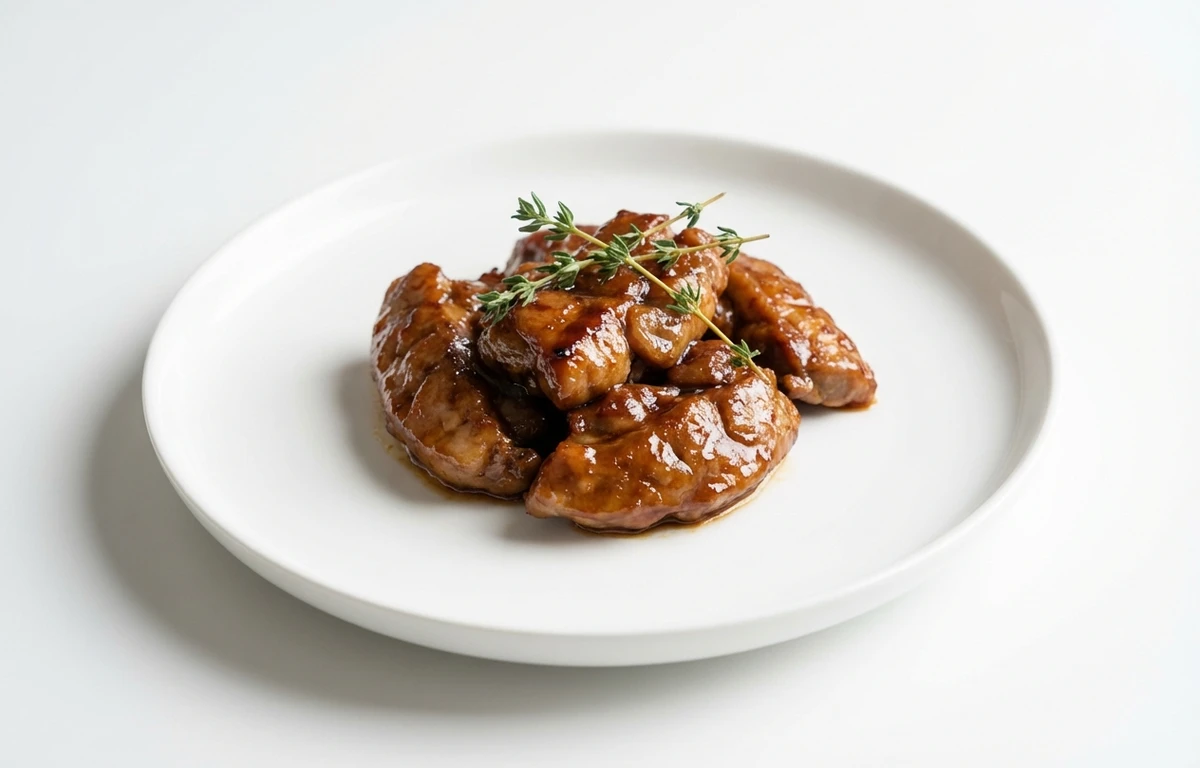
braised cooked lamb pancreas
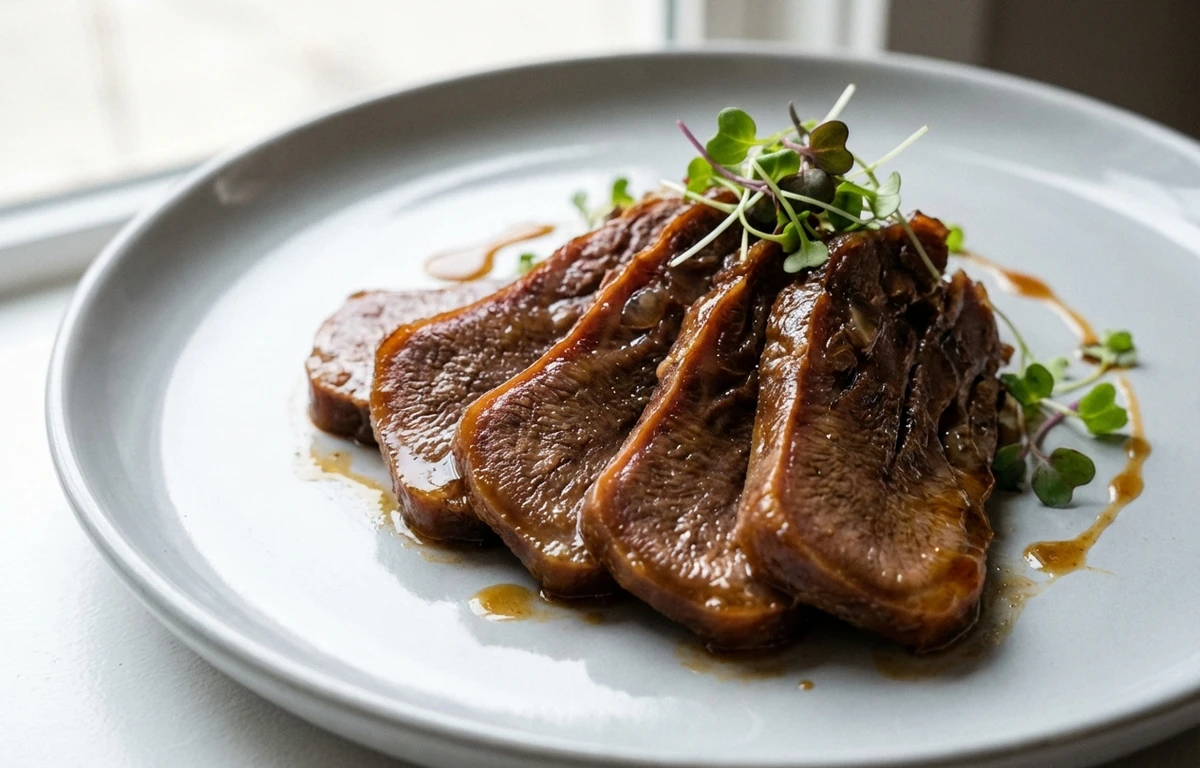
braised cooked lamb tongue
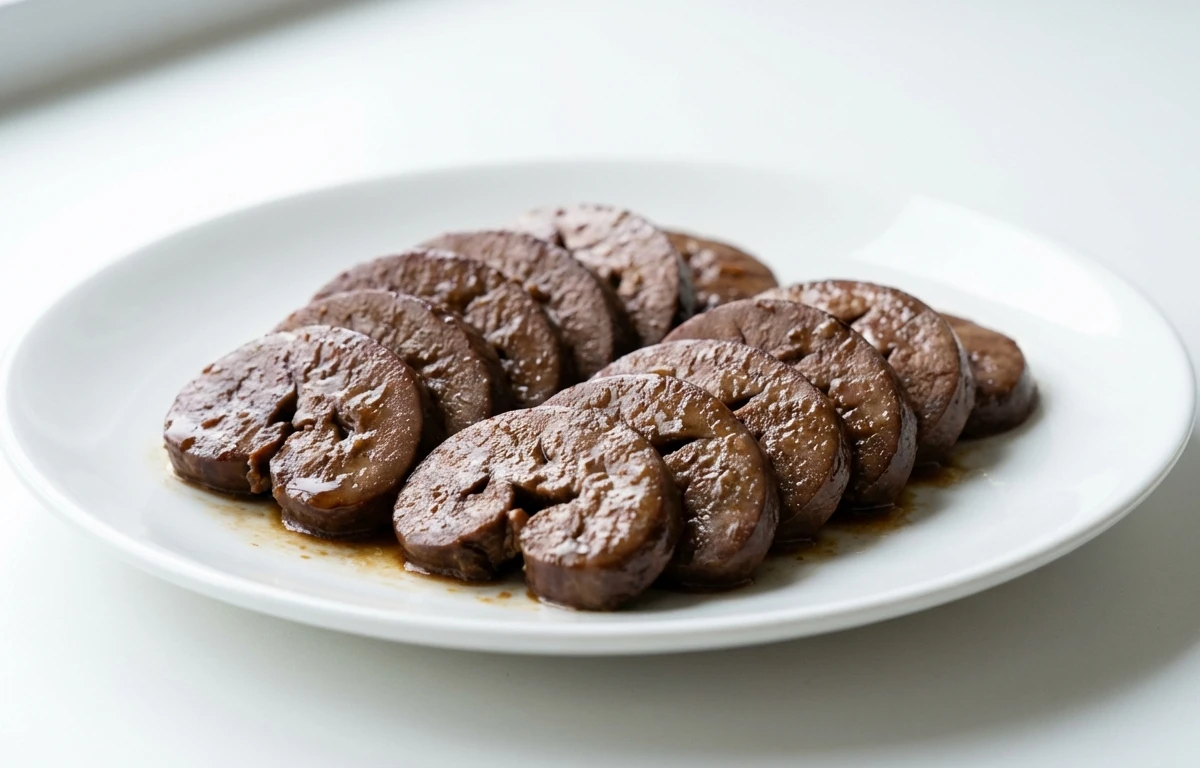
braised cooked pork kidneys
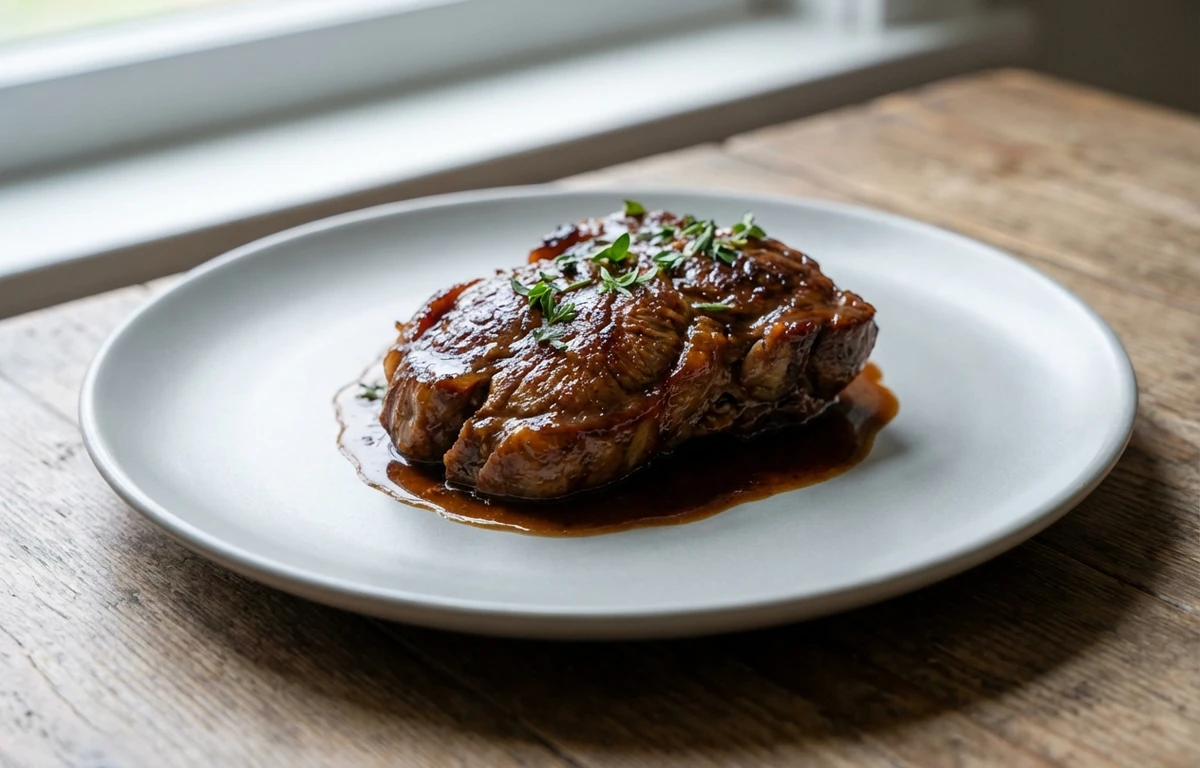
braised cooked veal thymus
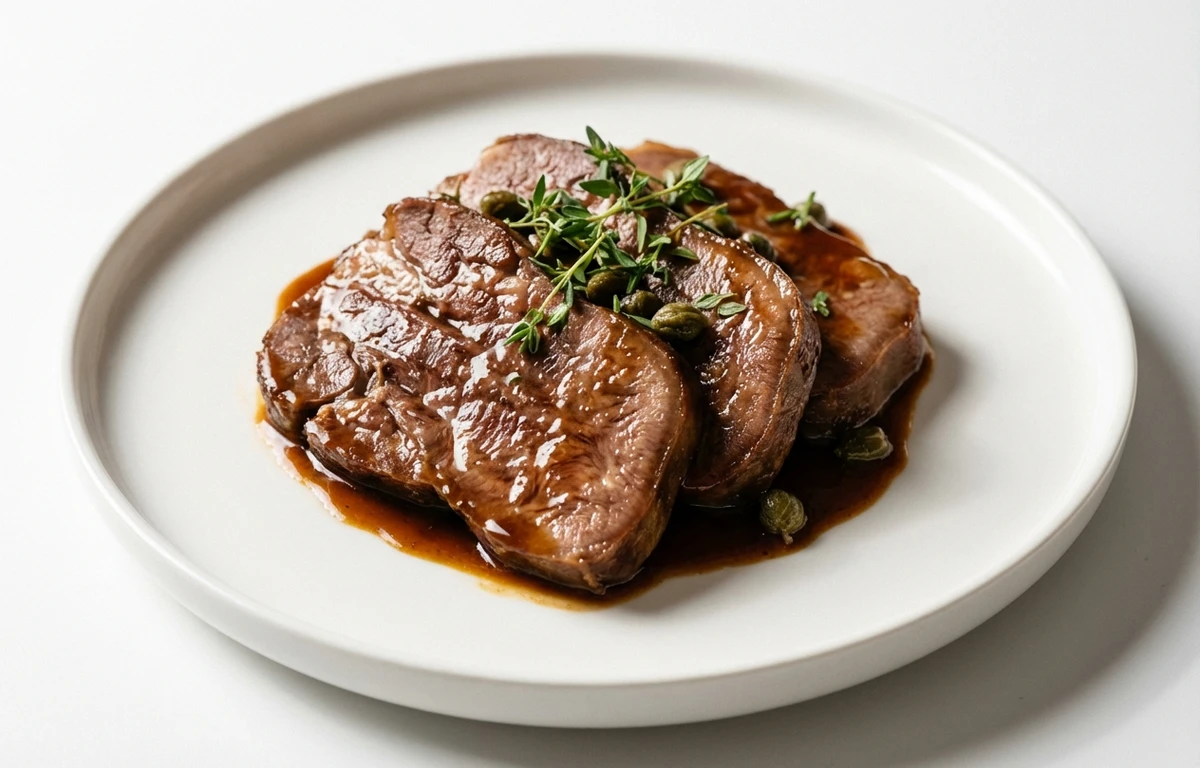
braised cooked veal tongue
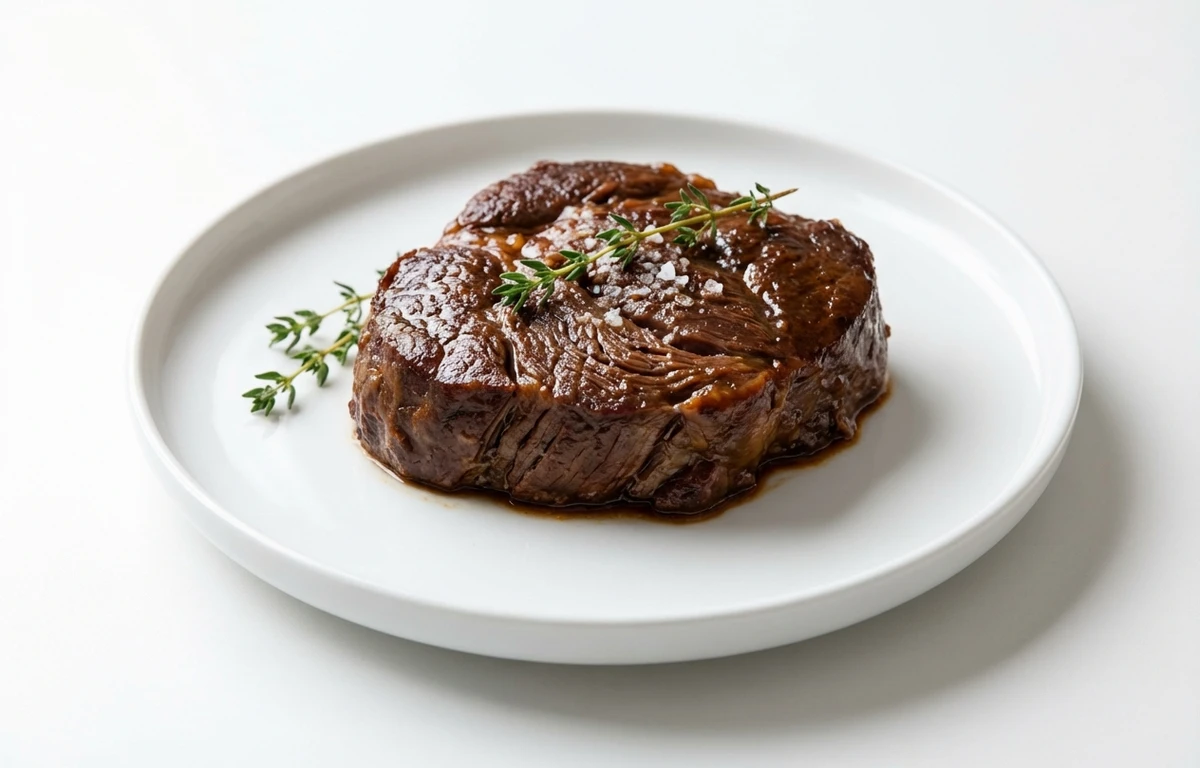
braised select bottom round beef steak