Other
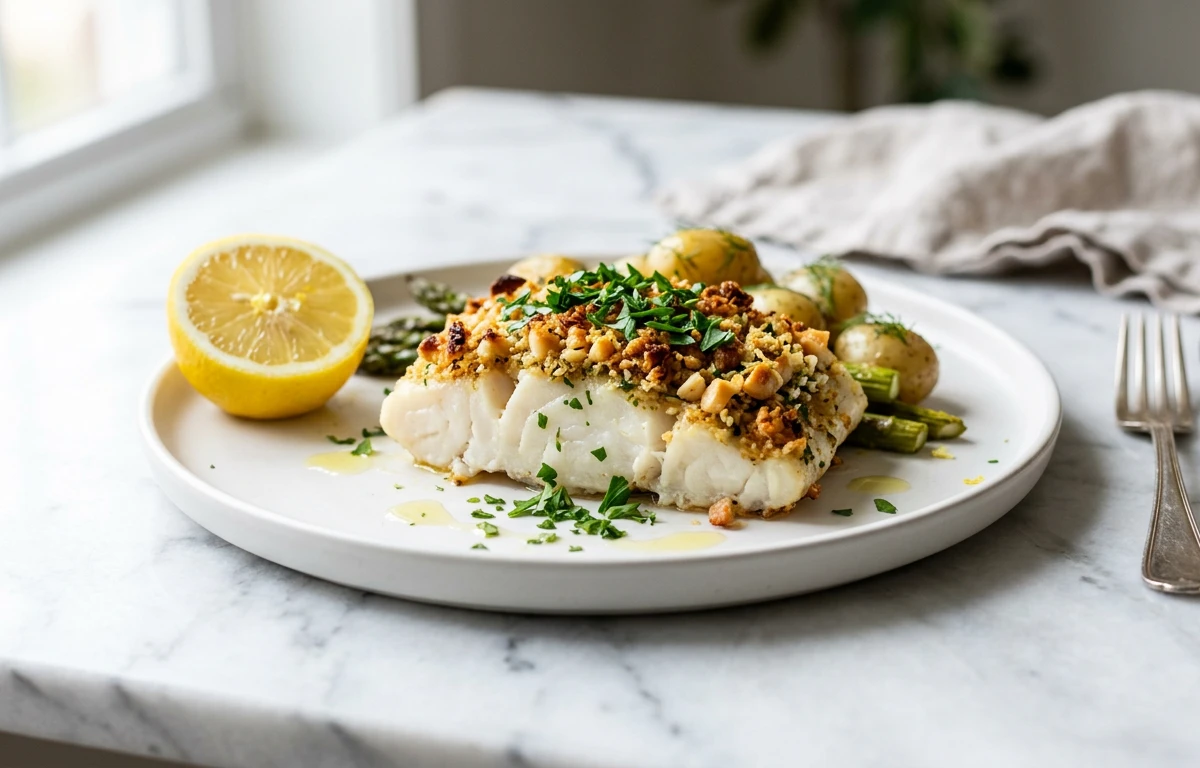
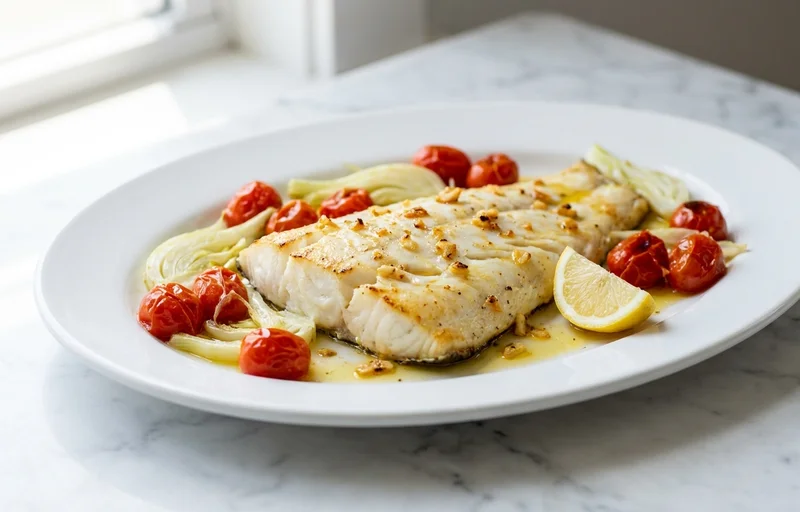
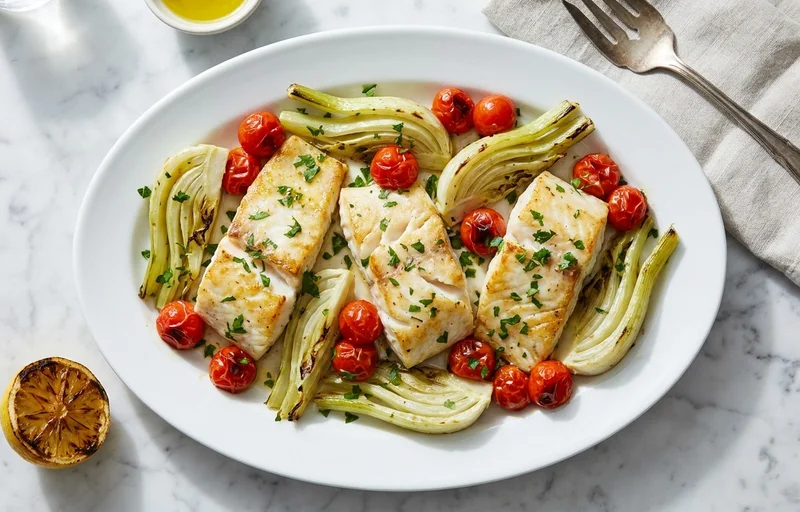
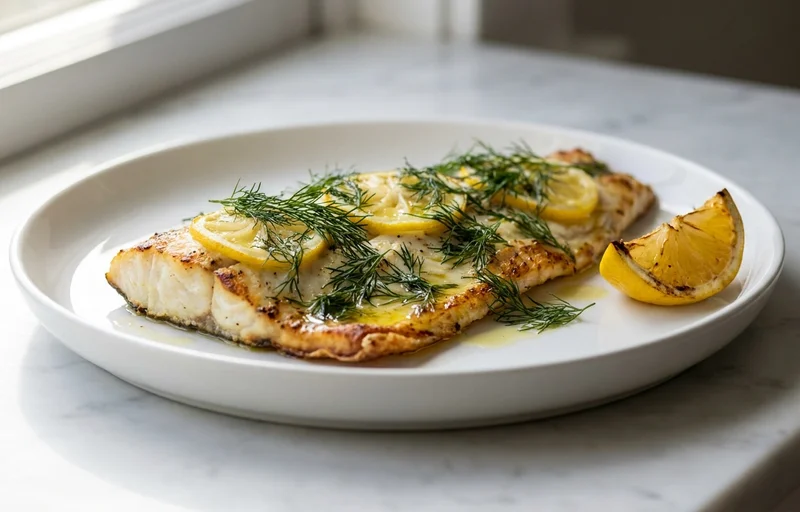
halibut.
VegetarianVeganGluten-freeDairy-freeNut-freePeanut-freeSoy-freeEgg-freeShellfish-freeHoney-freeAlcohol-free
SERVING
CALORIES
91
PROTEIN
18.6g
CARBS
0g
FAT
1.3g
FIBER
0g
This ingredient is flagged as naturally gluten-free. Per 100 g, it provides 0 µg of vitamin K.
NUTRITION PROFILE · per 100 g
Everything in this ingredient.
MACRONUTRIENTS
Calories91kcal—
Protein18.6g37%
Carbohydrates0g0%
Fiber0g0%
Sugar0g0%
Total fat1.3g2%
Saturated fat0.29g1%
Cholesterol49mg16%
Water80.3g—
MINERALS
Sodium68mg3%
Potassium435mg9%
Calcium7.0mg1%
Iron0.16mg1%
Magnesium23mg5%
Phosphorus236mg19%
Zinc0.36mg3%
Copper0.02mg2%
Manganese0.01mg0%
Selenium45.6µg83%
VITAMINS
Vitamin A20µg2%
Vitamin C0mg0%
Vitamin D4.7µg24%
Vitamin E0.61mg4%
Vitamin K0µg0%
Thiamin (B1)0.05mg4%
Riboflavin (B2)0.03mg2%
Niacin (B3)6.5mg41%
Pantothenic acid (B5)0.34mg7%
Vitamin B60.55mg32%
Folate (B9)12µg3%
Vitamin B121.1µg46%
%DV based on a 2,000 cal diet. Source: USDA FoodData Central. A dash in the %DV column means there’s no established Daily Value for that nutrient.
MEASUREMENT CONVERSIONS
How much is what.
1 cup140g
1 tablespoon8.8g
1 teaspoon2.9g
1 oz28.4g
1 lb453.6g
1 ml0.6g
1 liter583.3g
1 piece170g
HEALTH BENEFITS
Why eat it.
- ✓Excellent source of high-quality, complete protein, essential for muscle repair, growth, and overall body function.
- ✓Provides significant amounts of B vitamins, particularly niacin (B3), vitamin B6, and vitamin B12, which are vital for energy metabolism and nervous system health.
COOKING TIPS
In the kitchen.
- 1Halibut is a lean fish, so be careful not to overcook it as it can become dry. Cook until the internal temperature reaches 145°F (63°C) and the flesh is opaque and flakes easily.
- 2Its firm texture holds up well to various cooking methods like grilling, baking, pan-searing, and broiling.
- 3The mild, sweet flavor of halibut pairs well with robust seasonings such as lemon, garlic, dill, capers, and white wine sauces.
- 4When pan-searing, get the pan very hot with a bit of oil to create a beautiful crust, then reduce the heat to finish cooking through without burning.
STORAGE
Keep it fresh.
- Store fresh halibut in the coldest part of your refrigerator (below 40°F or 4°C) and consume within 1-2 days of purchase.
- For longer storage, wrap halibut tightly in plastic wrap and then foil or place in a freezer bag, and freeze at 0°F (-18°C) or below for up to 6 months.
- Thaw frozen halibut overnight in the refrigerator. Avoid thawing at room temperature to prevent bacterial growth.
FAQ
Frequently asked questions.
How much protein and calories are in halibut?
A 100g serving of halibut contains approximately 91 calories and 18.56g of protein. It's also very low in carbohydrates (0g) and fat (1.33g), making it a lean and nutritious protein choice.
Is halibut keto-friendly?
Absolutely, halibut is an excellent choice for a ketogenic diet. It contains 0g of carbohydrates and is rich in protein and healthy fats (omega-3s), fitting perfectly into low-carb, high-fat dietary plans.
What does halibut taste like and how should I cook it?
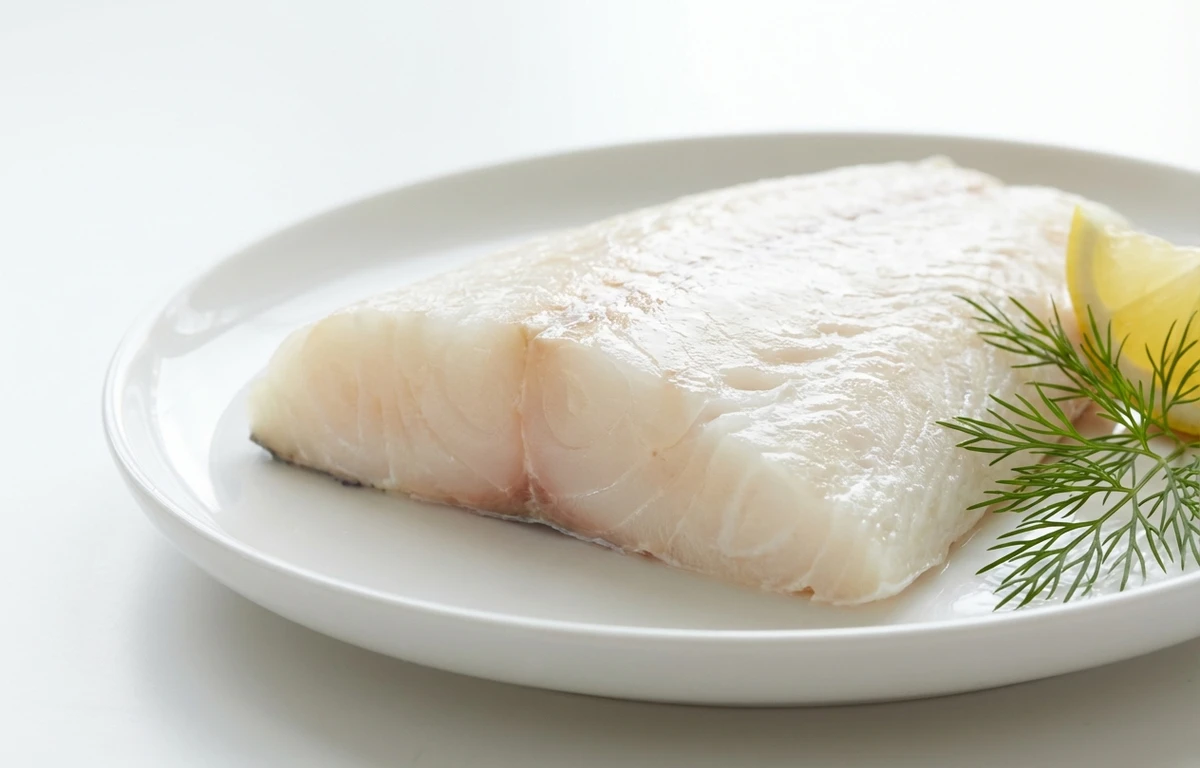
Halibut has a mild, sweet flavor with a firm, flaky white flesh. It's versatile and can be baked, grilled, pan-seared, or broiled. Avoid overcooking to maintain its delicate texture and moisture.
Can I eat halibut raw?
While some fish can be eaten raw (like sushi-grade tuna or salmon), it's generally not recommended to eat halibut raw unless it has been specifically prepared and certified as sushi-grade. For most preparations, cooking halibut is safer and more common.
How do I know if halibut is fresh?
Look for halibut with firm, translucent, moist flesh and a clean, mild ocean smell, not a strong 'fishy' odor. The skin, if present, should be shiny. Avoid fish that looks dull, discolored, or has a strong ammonia smell.
Does halibut contain mercury?
Halibut is a large, long-lived fish, so it can contain moderate levels of mercury. While it's a healthy choice, pregnant women, nursing mothers, and young children should consume it in moderation, typically 1-2 servings per week, as advised by health organizations.
RECIPES
Cook with halibut.
0 recipes · sorted by what’s quick