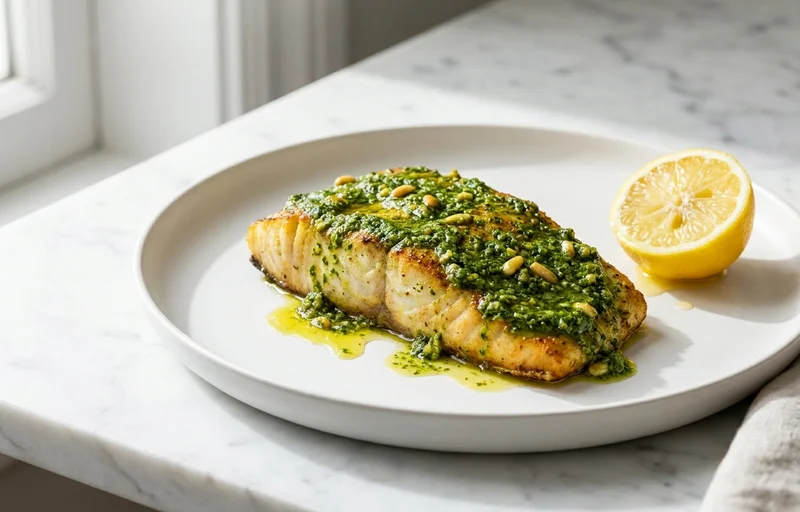
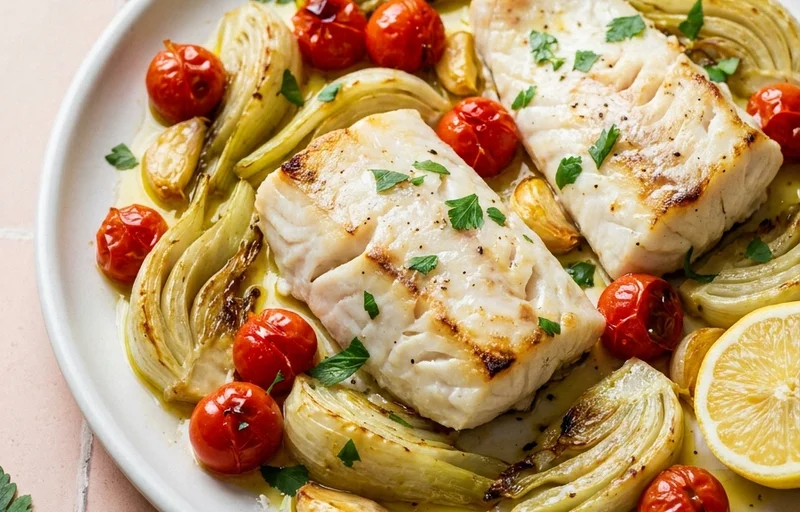
Other10 recipes
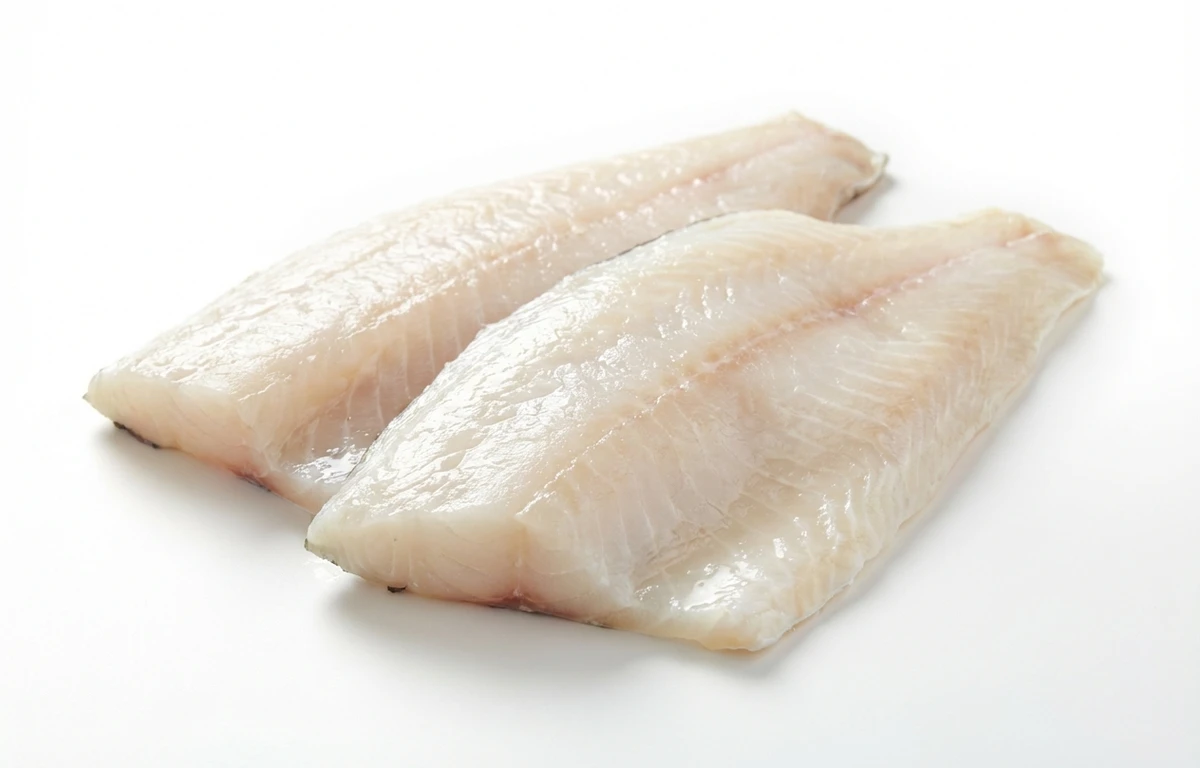
halibut fillets.
VegetarianVeganGluten-freeDairy-freeNut-freePeanut-freeSoy-freeEgg-freeShellfish-freeHoney-freeAlcohol-free
SERVING
CALORIES
110
PROTEIN
22.5g
CARBS
0g
FAT
2.3g
FIBER
0g
This ingredient is flagged as naturally gluten-free. Per 100 g, it provides 0.10 µg of vitamin K.
NUTRITION PROFILE · per 100 g
Everything in this ingredient.
MACRONUTRIENTS
Calories110kcal—
Protein22.5g45%
Carbohydrates0g0%
Fiber0g0%
Sugar0g0%
Total fat2.3g3%
Saturated fat0.40g2%
Trans fat0g—
Cholesterol32mg11%
Water75g—
MINERALS
Sodium54mg2%
Potassium435mg9%
Calcium7.0mg1%
Iron0.20mg1%
Magnesium23mg5%
Phosphorus236mg19%
Zinc0.40mg4%
Copper0.03mg3%
Manganese0.01mg0%
Selenium36.5µg66%
VITAMINS
Vitamin A20µg2%
Vitamin C0mg0%
Vitamin D4.1µg21%
Vitamin E0.60mg4%
Vitamin K0.10µg0%
Thiamin (B1)0.05mg4%
Riboflavin (B2)0.04mg3%
Niacin (B3)6.5mg41%
Pantothenic acid (B5)0.35mg7%
Vitamin B60.55mg32%
Folate (B9)12µg3%
Vitamin B121.1µg46%
%DV based on a 2,000 cal diet. Source: USDA FoodData Central. A dash in the %DV column means there’s no established Daily Value for that nutrient.
MEASUREMENT CONVERSIONS
How much is what.
1 oz28.4g
1 lb453.6g
1 piece170g
HEALTH BENEFITS
Why eat it.
- ✓High-quality lean protein source for muscle maintenance
- ✓Rich in Omega-3 fatty acids which support heart health
- ✓Provides Vitamin B12 essential for nerve function
- ✓Contains Magnesium which helps regulate blood pressure
COOKING TIPS
In the kitchen.
- 1Pat the fillets completely dry with paper towels before cooking to ensure a good sear
- 2Avoid overcooking; halibut is lean and becomes dry quickly once it exceeds 145°F (63°C)
- 3Use gentle cooking methods like poaching or steaming to maintain the delicate texture
STORAGE
Keep it fresh.
- Store in the coldest part of the refrigerator for 1-2 days maximum
- Keep fillets in their original packaging or wrap tightly in plastic wrap
- For long-term storage, vacuum seal and freeze for up to 3 months
FAQ
Frequently asked questions.
How can I tell if halibut fillets are fresh?
Fresh halibut should have a clean, mild scent of the ocean, not a 'fishy' smell. The flesh should be translucent white and firm to the touch, not mushy.
What is a good substitute for halibut?
Cod, haddock, turbot, or sea bass are excellent substitutes as they share a similar flaky texture and mild flavor profile.
Can I eat halibut skin?
While edible, halibut skin is very tough and leathery compared to salmon skin, so it is usually removed before or after cooking.
Is halibut high in mercury?
Halibut contains moderate levels of mercury. It is generally recommended to limit consumption to a few servings per month, especially for sensitive groups.
How long does halibut last in the freezer?
When properly vacuum-sealed, halibut can maintain quality for up to 3 months. Beyond that, it may suffer from freezer burn and texture changes.
What is the best way to thaw frozen halibut?
Thaw frozen fillets slowly in the refrigerator overnight. For faster thawing, place the sealed package in a bowl of cold water for 30-60 minutes.
Why is halibut more expensive than other white fish?
Halibut is highly prized for its firm texture and mild flavor, and because it is wild-caught with strict seasonal quotas, the supply is more limited.
Does halibut contain bones?
Fillets are usually deboned, but you should always check for small 'pin bones' by running your finger along the center of the fillet before cooking.
RECIPES
Cook with halibut fillets.
10 recipes · sorted by what’s quick