Loading...
Per 100g
Nutrition data source: USDA FoodData Central
Yes, harive soppu is highly nutritious. It's packed with vitamins A, C, and K, essential minerals like iron and calcium, and significant dietary fiber. It's also low in calories and fat, making it an excellent addition to a healthy diet.
Harive soppu is an excellent source of Vitamin K, crucial for blood clotting and bone health. It also provides significant amounts of iron and calcium for red blood cell formation and bone density, along with vitamins A and C for immunity and skin health. Uniquely, it contains lysine, an essential amino acid often limited in plant-based foods.
Per 100 grams, harive soppu is very low in calories, containing only about 23 calories. It provides a good amount of plant-based protein, with approximately 2.46 grams per 100 grams, along with 4.02 grams of carbohydrates and minimal fat (0.33g).
Yes, harive soppu is a plant-based leafy green vegetable, making it perfectly suitable for both vegan and vegetarian diets. It's a valuable source of nutrients, including protein and iron, for those following plant-based lifestyles.
Yes, as a natural vegetable, harive soppu is naturally gluten-free. While it contains carbohydrates (4.02g per 100g), its low calorie and high fiber content can make it suitable for some low-carb or keto diets when consumed in moderation, depending on individual carb limits.
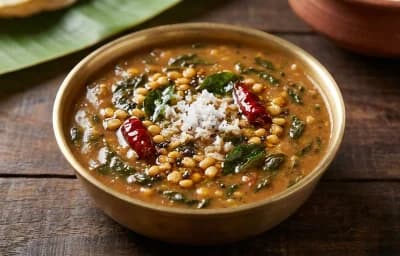
Harive soppu is versatile and commonly used in South Indian cuisine. It can be stir-fried with spices, added to dals (lentil stews), curries, or used in traditional dishes like 'palya' (dry vegetable stir-fry) or 'saaru' (rasam). It cooks relatively quickly, similar to spinach.
harive soppu is a versatile ingredient found in cuisines around the world. With 23 calories per 100g and 2.46 grams of protein, it's a nutritious addition to many dishes.
Explore more ingredients in the vegetable category with complete nutrition information.
View all vegetable →Discover 1 recipes featuring harive soppu with step-by-step instructions.
Browse recipes →While traditionally cooked, young and tender harive soppu leaves can be eaten raw in salads, similar to spinach. However, cooking can help reduce oxalic acid content and make some nutrients more bioavailable.
Harive soppu has a mild, slightly earthy, and subtly sweet flavor, often compared to spinach or chard. It's generally less bitter than some other leafy greens, making it palatable for many dishes.
To keep harive soppu fresh, store it unwashed in a plastic bag or wrapped in a damp paper towel in the crisper drawer of your refrigerator. It typically stays fresh for 3-5 days. Wash thoroughly just before use.
Yes, harive soppu stands out for its significant content of lysine, an essential amino acid often lacking in other plant-based proteins. It's also exceptionally rich in Vitamin K, iron, and calcium, making it a powerhouse for bone health and blood formation.