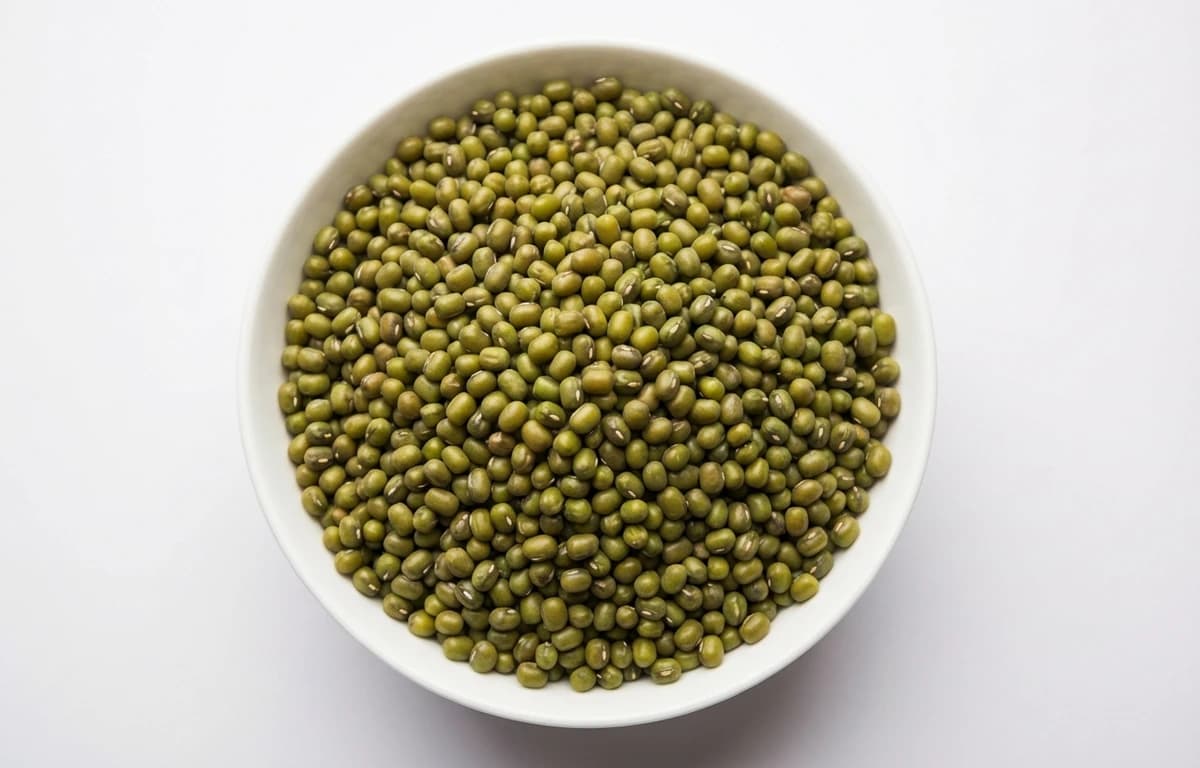
hesaru kalu
Also known as:
Loading...
Also known as:
Per 100g
Nutrition data source: USDA FoodData Central
Yes, hesaru kalu (mung beans) are highly nutritious. They are rich in protein, fiber, folate, and manganese, and contain antioxidants. These nutrients support digestive health, blood sugar regulation, and overall well-being.
Per 100g, hesaru kalu provides 347 calories, 23.86g protein, 62.62g carbs, and 1.15g fat. They are an excellent source of plant-based protein, dietary fiber, and essential micronutrients like folate and manganese, contributing to energy and satiety.
Yes, hesaru kalu can be beneficial for weight management. Its high fiber and protein content promote feelings of fullness and satiety, which can help reduce overall calorie intake and support weight loss efforts.
Yes, hesaru kalu is naturally vegan as it is a plant-based legume. It is also naturally gluten-free, making it a suitable ingredient for individuals following vegan or gluten-free diets.
Yes, hesaru kalu can be a good addition to a diabetic diet in moderation. Its high fiber and protein content help slow down sugar absorption, which can aid in regulating blood sugar levels and preventing spikes.
Hesaru kalu typically requires soaking for a few hours or overnight to reduce cooking time and improve digestibility. After soaking, they can be boiled, pressure cooked, or simmered until tender, usually for 20-30 minutes depending on the desired texture.
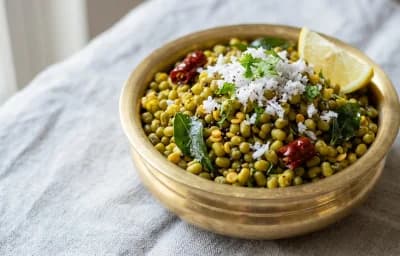
Hesaru kalu has a mild, slightly sweet, and earthy flavor. It's commonly used in Indian cuisine to make dals (lentil soups), curries, salads, sprouts, and even some sweet dishes like payasam.
hesaru kalu is a versatile ingredient found in cuisines around the world. With 347 calories per 100g and 23.86 grams of protein, it's a nutritious addition to many dishes.
Explore more ingredients in the legume category with complete nutrition information.
View all legume →Discover 0 recipes featuring hesaru kalu with step-by-step instructions.
Browse recipes →Dried hesaru kalu should be stored in an airtight container in a cool, dry, and dark place, away from direct sunlight and moisture. Proper storage helps maintain its quality and extends its shelf life for several months.
Yes, hesaru kalu is excellent for sprouting. Sprouting enhances its nutritional value, increasing vitamin content (especially Vitamin C) and making nutrients more bioavailable. Sprouted hesaru kalu is great in salads and stir-fries.
There is no difference; 'hesaru kalu' is the Kannada name for mung beans. They are the same legume, widely used in various cuisines around the world, particularly in Asia, known for their versatility and nutritional benefits.