Condiment8 recipes
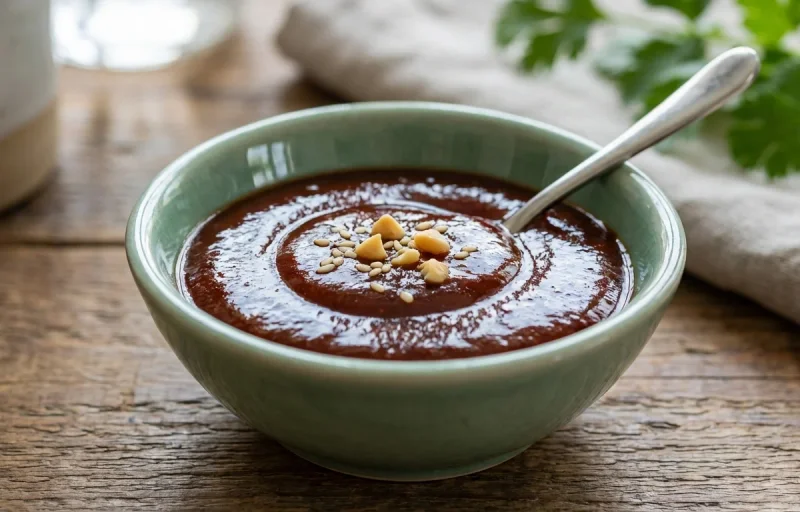
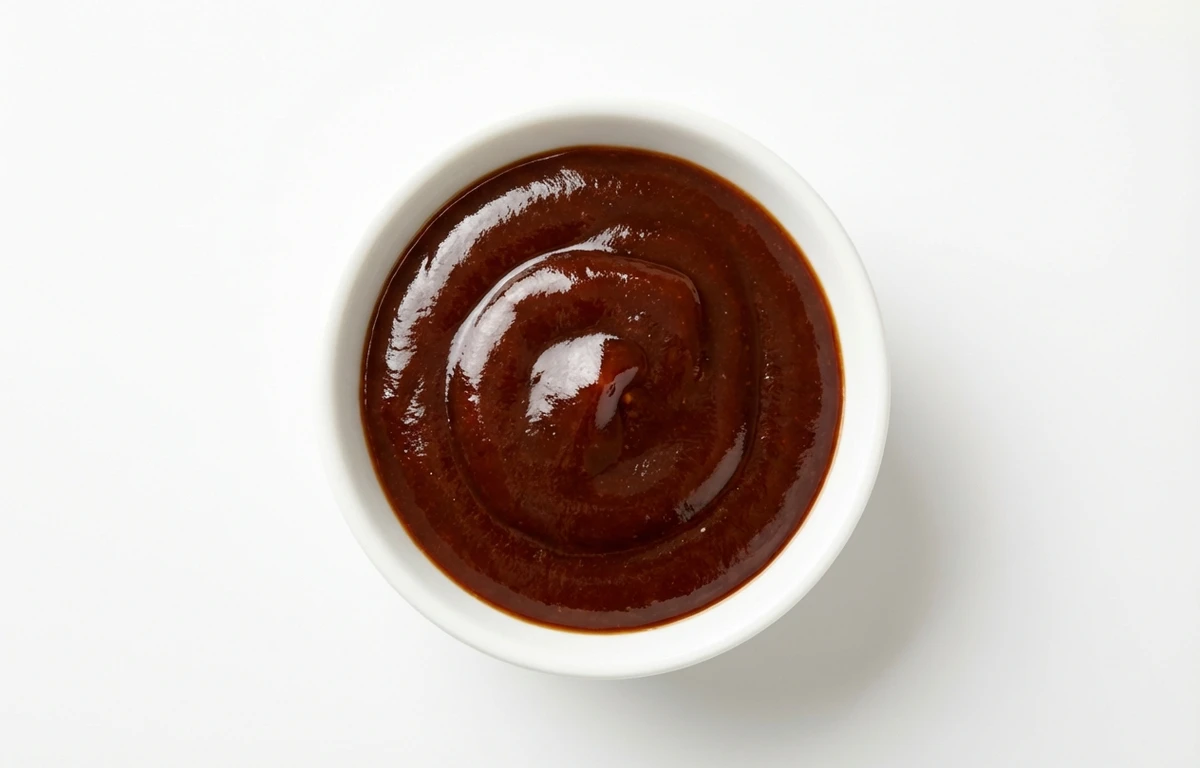
hoisin sauce.
VegetarianVeganGluten-freeDairy-freeNut-freePeanut-freeSoy-freeEgg-freeShellfish-freeHoney-freeAlcohol-freeFermented
ALSO KNOWN AS
haisin saucechinese bbq saucepeking saucehaixian jiang
SERVING
CALORIES
220
PROTEIN
1.5g
CARBS
54g
FAT
1.2g
FIBER
1.0g
NUTRITION PROFILE · per 100 g
Everything in this ingredient.
MACRONUTRIENTS
Calories220kcal—
Protein1.5g3%
Carbohydrates54g20%
Fiber1.0g4%
Sugar42g84%
Total fat1.2g2%
Saturated fat0.20g1%
Trans fat0g—
Cholesterol0mg0%
Water35g—
MINERALS
Sodium2600mg113%
Potassium150mg3%
Calcium40mg3%
Iron1.8mg10%
Magnesium25mg6%
Phosphorus45mg4%
Zinc0.40mg4%
Copper0.10mg11%
Manganese0.20mg9%
Selenium1.2µg2%
VITAMINS
Vitamin A0µg0%
Vitamin C0.50mg1%
Vitamin D0µg0%
Vitamin E0.10mg1%
Vitamin K0.50µg0%
Thiamin (B1)0.02mg2%
Riboflavin (B2)0.03mg2%
Niacin (B3)0.40mg3%
Pantothenic acid (B5)0.10mg2%
Vitamin B60.05mg3%
Folate (B9)5.0µg1%
Vitamin B120µg0%
%DV based on a 2,000 cal diet. Source: USDA FoodData Central. A dash in the %DV column means there’s no established Daily Value for that nutrient.
MEASUREMENT CONVERSIONS
How much is what.
1 cup310g
1 tablespoon18g
1 teaspoon6g
1 oz28.4g
1 lb453.6g
1 ml1.3g
1 liter1300g
HEALTH BENEFITS
Why eat it.
- ✓Contains iron which supports blood health
- ✓Low in total fat compared to creamy sauces
- ✓Provides small amounts of manganese and magnesium
- ✓Contains antioxidants from fermented soybeans
- ✓Adds intense flavor without the need for added fats
COOKING TIPS
In the kitchen.
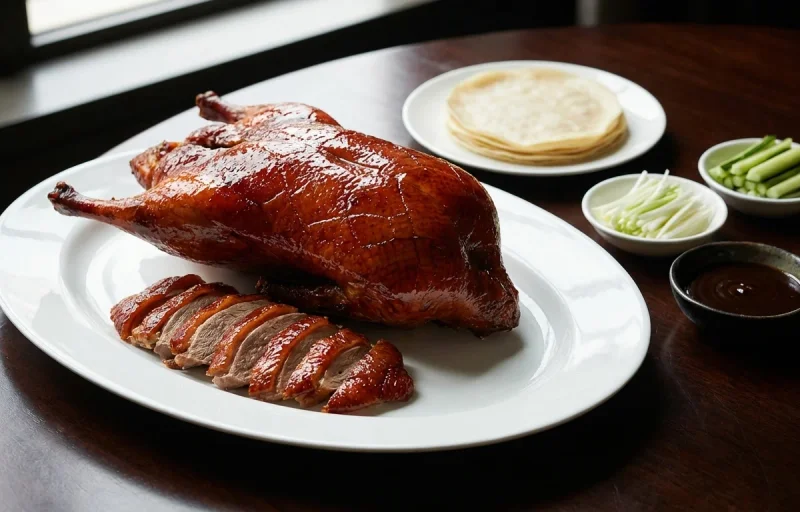
- 1Use as a glaze for roasted meats like duck or pork ribs
- 2Dilute with water or oil if using as a dipping sauce to reduce intensity
- 3Add toward the end of stir-frying to prevent the high sugar content from burning
STORAGE
Keep it fresh.
- Store unopened jars in a cool, dark, and dry pantry
- Refrigerate immediately after opening to maintain freshness
- Ensure the lid is tightly sealed to prevent the sauce from drying out
FAQ
Frequently asked questions.
How long does hoisin sauce last after opening?
When kept in the refrigerator, hoisin sauce typically lasts for 6 to 12 months. Check for changes in smell or the presence of mold before use.
Is hoisin sauce gluten-free?
Most traditional hoisin sauces contain wheat flour as a thickener and are not gluten-free. Look for specifically labeled gluten-free versions made with cornstarch.
What is a good substitute for hoisin sauce?
A mix of soy sauce, peanut butter, honey (or brown sugar), and a dash of rice vinegar and sriracha can mimic the flavor profile.
Does hoisin sauce contain fish or seafood?
Despite the name 'hoisin' meaning 'seafood' in Cantonese, it traditionally contains no seafood and is made from fermented soybean paste.
Can hoisin sauce be frozen?
Yes, it can be frozen in airtight containers or ice cube trays for up to 6 months, though the texture may change slightly upon thawing.
Is hoisin sauce high in sodium?
Yes, hoisin sauce is very high in sodium, containing over 2500mg per 100g, so it should be used sparingly by those monitoring salt intake.
What gives hoisin sauce its dark color?
The dark color comes from the fermented soybean paste, caramel color additives, and sometimes dark brown sugar or molasses.
How do I pick a good quality hoisin sauce?
Look for brands where fermented soybeans or soybean paste is listed as one of the first ingredients rather than just sugar and water.
Is hoisin sauce the same as oyster sauce?
No, hoisin is plant-based, sweeter, and thicker, while oyster sauce is made from oyster extracts and has a more savory, salty, and oceanic flavor.
RECIPES
Cook with hoisin sauce.
8 recipes · sorted by what’s quick