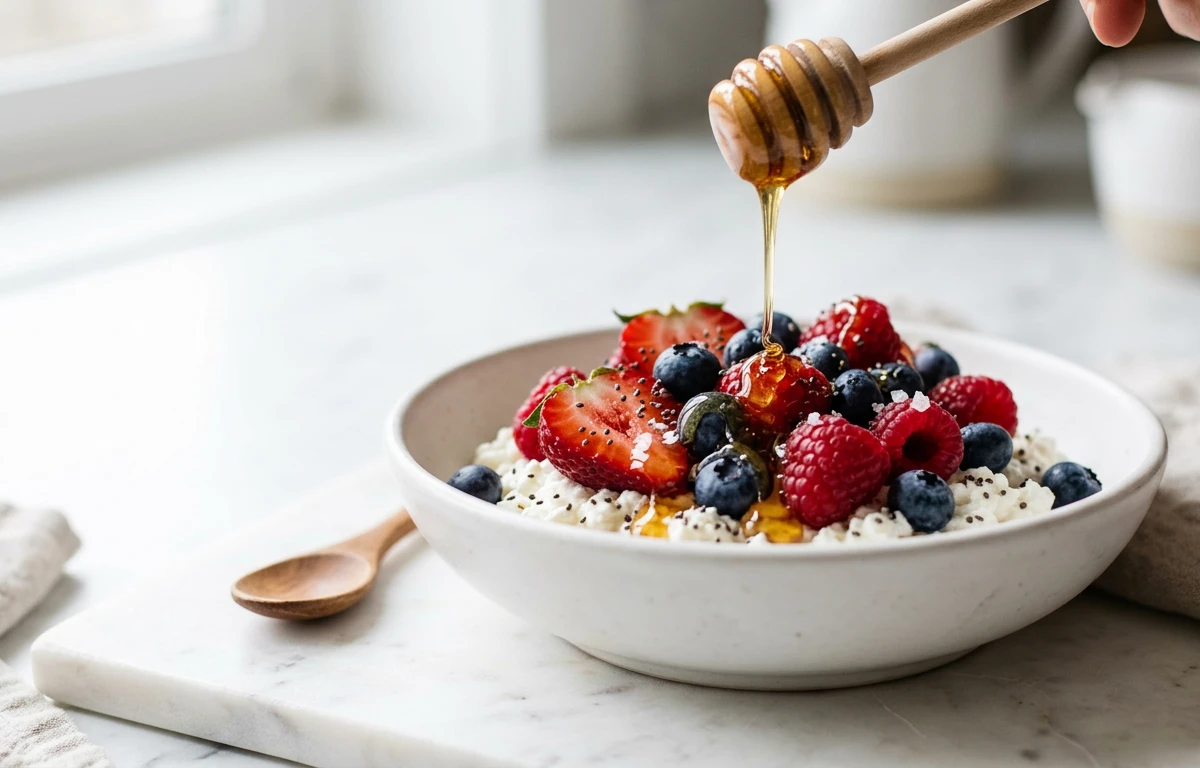
Condiment10 recipes
honey.
VegetarianVeganGluten-freeDairy-freeNut-freePeanut-freeSoy-freeEgg-freeShellfish-freeHoney-freeAlcohol-free
ALSO KNOWN AS
shahadmadhu
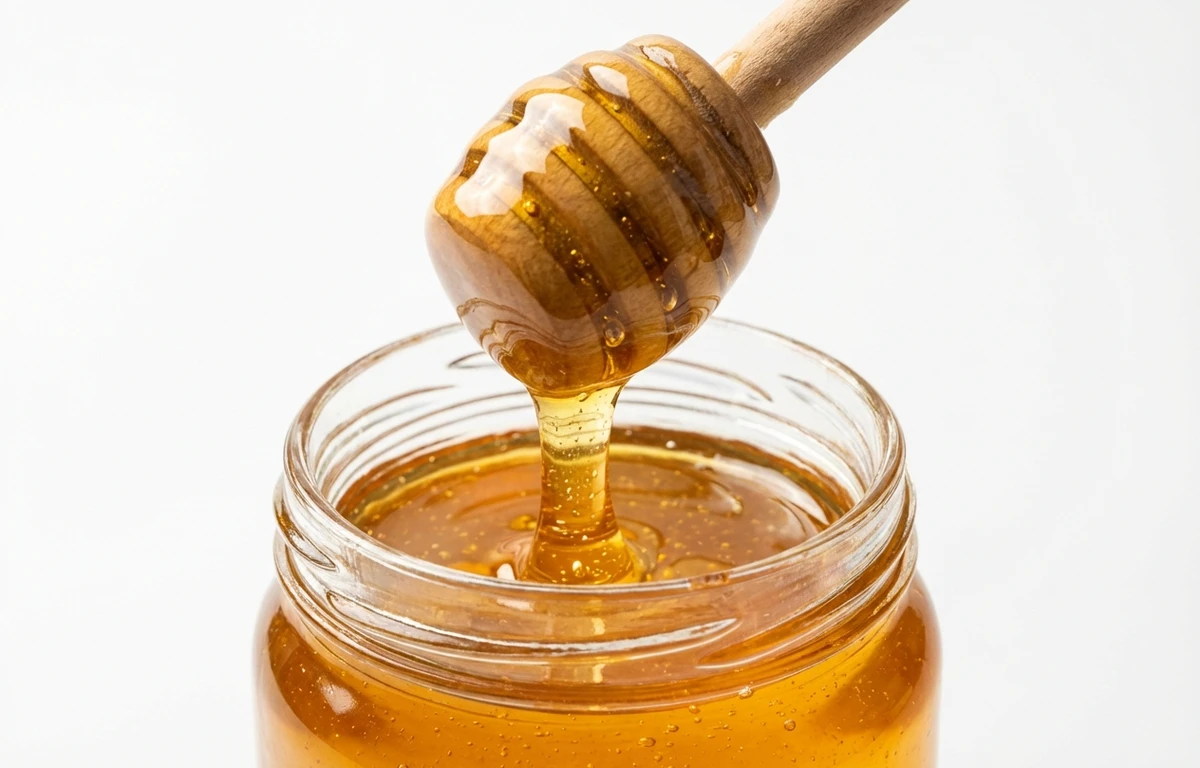
SERVING
CALORIES
304
PROTEIN
0.30g
CARBS
82.4g
FAT
0g
FIBER
0g
NUTRITION PROFILE · per 100 g
Everything in this ingredient.
MACRONUTRIENTS
Calories304kcal—
Protein0.30g1%
Carbohydrates82.4g30%
Fiber0g0%
Sugar82.1g164%
Total fat0g0%
Saturated fat0g0%
Trans fat0g—
Cholesterol0mg0%
Water17.1g—
MINERALS
Sodium4.0mg0%
Potassium52mg1%
Calcium6.0mg0%
Iron0.42mg2%
Magnesium2.0mg0%
Phosphorus4.0mg0%
Zinc0.22mg2%
Copper0.04mg4%
Manganese0.08mg3%
Selenium0.80µg1%
VITAMINS
Vitamin A0µg0%
Vitamin C0.50mg1%
Vitamin D0µg0%
Vitamin E0mg0%
Vitamin K0µg0%
Thiamin (B1)0mg0%
Riboflavin (B2)0.04mg3%
Niacin (B3)0.12mg1%
Pantothenic acid (B5)0.07mg1%
Vitamin B60.02mg1%
Folate (B9)2.0µg1%
Vitamin B120µg0%
%DV based on a 2,000 cal diet. Source: USDA FoodData Central. A dash in the %DV column means there’s no established Daily Value for that nutrient.
MEASUREMENT CONVERSIONS
How much is what.
1 cup340g
1 tablespoon21g
1 teaspoon7g
1 oz28.4g
1 lb453.6g
1 ml1.4g
1 liter1420g
HEALTH BENEFITS
Why eat it.
- ✓Rich in antioxidants like phenolic acids and flavonoids
- ✓Natural cough suppressant for adults and children over one year
- ✓Possesses antibacterial and antifungal properties
- ✓May help in wound healing when applied topically
- ✓Provides a quick source of natural energy
COOKING TIPS
In the kitchen.
- 1When substituting for sugar, use 3/4 cup of honey for every 1 cup of sugar
- 2Lightly coat measuring spoons with oil to prevent honey from sticking
- 3Add honey at the end of cooking to preserve its natural enzymes and flavor
STORAGE
Keep it fresh.
- Store in a cool, dry place away from direct sunlight
- Keep the container tightly sealed to prevent moisture absorption
- Do not refrigerate as it accelerates crystallization
FAQ
Frequently asked questions.
Does honey ever expire?
Pure honey does not expire. While it may crystallize or change color over time, it remains safe to consume indefinitely if stored in a sealed container.
How do I fix crystallized honey?
Place the honey jar in a bowl of warm water and stir gently until the crystals dissolve. Avoid boiling or microwaving on high heat as it destroys beneficial enzymes.
Can infants eat honey?
No, honey should never be given to infants under 12 months old due to the risk of botulism, a rare but serious form of food poisoning.
What is a good vegan substitute for honey?
Maple syrup, agave nectar, or date syrup are excellent plant-based alternatives with similar textures.
Is honey healthier than white sugar?
Honey has a slightly lower glycemic index and contains trace vitamins and minerals, but it is still high in sugar and should be consumed in moderation.
Why shouldn't I refrigerate honey?
Refrigeration causes the glucose in honey to precipitate out of the liquid, leading to a gritty, crystallized texture.
How can I tell if honey is pure?
Pure honey is thick and doesn't spread quickly. You can test it by dropping a teaspoon into water; pure honey will sink to the bottom without immediately dissolving.
Can honey be used in baking?
Yes, but because honey is sweeter and more acidic than sugar, you should reduce the oven temperature by 25°F and slightly reduce other liquids in the recipe.
RECIPES
Cook with honey.
10 recipes · sorted by what’s quick
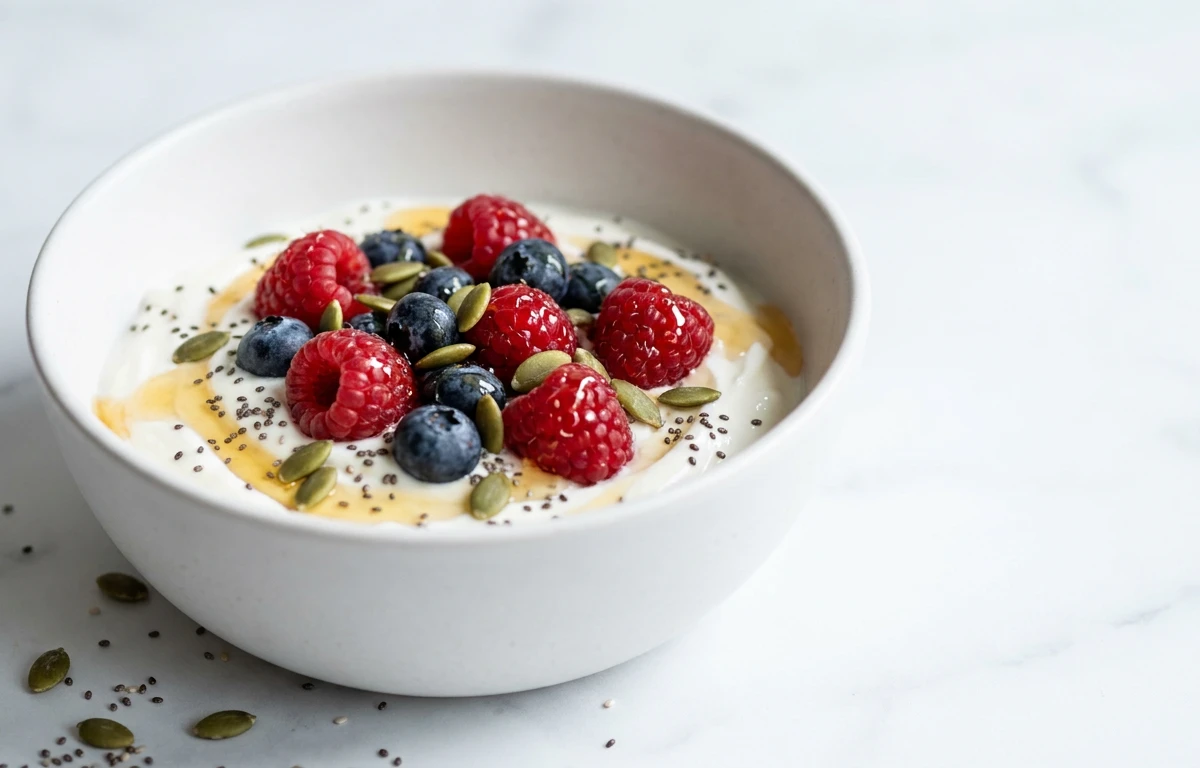
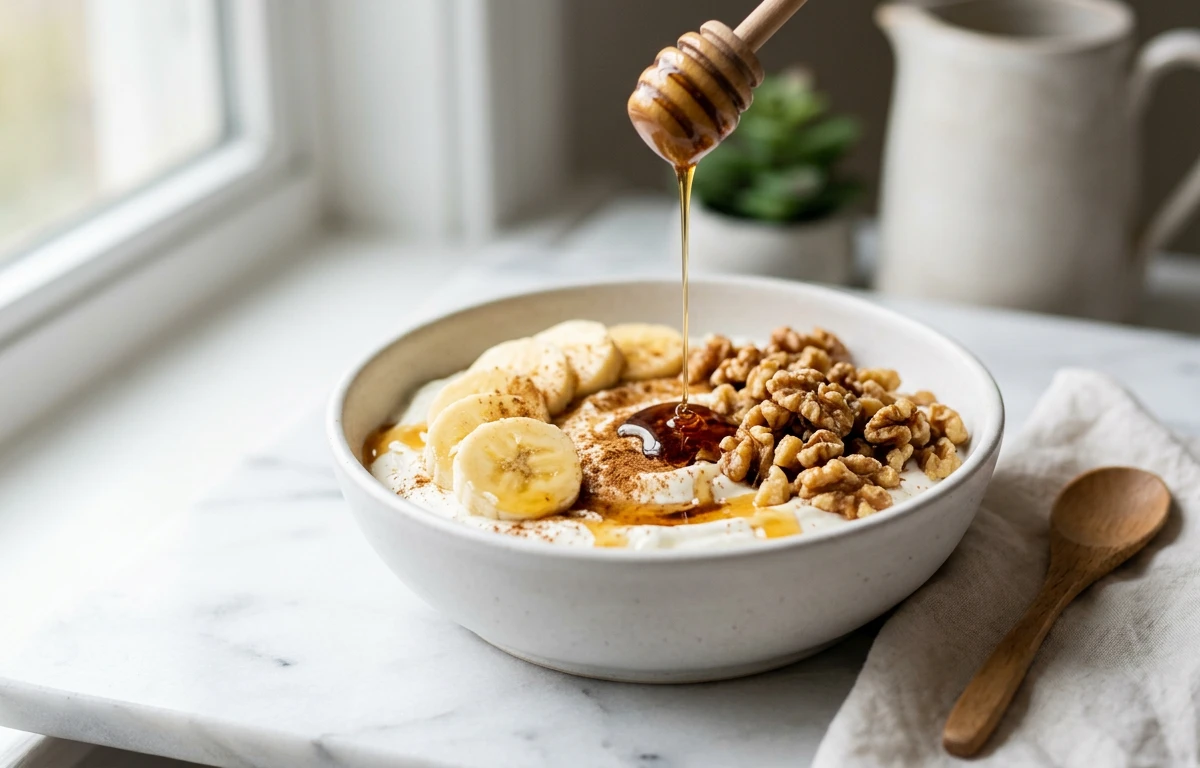
.webp)