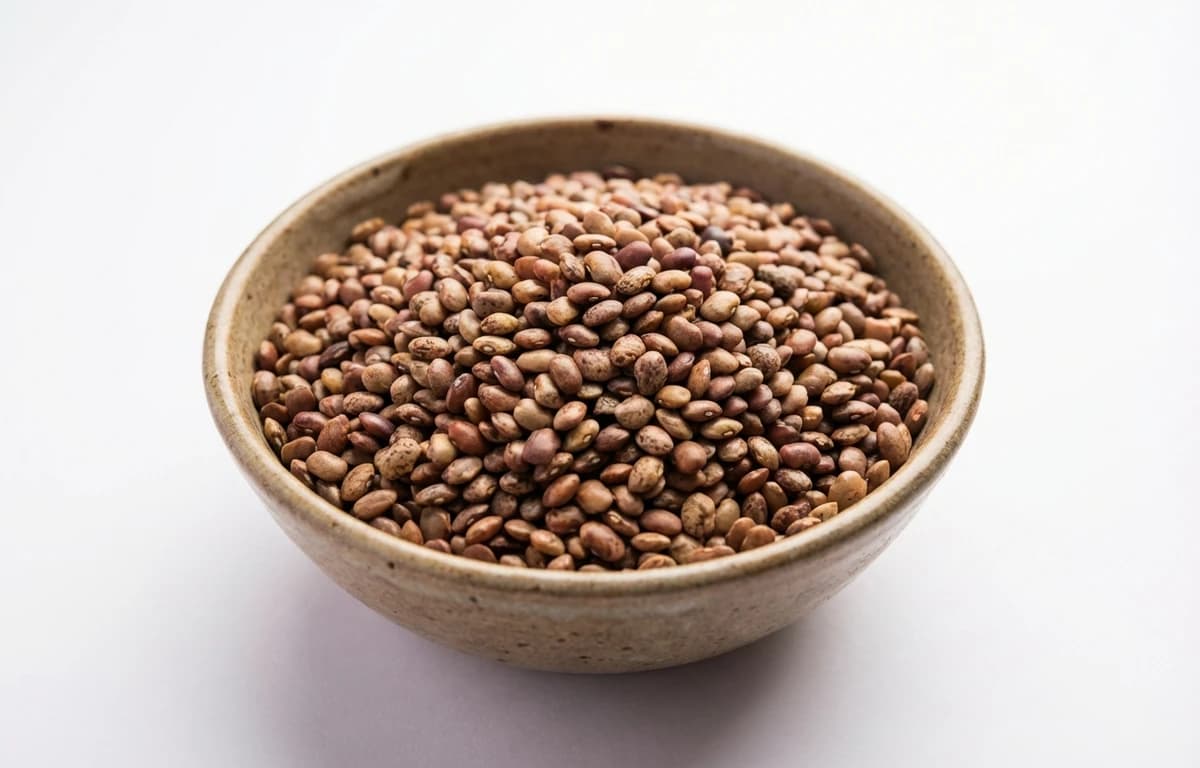
Horsegram
Also known as:
Loading...
Also known as:
Per 100g
Nutrition data source: USDA FoodData Central
Common measurement equivalents in grams
Yes, horsegram is highly nutritious. It is rich in protein, dietary fiber, iron, and calcium, which support muscle growth, bone health, and digestion. It also contains antioxidants that help protect cells from oxidative stress and has been used traditionally in Ayurvedic medicine.
Horsegram is an excellent plant-based protein source, providing approximately 22g of protein per 100g of dry seeds. This makes it a valuable staple for vegetarians and vegans looking to meet their daily protein requirements.
Yes, horsegram is beneficial for weight loss due to its high fiber and protein content, which promote satiety and help you feel full for longer. Additionally, it is very low in fat, containing only 1.1g per 100g, making it a calorie-efficient nutrient source.
Yes, horsegram is naturally gluten-free and 100% plant-based. It is a safe and nutritious option for individuals with celiac disease, gluten sensitivities, or those following a vegan lifestyle.
Horsegram is generally not considered keto-friendly because it contains about 57g of carbohydrates per 100g. While these are complex carbohydrates with a low glycemic index, the total carb count is typically too high for a strict ketogenic diet.
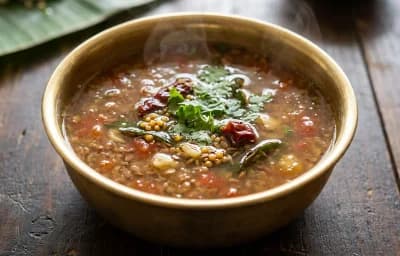
To cook horsegram, first rinse it thoroughly and soak it for 6-8 hours or overnight. Boil the soaked beans in a pressure cooker for about 6-7 whistles or in a pot with plenty of water until tender. It is commonly used in soups, stews, and traditional dishes like rasam.
Horsegram has a distinct, earthy, and slightly nutty flavor with a dense, chewy texture. Its robust taste pairs exceptionally well with strong spices like cumin, garlic, ginger, and black pepper.
Horsegram is a versatile ingredient found in cuisines around the world. With 321 calories per 100g and 22 grams of protein, it's a nutritious addition to many dishes.
Explore more ingredients in the legume category with complete nutrition information.
View all legume →Yes, soaking horsegram for at least 6 to 8 hours is highly recommended. Soaking significantly reduces the cooking time, helps neutralize anti-nutrients like phytic acid, and improves overall digestibility.
Store dry horsegram in an airtight container in a cool, dry, and dark place where it can last for up to 12 months. Once cooked, horsegram should be stored in the refrigerator and consumed within 3 to 4 days.
In traditional medicine, horsegram is often used to help manage kidney stones due to its diuretic properties and ability to help dissolve certain types of crystals. However, you should consult a healthcare professional before using it as a medical treatment.