Loading...
Per 100g
Nutrition data source: USDA FoodData Central
Common measurement equivalents in grams
Yes, Indian brinjal is highly nutritious and low in calories, providing only 25 calories per 100g. It is rich in antioxidants like nasunin, which protects cell membranes, and contains essential B vitamins and potassium for overall health.
Indian brinjal is excellent for weight loss because it is high in dietary fiber and very low in fat. The fiber promotes a feeling of fullness, which can help reduce overall calorie intake throughout the day.
Yes, Indian brinjal is keto-friendly. With approximately 5.88g of total carbohydrates and a good amount of fiber per 100g, the net carb count is low enough to fit into most ketogenic and low-carb diets.
Diabetics can safely eat Indian brinjal. Its high fiber content helps regulate blood sugar levels by slowing the rate of glucose absorption, and it has a low glycemic index.
Indian brinjal has a mild, slightly earthy flavor with a hint of bitterness when raw. When cooked, it develops a rich, creamy texture and acts like a sponge, readily absorbing the flavors of spices, oils, and sauces.
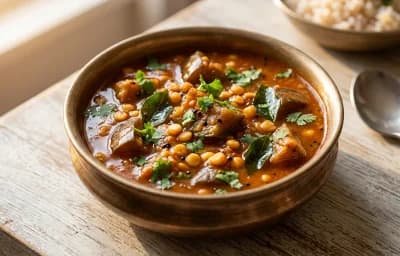
It can be roasted, sautéed, grilled, or steamed. Popular Indian dishes include 'Baingan Bharta' (smoky mashed eggplant) and 'Gutti Vankaya' (stuffed brinjal). To reduce bitterness and oil absorption, salt the sliced pieces for 20 minutes and rinse before cooking.
Peeling is not necessary as the skin is edible and contains the highest concentration of antioxidants. However, if the brinjal is very large or old, the skin may become tough, in which case you might prefer to peel it.
Indian Brinjal is a versatile ingredient found in cuisines around the world. With 25 calories per 100g and 0.98 grams of protein, it's a nutritious addition to many dishes.
Explore more ingredients in the vegetable category with complete nutrition information.
View all vegetable →Discover 1 recipes featuring indian brinjal with step-by-step instructions.
Browse recipes →Store Indian brinjal in the refrigerator's crisper drawer in a breathable bag. It is best used within 3 to 5 days. Avoid cutting it until you are ready to cook, as the flesh oxidizes and turns brown quickly when exposed to air.
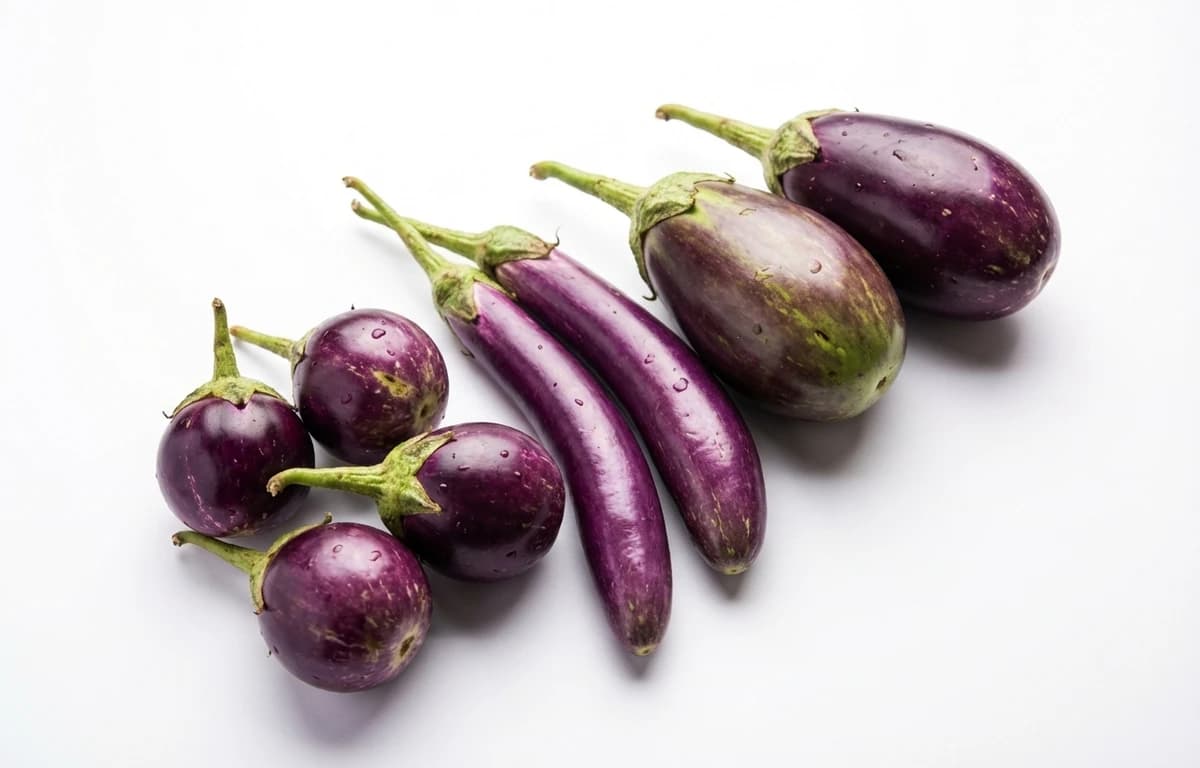
Look for brinjals that are firm to the touch with smooth, shiny, and unwrinkled skin. The stem should be bright green; a brown or dried-out stem usually indicates that the vegetable is no longer fresh.
Yes, Indian brinjal is a natural plant-based vegetable that is both 100% vegan and gluten-free. It is a popular meat substitute in vegan cooking due to its hearty, dense texture when cooked.