
Other
instant ramen noodles.
VegetarianVeganGluten-freeDairy-freeNut-freePeanut-freeSoy-freeEgg-freeShellfish-freeHoney-freeAlcohol-free
ALSO KNOWN AS
instant noodlesramen blocks2-minute noodles
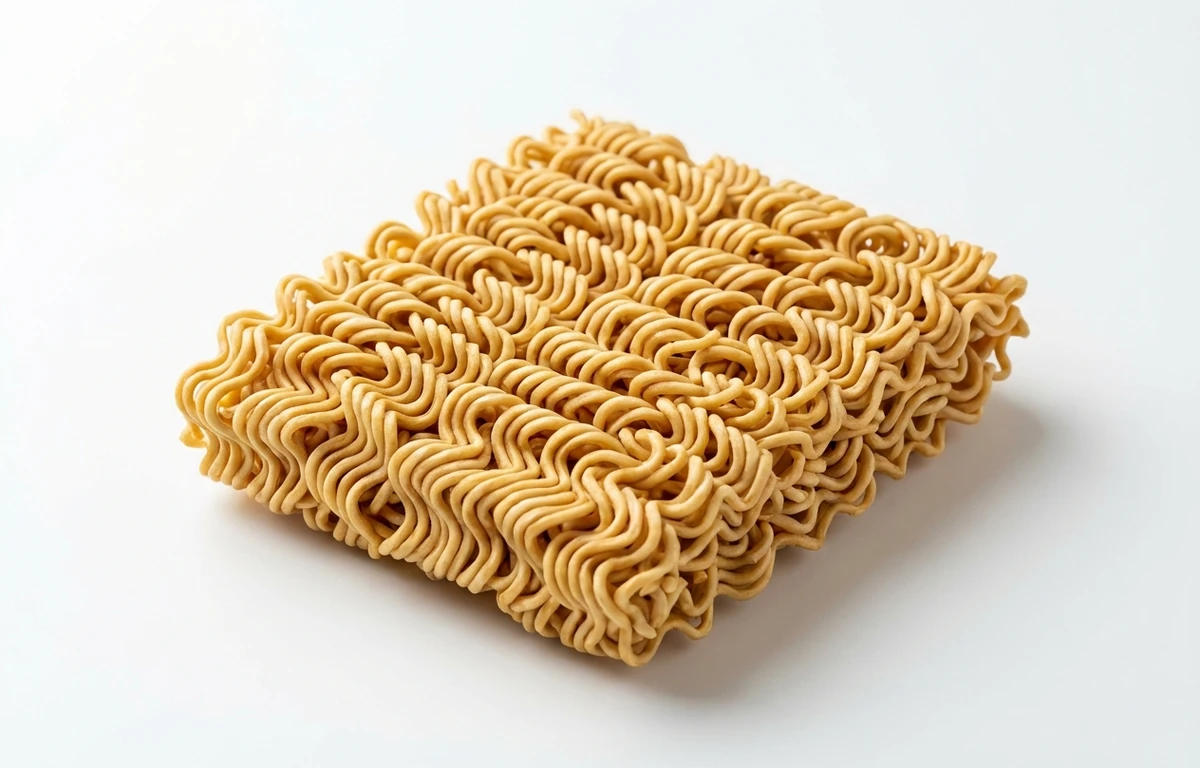
SERVING
CALORIES
450
PROTEIN
9.5g
CARBS
63g
FAT
18g
FIBER
2.5g
Per 100 g, it provides 1.5 µg of vitamin K.
NUTRITION PROFILE · per 100 g
Everything in this ingredient.
MACRONUTRIENTS
Calories450kcal—
Protein9.5g19%
Carbohydrates63g23%
Fiber2.5g9%
Sugar2.0g4%
Total fat18g23%
Saturated fat8.5g43%
Trans fat0.10g—
Cholesterol2.0mg1%
Water4.0g—
MINERALS
Sodium1800mg78%
Potassium150mg3%
Calcium20mg2%
Iron4.2mg23%
Magnesium30mg7%
Phosphorus120mg10%
Zinc0.80mg7%
Copper0.10mg11%
Manganese0.40mg17%
Selenium25µg45%
VITAMINS
Vitamin A0µg0%
Vitamin C0mg0%
Vitamin D0µg0%
Vitamin E0.50mg3%
Vitamin K1.5µg1%
Thiamin (B1)0.70mg58%
Riboflavin (B2)0.40mg31%
Niacin (B3)5.5mg34%
Pantothenic acid (B5)0.40mg8%
Vitamin B60.10mg6%
Folate (B9)150µg38%
Vitamin B120µg0%
%DV based on a 2,000 cal diet. Source: USDA FoodData Central. A dash in the %DV column means there’s no established Daily Value for that nutrient.
MEASUREMENT CONVERSIONS
How much is what.
1 cup85g
1 oz28.4g
1 lb453.6g
1 piece85g
HEALTH BENEFITS
Why eat it.
- ✓Provides quick energy through carbohydrates
- ✓Often fortified with B vitamins and iron
- ✓Convenient and shelf-stable food source
- ✓Inexpensive source of calories
- ✓Can be a base for adding nutrient-dense vegetables
COOKING TIPS
In the kitchen.
- 1Discard half the seasoning packet to significantly reduce sodium intake
- 2Add fresh greens, a soft-boiled egg, or tofu to improve nutritional profile
- 3Do not overcook; noodles should be slightly firm (al dente) before serving
STORAGE
Keep it fresh.
- Store in a cool, dry place away from direct sunlight
- Keep in original airtight packaging to prevent moisture absorption
- Check expiration dates as the frying oil can go rancid over time
FAQ
Frequently asked questions.
How long do instant ramen noodles last?
Unopened, they typically last 6 to 12 months. Check the 'best by' date as the oils used for frying the noodles can eventually spoil.
Are instant ramen noodles vegan?
Most standard instant ramen is not vegan because the noodles may contain egg and the seasoning packets often contain dairy, lactose, or animal-derived flavor enhancers.
Can I eat instant ramen noodles raw?
Yes, they are pre-cooked (usually fried) and dried, making them safe to eat crunchy, though they are high in fat and sodium.
What is a healthy substitute for instant ramen?
Soba (buckwheat) noodles, brown rice noodles, or whole-wheat pasta are healthier alternatives with more fiber and less processing.
Why is the sodium content so high?
The high sodium comes primarily from the seasoning packet, which uses salt and MSG for flavor preservation and taste.
How can I make instant ramen more filling?
Add protein like chicken, shrimp, or edamame, and bulk it up with fiber-rich vegetables like bok choy, carrots, or spinach.
Do instant ramen noodles contain MSG?
Many brands use Monosodium Glutamate (MSG) in the seasoning packet to enhance the savory umami flavor.
Can you freeze cooked ramen noodles?
It is not recommended as the texture becomes very mushy and soft upon thawing and reheating.



















