Other3 recipes
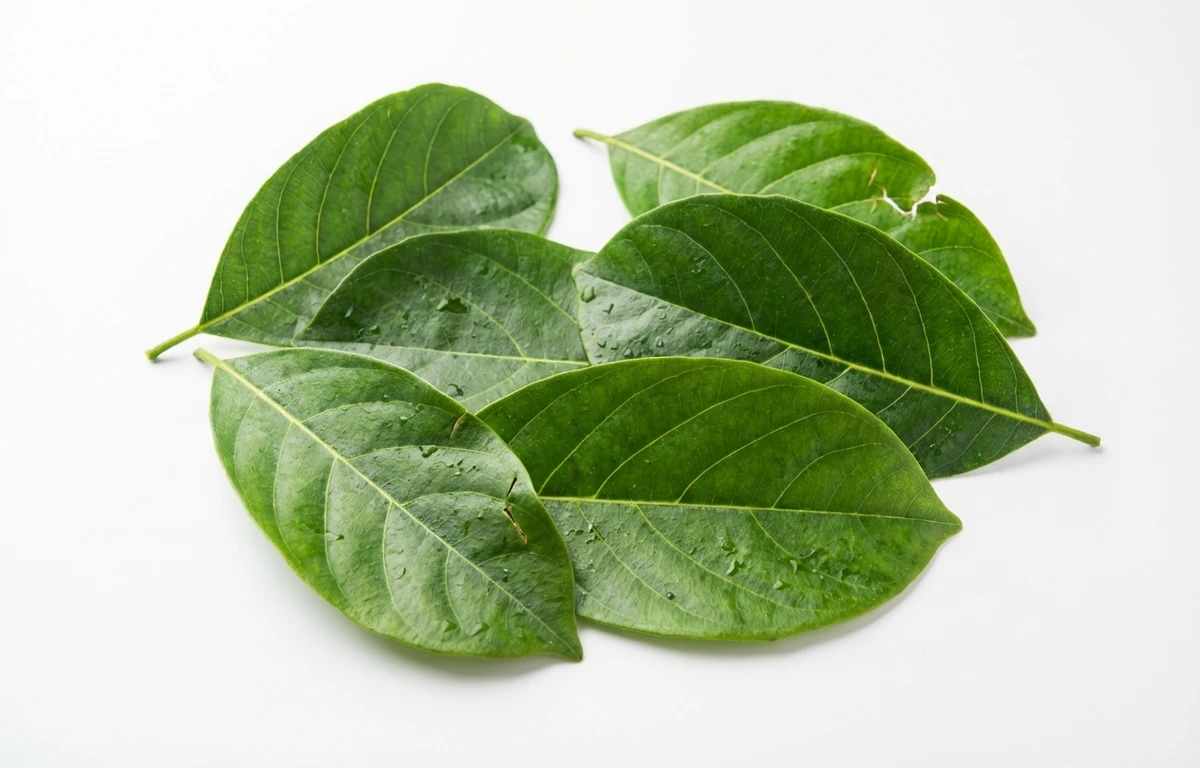
jackfruit leaves.
VegetarianVeganGluten-freeDairy-freeNut-freePeanut-freeSoy-freeEgg-freeShellfish-freeHoney-freeAlcohol-free
ALSO KNOWN AS
Artocarpus heterophyllus leavesKathal ke pattePala elaiJackfruit tree leavesHalasina ele
SERVING
CALORIES
55
PROTEIN
2.5g
CARBS
11g
FAT
0.40g
FIBER
5.2g
This ingredient is flagged as naturally gluten-free. Per 100 g, it provides 40 µg of vitamin K.
NUTRITION PROFILE · per 100 g
Everything in this ingredient.
MACRONUTRIENTS
Calories55kcal—
Protein2.5g5%
Carbohydrates11g4%
Fiber5.2g19%
Sugar1.5g3%
Total fat0.40g1%
Saturated fat0.10g1%
Trans fat0g—
Cholesterol0mg0%
Water80g—
MINERALS
Sodium5.0mg0%
Potassium350mg7%
Calcium60mg5%
Iron1.2mg7%
Magnesium35mg8%
Phosphorus40mg3%
Zinc0.30mg3%
Copper0.10mg11%
Manganese0.20mg9%
Selenium0.50µg1%
VITAMINS
Vitamin A15µg2%
Vitamin C12mg13%
Vitamin D0µg0%
Vitamin E0.50mg3%
Vitamin K40µg33%
Thiamin (B1)0.05mg4%
Riboflavin (B2)0.08mg6%
Niacin (B3)0.60mg4%
Pantothenic acid (B5)0.20mg4%
Vitamin B60.10mg6%
Folate (B9)15µg4%
Vitamin B120µg0%
%DV based on a 2,000 cal diet. Source: USDA FoodData Central. A dash in the %DV column means there’s no established Daily Value for that nutrient.
MEASUREMENT CONVERSIONS
How much is what.
1 cup40g
1 oz28.4g
1 lb453.6g
1 piece3g
HEALTH BENEFITS
Why eat it.
- ✓May help in managing blood glucose levels
- ✓Traditionally used to support skin health and healing
- ✓High fiber content supports digestive regularity
COOKING TIPS
In the kitchen.
- 1Wash thoroughly under running water to remove dust and debris
- 2Often used to make 'Kotte Kadubu' by pinning leaves into cups for steaming
- 3Can be used as a natural wrap for steaming fish or meat to impart a subtle aroma
STORAGE
Keep it fresh.
- Store in a cool, dry place away from direct sunlight
- Keep in a perforated plastic bag in the refrigerator for up to 5 days
- Wrap in a damp cloth to maintain freshness for a short period
FAQ
Frequently asked questions.
How long do jackfruit leaves last?
Fresh jackfruit leaves last about 3-5 days when stored in the refrigerator in a damp cloth or perforated bag.
Can you eat jackfruit leaves directly?
While they are non-toxic, they are very fibrous. They are usually used for steaming food, making herbal teas, or in traditional medicine rather than eaten as a salad green.
What is a good substitute for jackfruit leaves in steaming?
Banana leaves or turmeric leaves are the best substitutes for wrapping and steaming food.
How do I pick the best jackfruit leaves?
Look for leaves that are dark green, firm, and free from yellowing, holes, or dark spots.
Are jackfruit leaves used in Indian cooking?
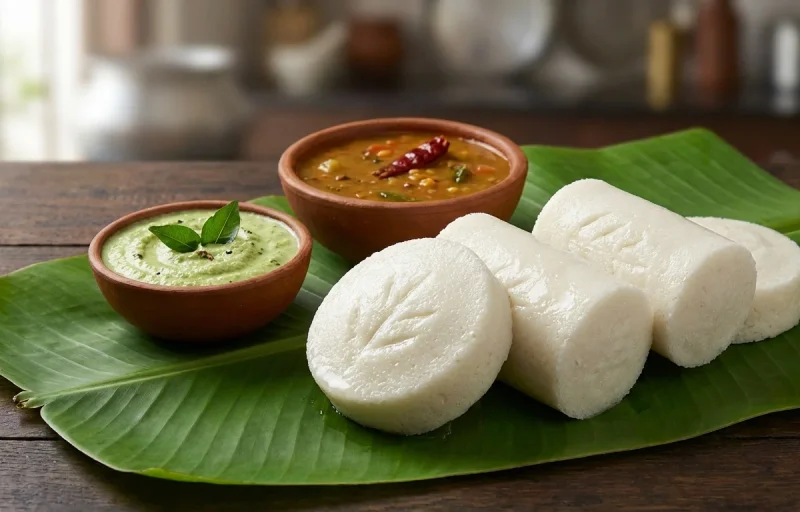
Yes, they are famously used in South India to make 'Kotte Kadubu', where idli batter is steamed inside cups made of these leaves.
Do jackfruit leaves contain gluten?
No, jackfruit leaves are naturally gluten-free.
Can jackfruit leaves be frozen?
Freezing is not recommended as it changes the texture and makes them brittle once thawed, making them difficult to use for wrapping.
How do you clean jackfruit leaves before use?
Rinse each leaf individually under cold running water and wipe them dry with a clean cloth.
Are jackfruit leaves available year-round?
In tropical climates where jackfruit trees grow, they are available throughout the year.
RECIPES
Cook with jackfruit leaves.
3 recipes · sorted by what’s quick