
Loading...
Per 100g
Nutrition data source: USDA FoodData Central
Common measurement equivalents in grams

Sweet, tender fritters made from ripe jackfruit pulp, jaggery, and coconut. This traditional Goan monsoon snack is a delightful treat, with a soft, fluffy interior and a lightly crisp, golden-brown exterior. A perfect way to enjoy the seasonal bounty of jackfruit.

A traditional Maharashtrian delicacy, these are sweet, steamed dumplings made from ripe jackfruit pulp, rice flour, and jaggery. The fragrant jackfruit and earthy jaggery create a unique flavor, perfect for a festive treat.

A sweet and fragrant Goan pancake made from ripe jackfruit pulp, rice, and jaggery. This traditional monsoon delicacy, also known as 'Ponsa Dosa', is soft, fluffy, and tastes incredible drizzled with a little ghee.
Yes, jackfruit pulp is very healthy as it is rich in Vitamin C, antioxidants, and dietary fiber. It supports immune function, aids digestion, and provides essential minerals like potassium for heart health while remaining low in fat.
A 100g serving of jackfruit pulp contains approximately 95 calories and 24g of carbohydrates. While it provides energy through natural sugars and starch, its high fiber content helps manage how those carbs are processed by the body.
While jackfruit pulp is famous for its meat-like texture, it is not a high-protein food, containing only 1.7g of protein per 100g. It is an excellent culinary substitute for texture in dishes like 'pulled pork,' but it should be paired with legumes or nuts to meet protein needs.
Jackfruit pulp is generally not considered keto-friendly because it contains 24g of carbohydrates per 100g. Those on a strict ketogenic diet may find it difficult to fit into their daily carb limits, though small portions of green (unripe) jackfruit are lower in sugar.
Yes, diabetics can eat jackfruit pulp in moderation. Its high fiber content and specific phytonutrients may actually help regulate blood sugar levels, though the total carbohydrate count should be factored into daily meal planning.
Ripe jackfruit pulp has a sweet, tropical flavor similar to a combination of pineapple, mango, and banana. Unripe or 'young' jackfruit pulp is neutral in flavor and acts as a sponge, soaking up the spices and sauces of the dish it is cooked in.
Fresh jackfruit pulp should be kept in an airtight container in the refrigerator for up to 5 days. For long-term storage, the pulp can be frozen for 6 to 8 months, though the texture may become slightly softer upon thawing.
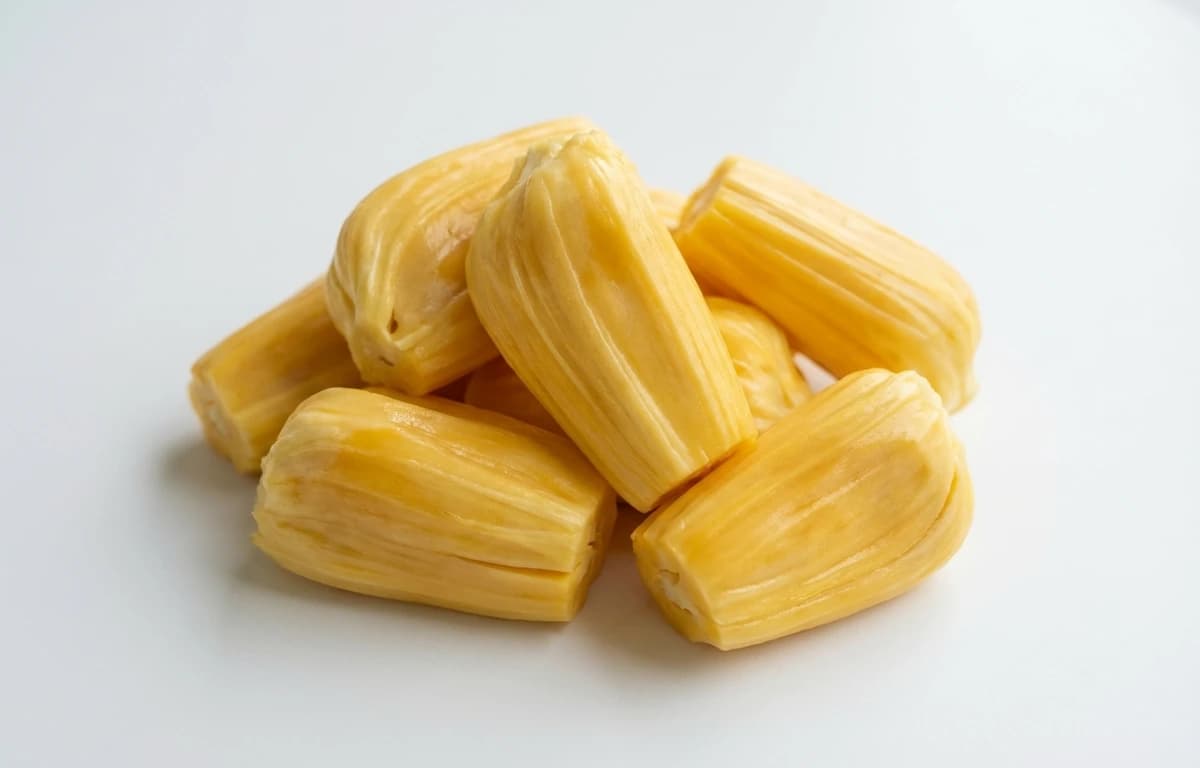
Jackfruit Pulp is a versatile ingredient found in cuisines around the world. With 95 calories per 100g and 1.7 grams of protein, it's a nutritious addition to many dishes.
Explore more ingredients in the fruit category with complete nutrition information.
View all fruit →Discover 1 recipes featuring jackfruit pulp with step-by-step instructions.
Browse recipes →Yes, jackfruit pulp is naturally vegan and gluten-free. It is a whole fruit that contains no animal by-products or gluten proteins, making it a safe and popular choice for plant-based and celiac-friendly diets.
Ripe pulp is typically used in smoothies, desserts, or eaten raw as a snack. Unripe or canned 'young' jackfruit pulp is shredded and sautéed with savory spices to create plant-based versions of tacos, curries, and barbecue sandwiches.
Spoiled jackfruit pulp will have a noticeably sour or fermented odor, a slimy surface texture, or visible mold growth. If the pulp has turned dark brown or feels excessively mushy compared to its usual firm or fibrous state, it should be discarded.