Loading...
Also known as:
Per 100g
Nutrition data source: USDA FoodData Central
Common measurement equivalents in grams
Yes, kalai dal is very healthy. It's an excellent source of plant-based protein, dietary fiber, iron, magnesium, potassium, and folic acid. These nutrients support digestion, heart health, energy production, and overall well-being.
Kalai dal is rich in protein (25.2g per 100g), essential for muscle repair and growth. Its high fiber content aids digestion and promotes satiety, while iron helps prevent anemia. It also provides magnesium, potassium for heart health, and folic acid, crucial for cell development.
Per 100g, kalai dal contains approximately 25.2g of protein, 59.6g of carbohydrates, and 1.4g of fat. It provides about 347 calories, making it a nutrient-dense food.
Yes, kalai dal is both vegan and vegetarian. It is a plant-based legume, making it an excellent protein source for those following plant-based diets.
Yes, kalai dal is naturally gluten-free. As a pure legume, it does not contain wheat, barley, or rye, making it suitable for individuals with celiac disease or gluten sensitivity.
Yes, kalai dal can be beneficial for diabetics due to its high fiber content. Fiber helps regulate blood sugar levels by slowing down glucose absorption. Its protein content also contributes to satiety and better blood sugar management.
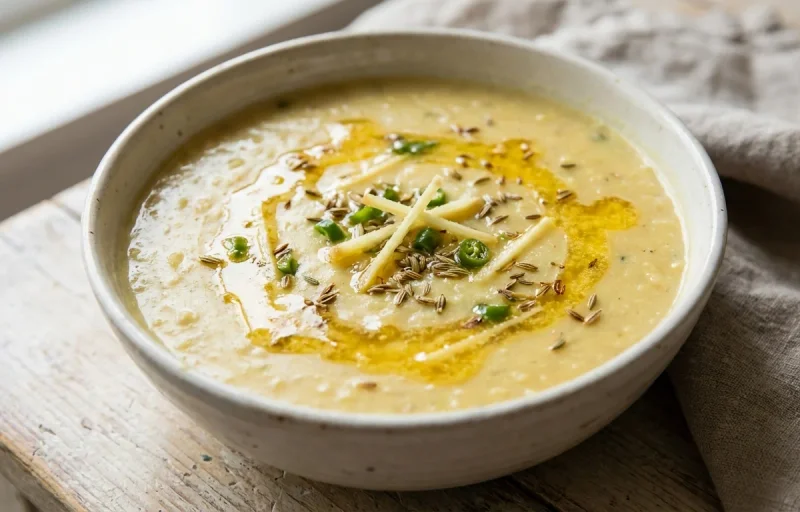
Kalai dal is typically cooked by first rinsing thoroughly, then boiling or pressure cooking until tender. It's often prepared into a thick stew (dal) with spices, or ground into a paste for making dosas, idlis, or vadas after soaking.
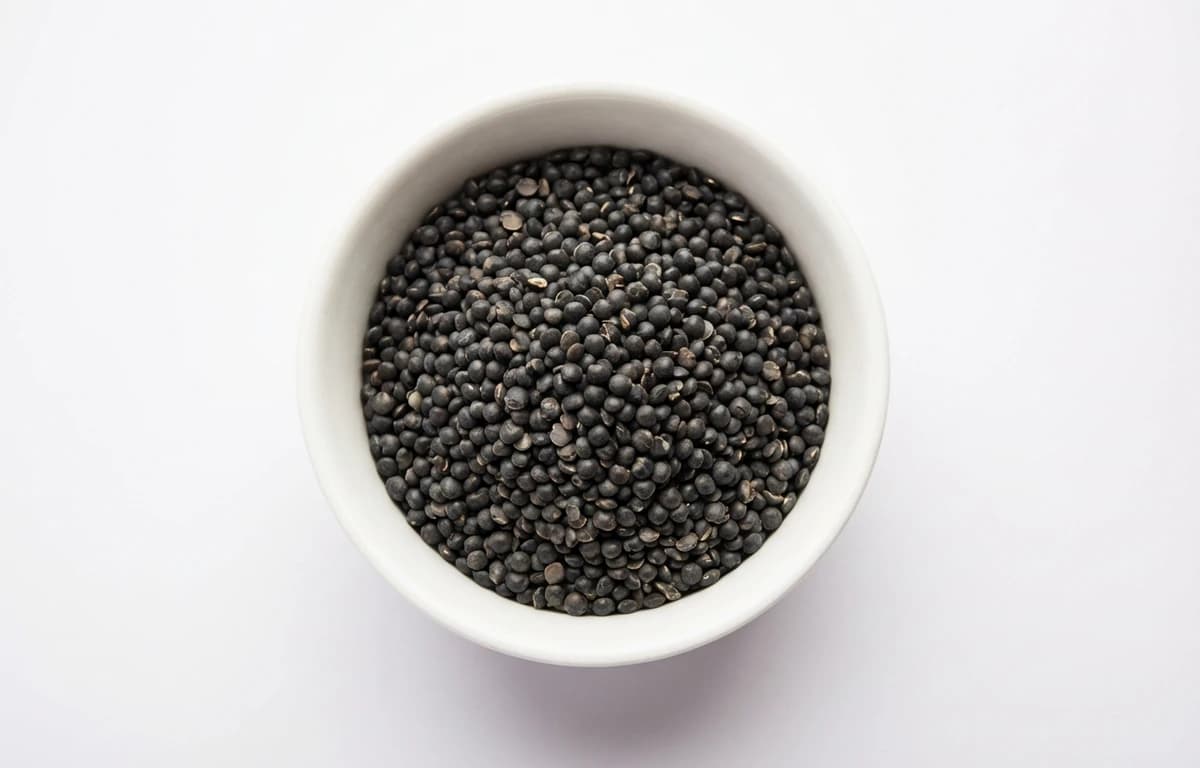
kalai dal is a versatile ingredient found in cuisines around the world. With 347 calories per 100g and 25.2 grams of protein, it's a nutritious addition to many dishes.
Explore more ingredients in the legume category with complete nutrition information.
View all legume →Explore more ingredients similar to kalai dal.
The most-searched ingredients on CraftMyMeals.
Kalai dal has a mild, earthy flavor with a slightly creamy texture when cooked. It's a staple in Indian cuisine, used to make popular dishes like Dal Makhani, idli and dosa batter, and various fritters (vadas).
Store dry kalai dal in an airtight container in a cool, dark, and dry place, away from direct sunlight and moisture. Properly stored, it can last for up to a year or even longer.
Yes, it is highly recommended to soak kalai dal, especially whole or split varieties, for at least 4-6 hours or overnight. Soaking reduces cooking time, improves digestibility, and helps remove anti-nutrients.