
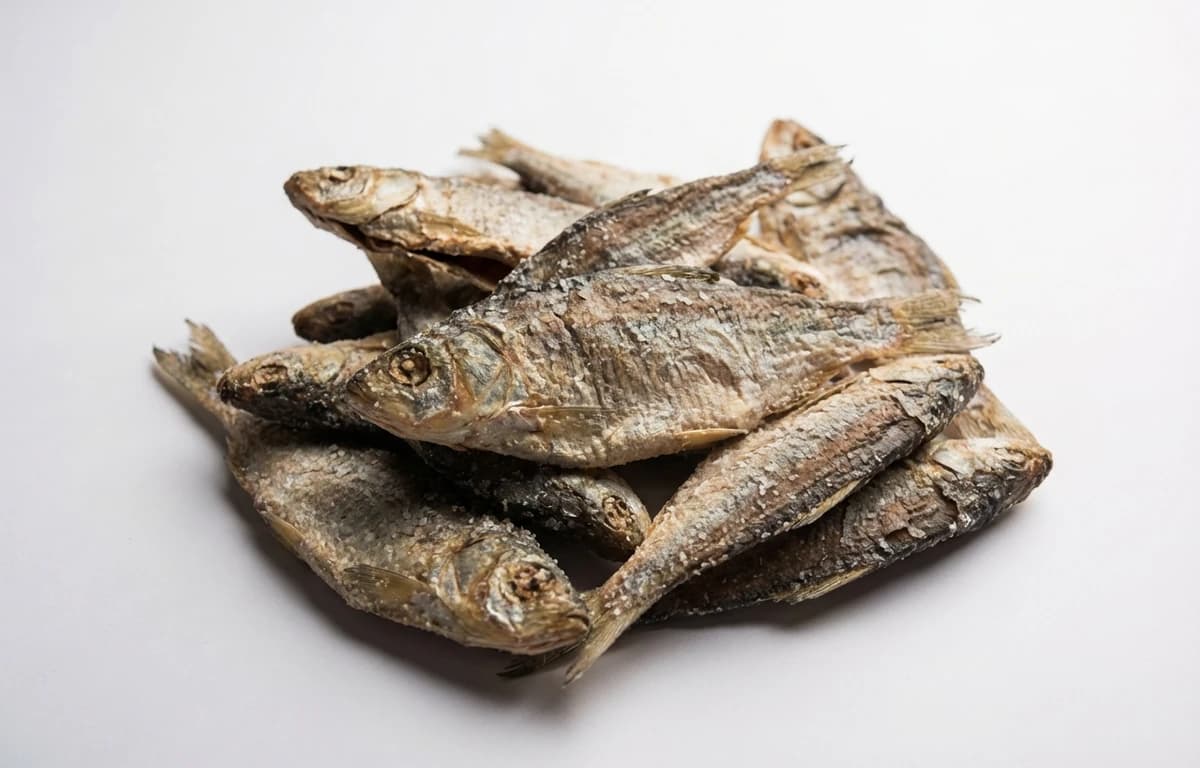
kalwa
Also known as:
Loading...
Also known as:
Per 100g
Nutrition data source: USDA FoodData Central

Crispy, spicy, and tangy fried rock oysters, a beloved delicacy from the Konkan coast of Maharashtra. Coated in semolina and shallow-fried to perfection, this dish is a seafood lover's dream, ready in under 30 minutes.

Fresh oysters cooked in a spicy, tangy masala of roasted coconut and aromatic spices. This Maharashtrian coastal delicacy is a semi-dry preparation, perfect with bhakri or steamed rice.
Yes, kalwa is very healthy. It's an excellent source of lean protein, essential for muscle health, and rich in vital nutrients like iron, Vitamin B12, and beneficial omega-3 fatty acids. It also provides important minerals like selenium and zinc, supporting overall well-being.
Per 100g serving, kalwa contains approximately 81 calories and 9.45g of protein. It's a low-calorie, high-protein food, making it a nutritious choice for many diets.
Yes, kalwa can be beneficial for weight loss. It's low in calories and fat while being high in protein, which helps promote satiety and muscle maintenance. Its nutrient density also ensures you get essential vitamins and minerals without excess calories.
Yes, kalwa is naturally gluten-free. With only 4.95g of carbohydrates per 100g, it can also be considered keto-friendly, especially when prepared without high-carb ingredients.
Yes, kalwa is generally suitable for diabetics. It's low in carbohydrates and provides lean protein, which can help manage blood sugar levels. Always consider preparation methods to avoid added sugars or unhealthy fats.
Kalwa can be cooked in various ways, similar to other shellfish. Popular methods include steaming, grilling, baking, or adding them to stews and curries. Ensure they are cooked until fully opened (if in shell) and opaque.
Kalwa typically has a mild, slightly sweet, and briny flavor, characteristic of fresh shellfish. Its texture is usually tender and succulent when properly cooked.
kalwa is a versatile ingredient found in cuisines around the world. With 81 calories per 100g and 9.45 grams of protein, it's a nutritious addition to many dishes.
Explore more ingredients in the seafood category with complete nutrition information.
View all seafood →Fresh kalwa should be stored in the coldest part of your refrigerator, preferably on ice, and consumed within 1-2 days. Keep them in a breathable container, not sealed, to allow them to breathe. Cooked kalwa can be refrigerated for up to 3-4 days.
Fresh kalwa (if in shell) should have tightly closed shells. If any are slightly open, tap them; they should close. Discard any that remain open or have a strong, unpleasant odor. The flesh should appear moist and plump.
While some shellfish can be eaten raw, it's generally recommended to cook kalwa to minimize the risk of foodborne illness, especially for vulnerable populations. If consumed raw, ensure they are sourced from reputable suppliers and handled with extreme care.