
Other1 recipes
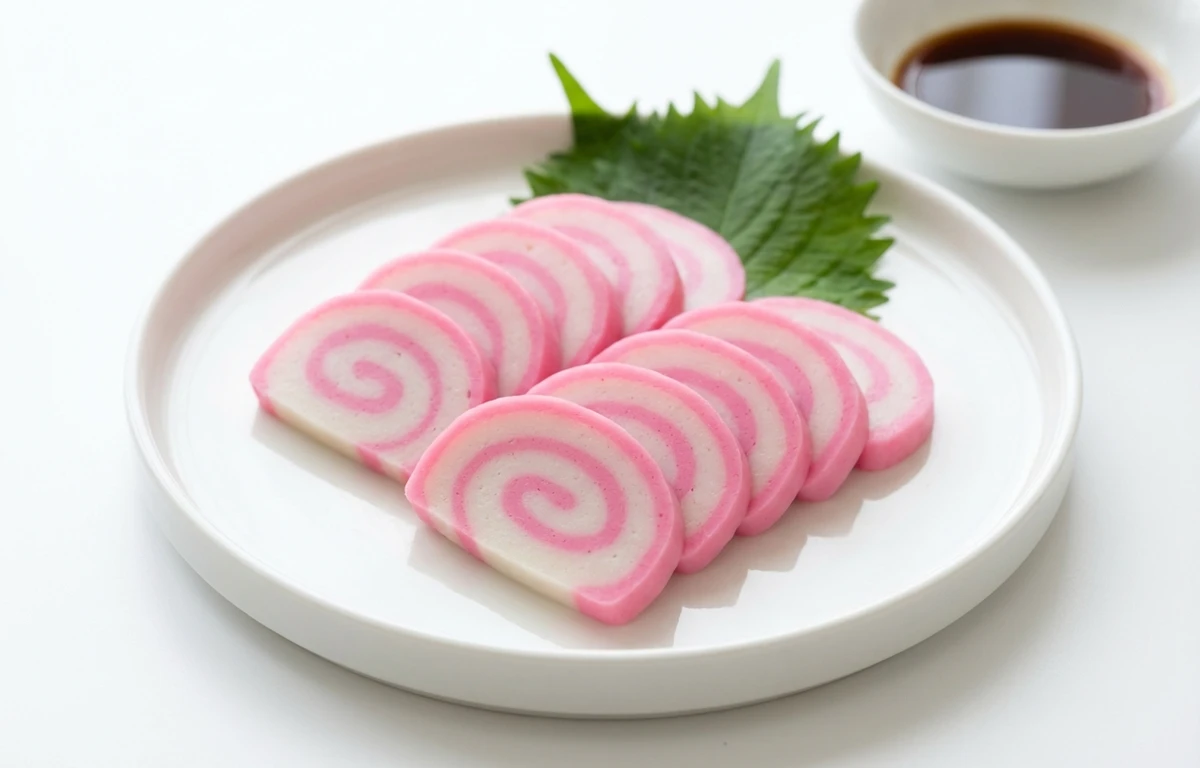
kamaboko.
VegetarianVeganGluten-freeDairy-freeNut-freePeanut-freeSoy-freeEgg-freeShellfish-freeHoney-freeAlcohol-free
ALSO KNOWN AS
fish cakeJapanese fish cakeNarutomaki
SERVING
CALORIES
83
PROTEIN
10.9g
CARBS
9.2g
FAT
0.90g
FIBER
0g
Per 100 g, it provides 1.9 µg of vitamin K.
NUTRITION PROFILE · per 100 g
Everything in this ingredient.
MACRONUTRIENTS
Calories83kcal—
Protein10.9g22%
Carbohydrates9.2g3%
Fiber0g0%
Sugar4.5g9%
Total fat0.90g1%
Saturated fat0.10g1%
Trans fat0g—
Cholesterol25mg8%
Water76.2g—
MINERALS
Sodium530mg23%
Potassium100mg2%
Calcium20mg2%
Iron0.20mg1%
Magnesium25mg6%
Phosphorus115mg9%
Zinc1.1mg10%
Copper0.10mg11%
Manganese0.04mg2%
Selenium2.5µg5%
VITAMINS
Vitamin A3.0µg0%
Vitamin C0mg0%
Vitamin D0µg0%
Vitamin E0.10mg1%
Vitamin K1.9µg2%
Thiamin (B1)0.10mg8%
Riboflavin (B2)0.10mg8%
Niacin (B3)1.6mg10%
Pantothenic acid (B5)0.60mg12%
Vitamin B60.20mg12%
Folate (B9)20µg5%
Vitamin B120µg0%
%DV based on a 2,000 cal diet. Source: USDA FoodData Central. A dash in the %DV column means there’s no established Daily Value for that nutrient.
MEASUREMENT CONVERSIONS
How much is what.
1 cup145g
1 oz28.4g
1 lb453.6g
HEALTH BENEFITS
Why eat it.
- ✓Good source of lean protein, essential for muscle repair and growth.
- ✓Contains some Omega-3 fatty acids (depending on the fish used), which support heart and brain health.
COOKING TIPS
In the kitchen.
- 1Slice and add to Japanese noodle soups like udon or ramen just before serving; it only needs to be warmed through.
- 2Serve chilled slices with a dipping sauce of soy sauce and wasabi for a simple appetizer.
- 3Use as a colorful and decorative ingredient in bento boxes, salads, or chawanmushi (savory egg custard).
- 4Kamaboko is pre-cooked, so it does not require further cooking and can be eaten directly from the package.
STORAGE
Keep it fresh.
- Keep unopened kamaboko refrigerated and consume by the expiration date printed on the package.
- Once opened, wrap the remaining portion tightly in plastic wrap or store in an airtight container in the refrigerator for up to 3-5 days.
- For longer storage, kamaboko can be frozen for about a month, though its texture may become slightly more spongy after thawing.
FAQ
Frequently asked questions.
Is kamaboko healthy?
Yes, kamaboko is generally considered a healthy food. It is a good source of lean protein, low in fat and calories, and provides essential minerals like selenium. It can be a beneficial addition to a balanced diet, especially for those seeking low-fat protein options.
What are the nutritional values of kamaboko?
Per 100g, kamaboko typically contains around 83 calories, 10.9g of protein, 9.2g of carbohydrates, and 0.9g of fat. It is notable for its high protein and very low-fat content, making it a lean protein source.
Is kamaboko gluten-free?
Kamaboko is often made with wheat starch as a binder to achieve its characteristic texture, so it is typically not gluten-free. Always check the ingredient label for specific brands if you have a gluten sensitivity or allergy, as some specialty versions might exist.
Is kamaboko keto-friendly?
With 9.2g of carbohydrates per 100g, kamaboko is generally not considered keto-friendly for strict ketogenic diets. While low in fat, its carb content can quickly add up and exceed daily limits for maintaining ketosis.
How do you eat or prepare kamaboko?
Kamaboko is typically sold pre-cooked and ready to eat. It can be sliced and added to soups (like ramen or udon), salads, stir-fries, or simply enjoyed on its own with a dipping sauce. It's also a common garnish for many Japanese dishes.
What does kamaboko taste like?
Kamaboko has a mild, slightly sweet, and savory flavor, characteristic of white fish. Its texture is firm, springy, and somewhat chewy, often described as a 'fish cake' or 'fish loaf' with a smooth consistency.
How do you store kamaboko?
Unopened kamaboko should be stored in the refrigerator and typically lasts until the expiration date printed on the package. Once opened, wrap it tightly in plastic wrap or an airtight container and consume within 2-3 days for best quality and safety.
How do you know if kamaboko is fresh or spoiled?
Fresh kamaboko should have a firm, springy texture and a mild, clean fish smell. Signs of spoilage include a slimy texture, a strong sour or ammonia-like odor, discoloration, or the presence of mold. Discard immediately if any of these signs are present.
What kind of fish is kamaboko made from?
Kamaboko is traditionally made from surimi, which is a paste of various white-fleshed fish, such as Alaskan pollock, hake, or cod. The fish is deboned, minced, washed, and then combined with other ingredients like starch, egg whites, and seasonings.



















