Saimin
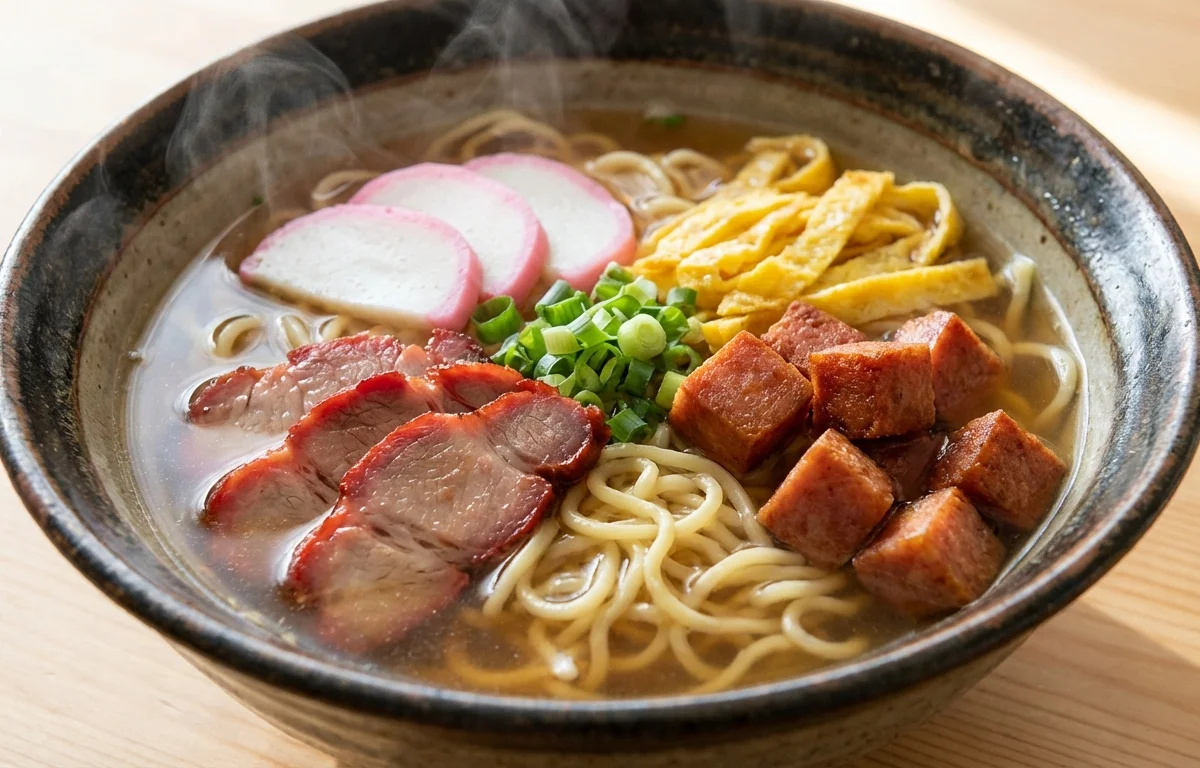
A soul-warming Hawaiian noodle soup that brings together springy egg noodles, a clear dashi-based broth, and a mix of savory toppings. Born in Hawaii's plantation era, this cross-cultural comfort dish blends Japanese, Chinese, and Filipino influences into a single bowl that's light yet deeply satisfying.
For 4 servings
- prep
Prepare the toppings.
1.Slice the spam into 8 thin rectangular pieces.2.Slice the fish cake into 8 rounds.3.Thinly slice the green onions.4.Cut the nori sheet into thin strips with scissors. - boil · ~6 min
Soft-boil the eggs.
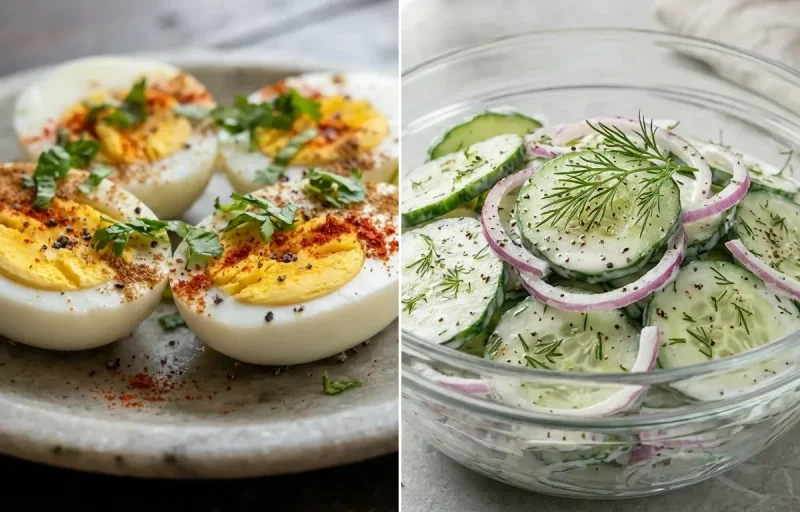
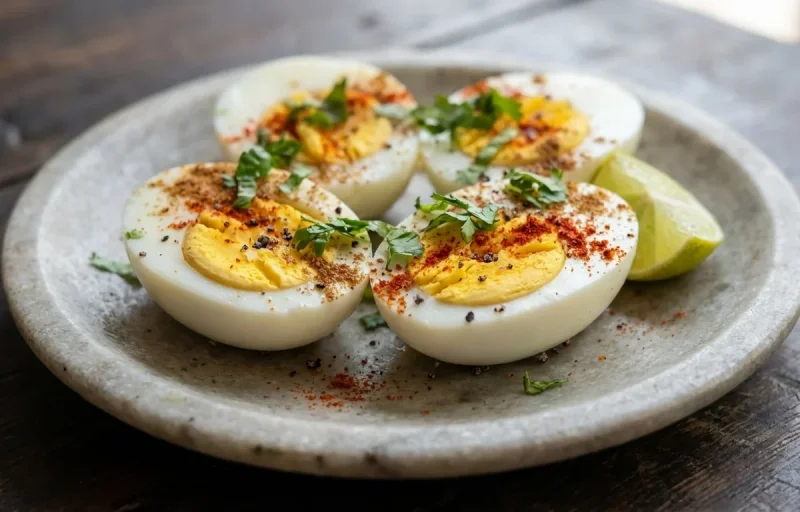
1.Bring a small pot of water to a rolling boil.2.Gently lower in the eggs and boil for exactly 6 minutes.3.Transfer eggs to an ice bath and let cool completely.4.Peel and cut each egg in half.TIPSix minutes gives you a jammy yolk that melts into the broth. Add one extra minute if you prefer fully set yolks. - fry · ~4 min
Pan-fry the spam slices.
1.Heat 1 tsp oil in a small skillet over medium heat.2.Add spam slices in a single layer.3.Fry until golden and crisp on both sides, about 2 minutes per side.4.Transfer to a plate lined with paper towels. - boil · ~3 min
Cook the saimin noodles.
1.Bring a medium pot of water to a boil.2.Add saimin noodles and cook according to package directions until just tender, about 2-3 minutes for fresh noodles.3.Drain in a colander and rinse briefly under warm water.4.Divide noodles evenly among 4 large bowls.TIPDon't overcook the noodles — they'll continue to soften in the hot broth. Rinsing removes excess starch so the broth stays clear. - boil · ~5 min
Make the dashi broth.
1.In a large pot, bring 6 cups of water to a boil.2.Add dashi powder, soy sauce, sliced ginger, and a pinch of salt.3.Reduce heat and simmer gently for 5 minutes to let the flavors meld.4.Remove the ginger slices before serving. - assemble
Assemble the bowls.
1.Ladle the hot broth over the noodles in each bowl.2.Top each bowl with 2 spam slices, 2 fish cake rounds, and 2 egg halves.3.Scatter green onions and nori strips over the top. - serve
Serve immediately with chopsticks and a soup spoon.
What to keep in mind.
7 tips from the recipe — small details that make a real difference to the final dish.
- 1Use fresh or frozen saimin noodles for the best chewy texture; dried noodles won’t give the same springy bite.
- 2Sear the spam until golden and crisp on both edges — this adds a salty, caramelized crunch that contrasts the broth.
- 3Rinse the cooked noodles under warm water to remove excess starch, keeping the broth clear and light.
- 4Simmer the dashi broth with ginger slices for exactly 5 minutes; longer can make the broth slightly bitter.
- 5Peel soft-boiled eggs under cold running water to avoid tearing the delicate whites.
- 6Assemble bowls just before serving so the noodles don’t soak up all the broth and become mushy.
- 7For a deeper savory note, add a tiny splash of toasted sesame oil to each bowl before pouring the broth.
Adapt it for your goals.
Vegetarian
Replace spam with pan-fried tofu or shiitake mushrooms, and use kombu-based dashi instead of dashi powder containing bonito flakes. Ideal for plant-based eaters.
low sodiumLow-sodium
Use reduced-sodium soy sauce and low-sodium spam (or substitute with grilled chicken) to cut salt without losing flavor.
extra proteinExtra protein
Add shredded cooked chicken, char siu pork, or shrimp alongside the spam for a heartier bowl.
spicySpicy
Stir a spoonful of sambal oelek or chili oil into each bowl before serving for a fiery kick.
Why this is on our healthy list.
Rich in Protein
Eggs, spam, and fish cake provide a good amount of protein to help keep you full and support muscle health.
Source of Iodine
Nori (dried seaweed) is naturally rich in iodine, which supports thyroid function.
Contains B Vitamins
Eggs are a reliable source of B vitamins, including B12 and riboflavin, important for energy metabolism.
Frequently asked questions
Yes, but the texture will be different — saimin noodles are thicker and more springy. If using dried ramen, cook them slightly less than al dente to avoid mushiness.