legume1 recipes
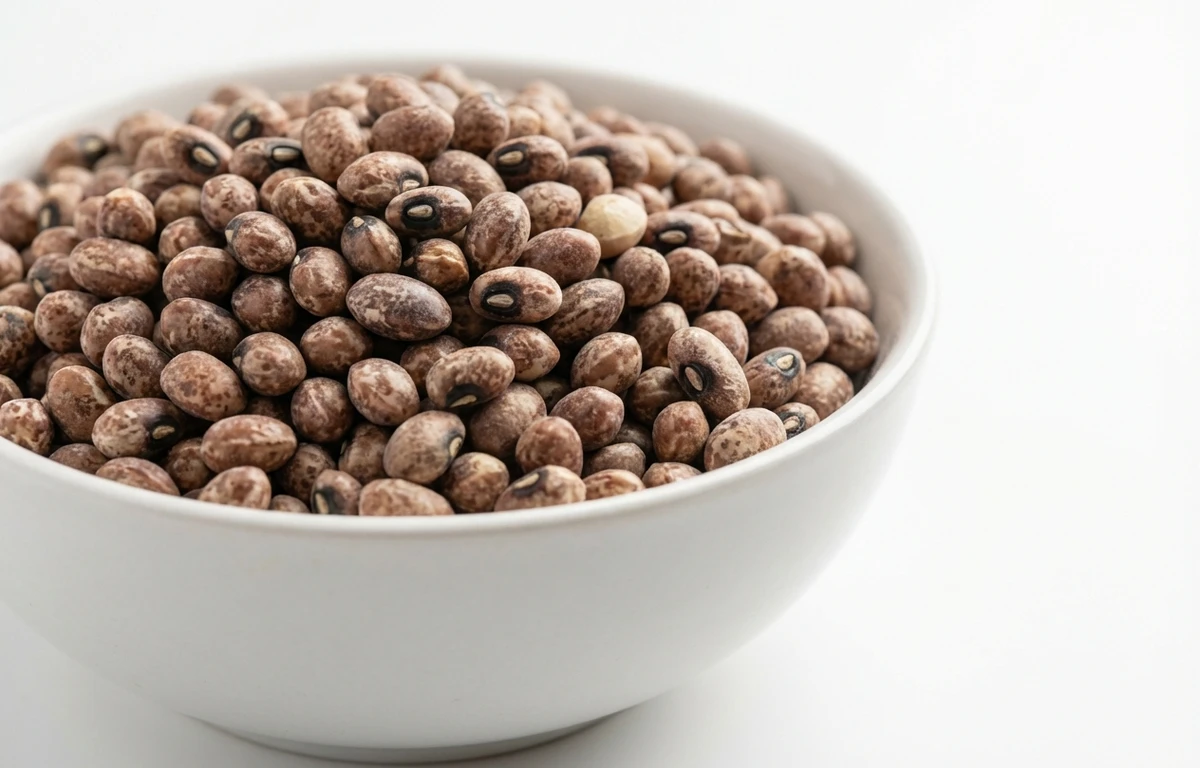
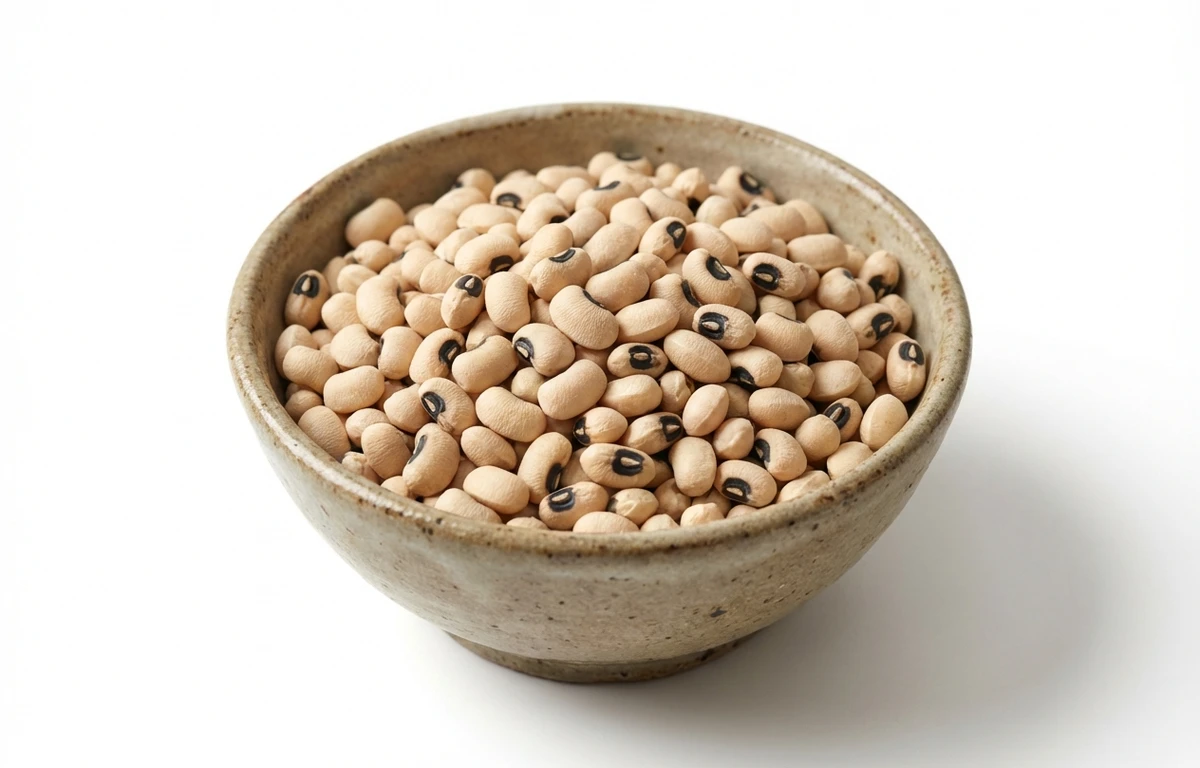
karamani.
VegetarianVeganGluten-freeDairy-freeNut-freePeanut-freeSoy-freeEgg-freeShellfish-freeHoney-freeAlcohol-free
SERVING
CALORIES
116
PROTEIN
7.9g
CARBS
21.4g
FAT
0.53g
FIBER
7.5g
NUTRITION PROFILE · per 100 g
Everything in this ingredient.
MACRONUTRIENTS
Calories116kcal—
Protein7.9g16%
Carbohydrates21.4g8%
Fiber7.5g27%
Sugar3.9g8%
Total fat0.53g1%
Saturated fat0.14g1%
Trans fat0g—
Cholesterol0mg0%
Water68.6g—
MINERALS
Sodium4.0mg0%
Potassium278mg6%
Calcium25mg2%
Iron2.5mg14%
Magnesium44mg10%
Phosphorus194mg16%
Zinc1.1mg10%
Copper0.16mg18%
Manganese0.38mg17%
Selenium2.5µg5%
VITAMINS
Vitamin A1.0µg0%
Vitamin C0.40mg0%
Vitamin D0µg0%
Vitamin E0.04mg0%
Vitamin K2.3µg2%
Thiamin (B1)0.18mg15%
Riboflavin (B2)0.06mg5%
Niacin (B3)0.37mg2%
Pantothenic acid (B5)0.32mg6%
Vitamin B60.07mg4%
Folate (B9)172µg43%
Vitamin B120µg0%
%DV based on a 2,000 cal diet. Source: USDA FoodData Central. A dash in the %DV column means there’s no established Daily Value for that nutrient.
MEASUREMENT CONVERSIONS
How much is what.
1 cup205g
1 tablespoon13g
1 teaspoon4g
HEALTH BENEFITS
Why eat it.
- ✓Rich in dietary fiber, which promotes digestive health and helps regulate blood sugar levels.
- ✓Excellent source of plant-based protein, crucial for muscle building and repair.
- ✓High in folate, a B-vitamin essential for DNA synthesis and cell growth, particularly important during pregnancy.
- ✓Contains soluble fiber that can help lower LDL cholesterol, supporting cardiovascular health.
COOKING TIPS
In the kitchen.
- 1Soak dried karamani for at least 4-6 hours or overnight in water to shorten cooking time and improve digestibility.
- 2Pressure cooking is the quickest method; typically takes 10-15 minutes after the first whistle on medium heat.
- 3Pairs well with coconut, tamarind, and spices like mustard seeds, cumin, and asafoetida in South Indian dishes like sundal and kuzhambu.
- 4Do not add salt or acidic ingredients like tomatoes until the beans are tender, as they can prevent them from softening properly.
STORAGE
Keep it fresh.
- Store dried karamani in an airtight container in a cool, dark, and dry place for up to one year.
- Once cooked, store in an airtight container in the refrigerator for up to 4 days or freeze for up to 6 months.
FAQ
Frequently asked questions.
Is karamani healthy?
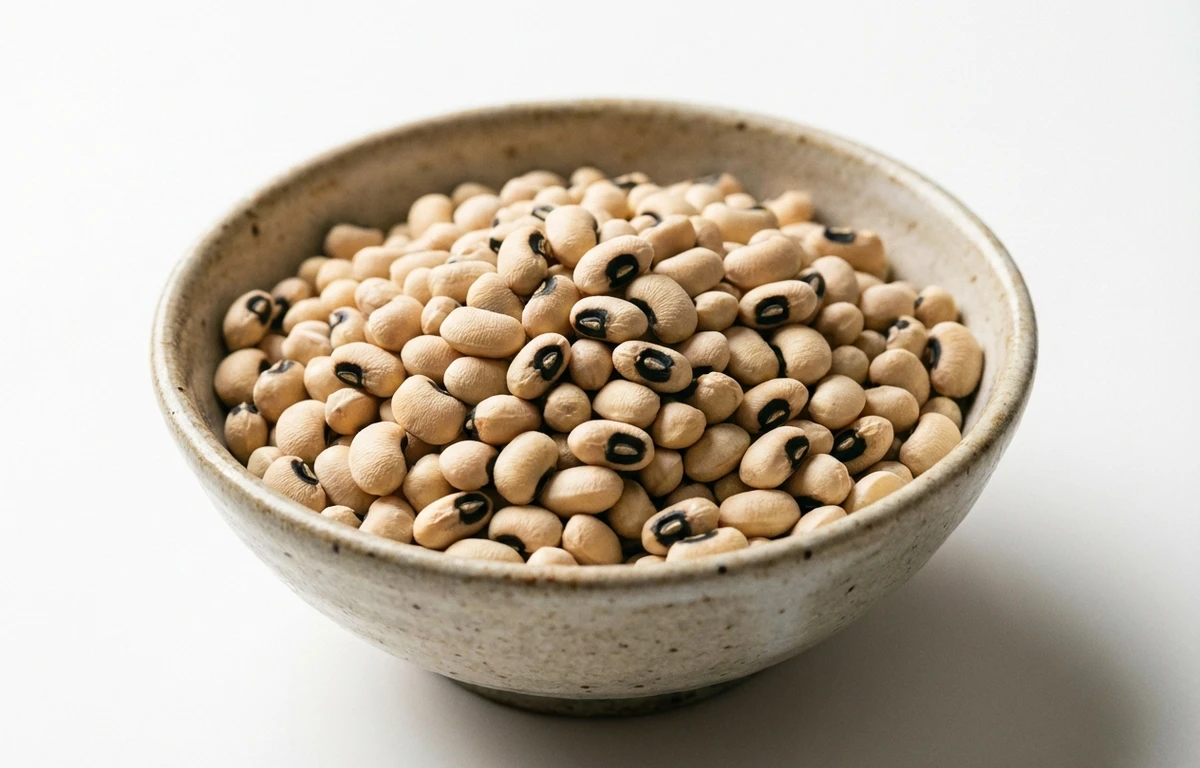
Yes, karamani (also known as black-eyed peas) is very healthy. It's packed with dietary fiber, plant-based protein, and essential nutrients like folate, contributing to digestive health, muscle maintenance, and cardiovascular well-being.
What are the nutritional benefits of karamani?
Karamani is rich in dietary fiber, aiding digestion and blood sugar regulation. It provides a good source of plant-based protein for muscle repair and growth. Additionally, it's high in folate, crucial for cell development, and contains soluble fiber that helps lower LDL cholesterol.
How much protein, calories, and carbs are in karamani?
Per 100g of cooked karamani, there are approximately 116 calories, 7.86g of protein, and 21.45g of carbohydrates. It also contains a very low amount of fat, around 0.53g.
Is karamani good for weight loss?
Yes, karamani can be beneficial for weight loss. Its high fiber and protein content promote satiety, helping you feel full longer and reducing overall calorie intake. It's also low in fat and relatively low in calories per serving.
Is karamani vegan and gluten-free?
Yes, karamani is naturally vegan and gluten-free. As a legume, it is a plant-based food, making it an excellent protein source for those following plant-based diets and suitable for individuals with celiac disease or gluten sensitivity.
Can diabetics eat karamani?
Yes, karamani is a good choice for diabetics. Its high fiber content helps regulate blood sugar levels by slowing down glucose absorption. It also has a low glycemic index, contributing to more stable blood sugar management.
How do you cook karamani?
Dried karamani typically requires soaking for a few hours or overnight to reduce cooking time and improve digestibility. After soaking, drain and rinse, then boil in fresh water until tender, usually 45-60 minutes. Canned karamani is pre-cooked and only needs rinsing before use.
What does karamani taste like and how is it used?
Karamani has a mild, earthy, and slightly nutty flavor with a creamy texture when cooked. It's versatile and commonly used in stews, soups, salads, curries, and as a side dish, particularly in Southern US and Indian cuisines.
How do you store karamani?
Dried karamani should be stored in an airtight container in a cool, dark, and dry place. Cooked karamani should be refrigerated in a sealed container and consumed within 3-4 days, or frozen for longer storage.
How long does karamani last?
Dried karamani can last for 1-2 years if stored properly in a cool, dry place, though quality may diminish over time. Cooked karamani lasts 3-4 days in the refrigerator and up to 3 months in the freezer.
RECIPES
Cook with karamani.
1 recipes · sorted by what’s quick
SAME CATEGORY