karathe
Also known as:
Loading...
Also known as:
Per 100g
Nutrition data source: USDA FoodData Central
Karathe is low in calories (17 cal per 100g) and fat (0.17g). It provides 1g of protein and 3.7g of carbohydrates per 100g. It's an excellent source of Vitamin C, which boosts immunity, and contains antioxidants and dietary fiber for overall health and digestion.
Yes, karathe is often recommended for diabetics. It contains compounds with insulin-like properties that may help regulate blood sugar levels. However, it should not replace prescribed medication, and consumption should be discussed with a healthcare professional.
Yes, karathe is naturally a vegetable, making it both vegan and gluten-free. It's a suitable ingredient for individuals following plant-based or gluten-free diets.
Yes, karathe is considered keto-friendly due to its very low carbohydrate content (3.7g per 100g). It can be incorporated into a ketogenic diet as a nutritious vegetable option.
To reduce bitterness, slice karathe, sprinkle with salt, and let it sit for 20-30 minutes. Then, squeeze out the excess water before cooking. Blanching it briefly in boiling water can also help.
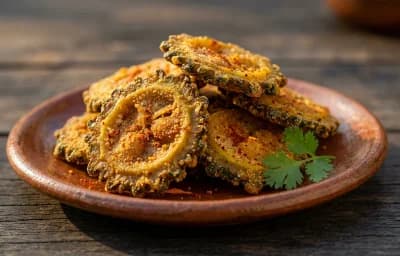
Karathe can be stir-fried, stuffed, curried, or deep-fried. Popular preparations include stir-fries with spices, stuffed karathe with a savory filling, or adding it to lentil stews. Pre-treating to reduce bitterness is often recommended.
Store fresh karathe in a plastic bag in the refrigerator's crisper drawer. It typically stays fresh for about 5-7 days. Avoid washing it until just before use to prolong its shelf life.
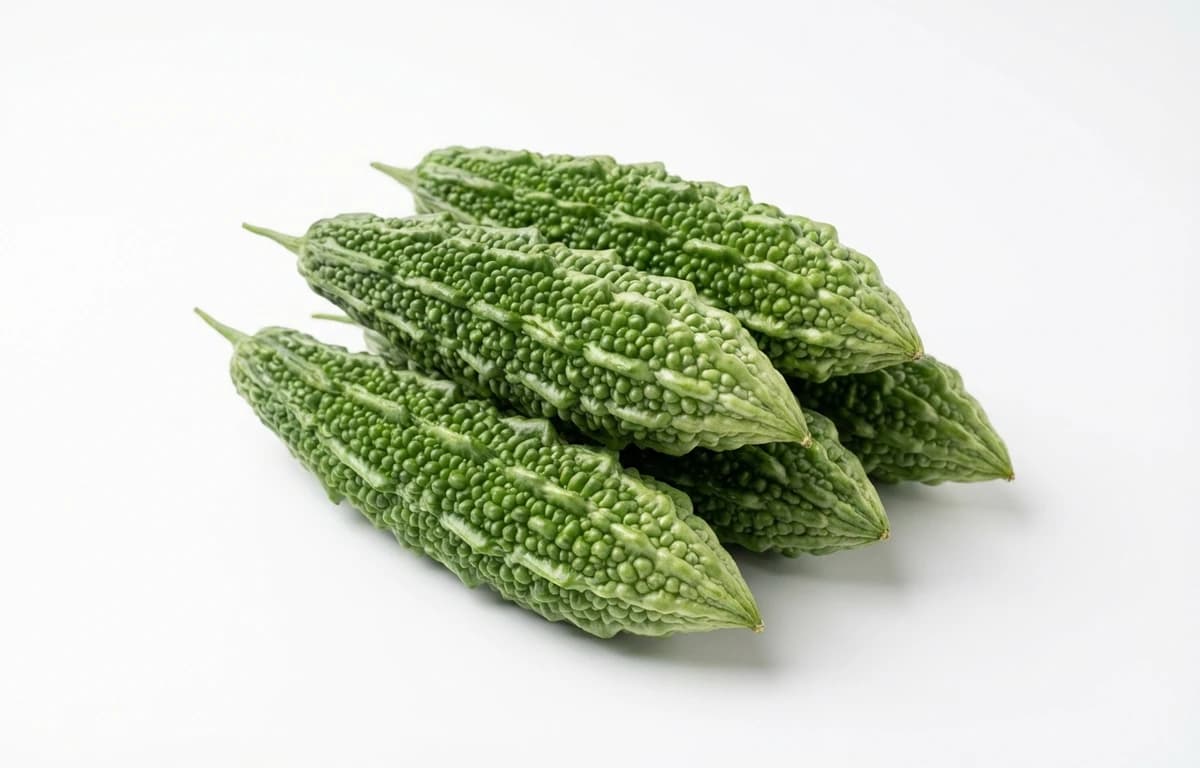
karathe is a versatile ingredient found in cuisines around the world. With 17 calories per 100g and 1 grams of protein, it's a nutritious addition to many dishes.
Explore more ingredients in the vegetable category with complete nutrition information.
View all vegetable →Karathe has a distinctively bitter taste, which is its defining characteristic. The level of bitterness can vary, but it's often balanced with other strong flavors like spices, onions, or tomatoes in cooking.
While technically edible raw, karathe's intense bitterness makes it less commonly consumed uncooked. It's sometimes juiced with other fruits or vegetables to mask the bitterness, but cooking is the preferred method for most preparations.