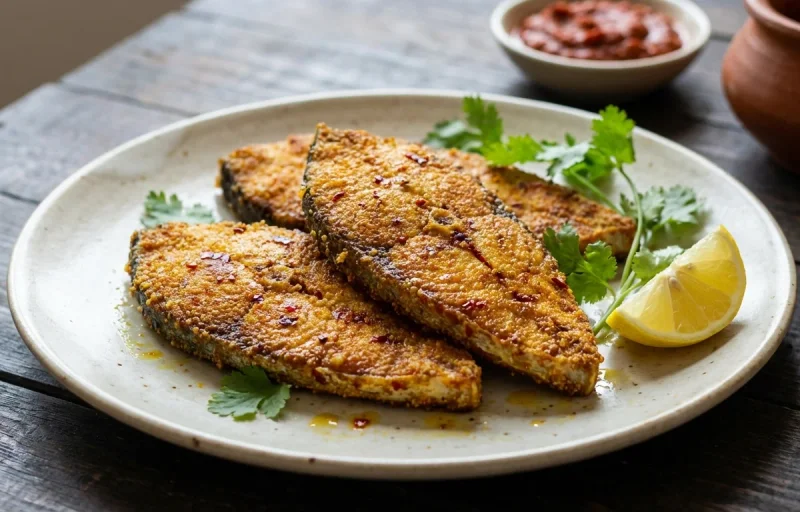
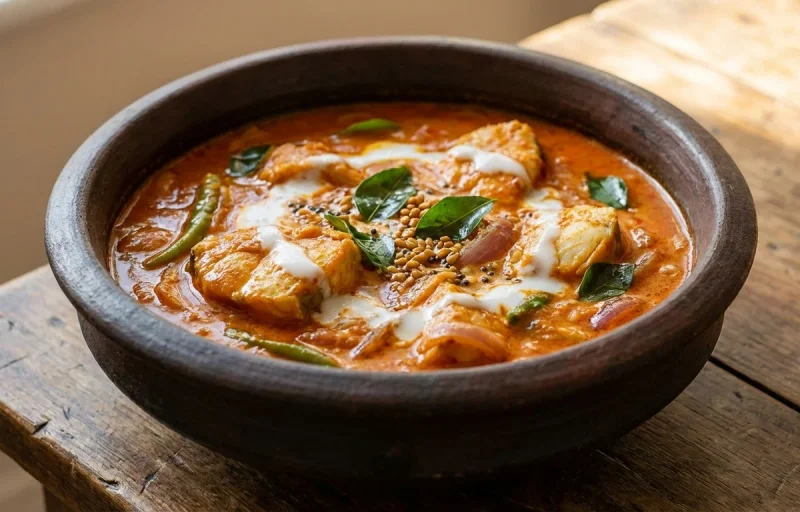
Protein10 recipes
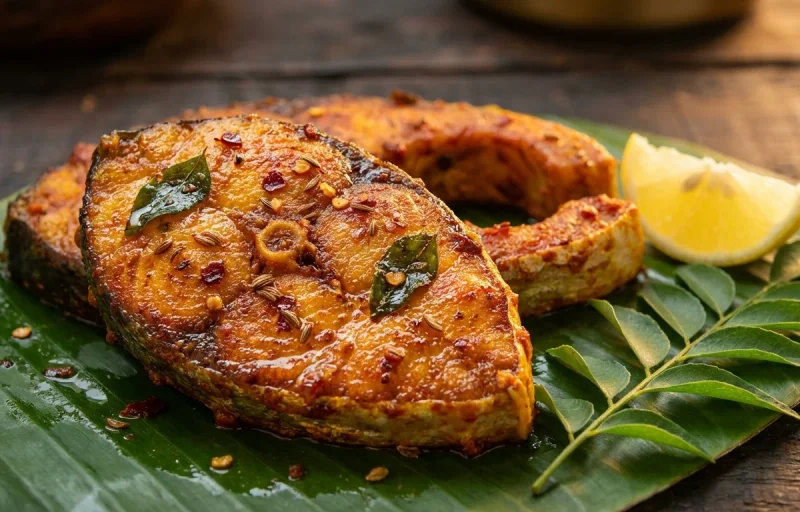
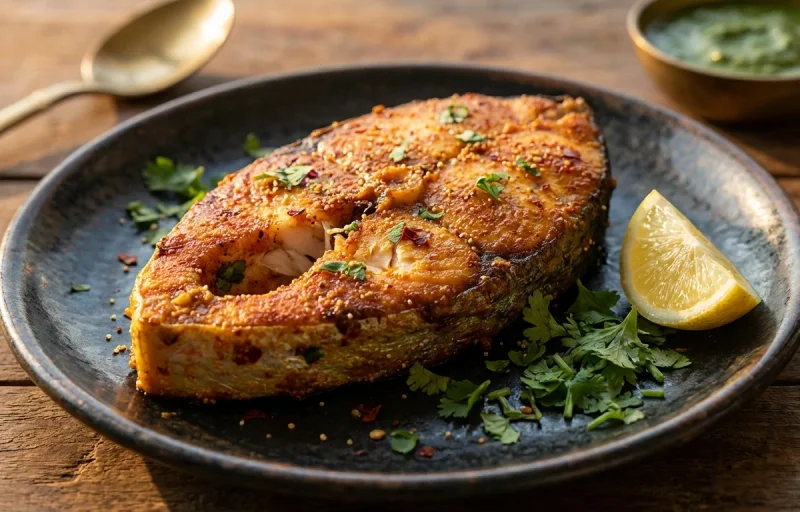
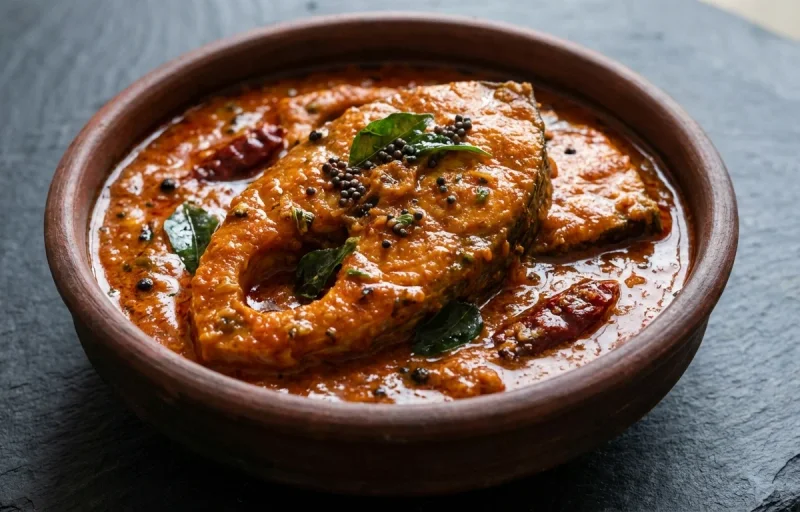
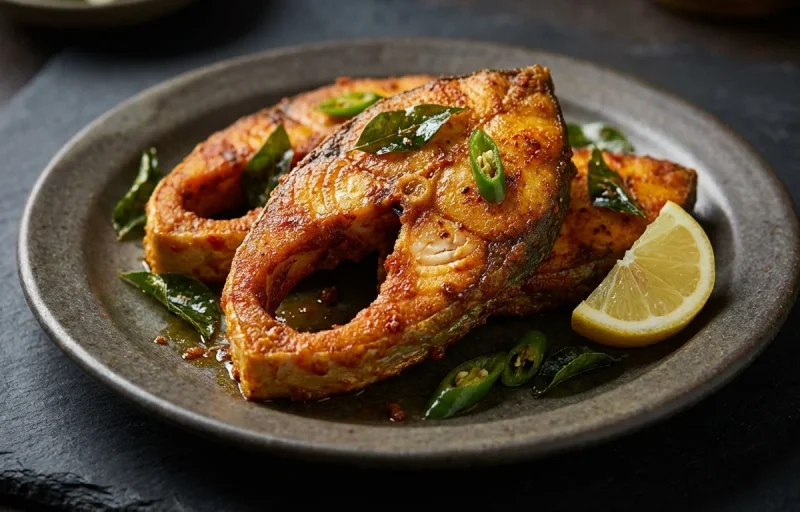
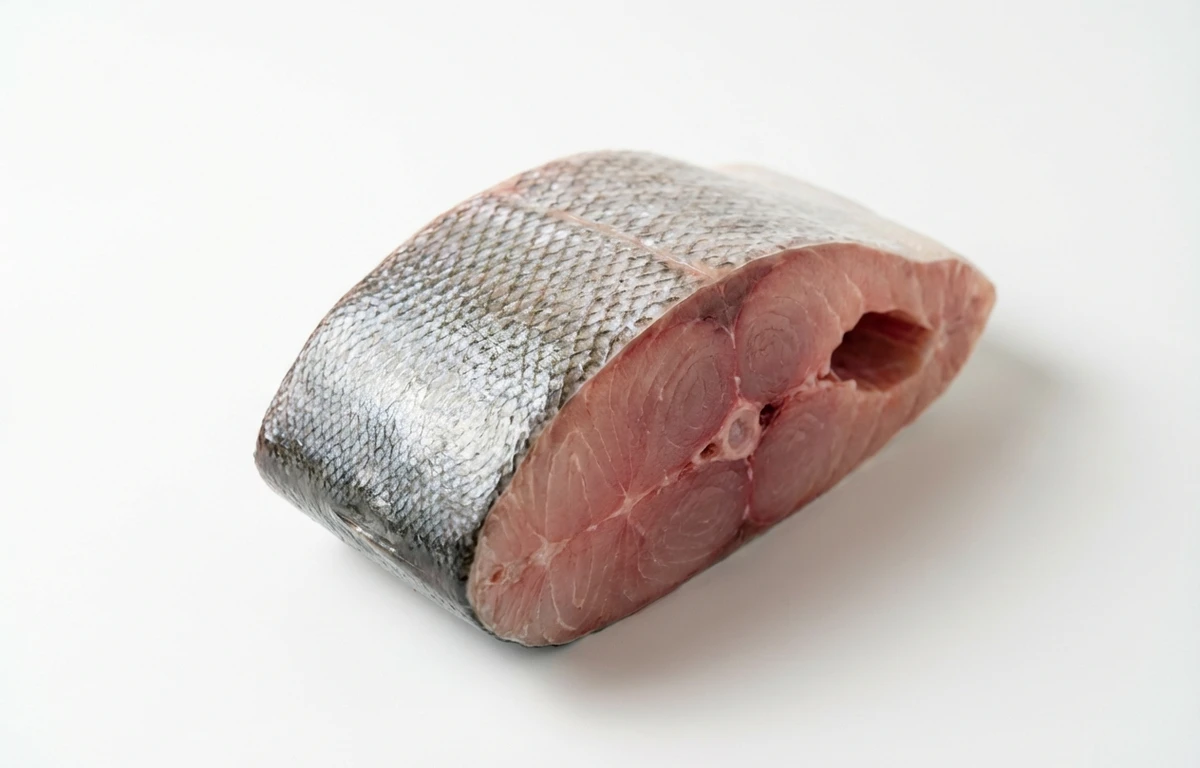
king fish.
VegetarianVeganGluten-freeDairy-freeNut-freePeanut-freeSoy-freeEgg-freeShellfish-freeHoney-freeAlcohol-free
ALSO KNOWN AS
anjal fishseer fishking mackerelvanjaram
SERVING
CALORIES
105
PROTEIN
20.3g
CARBS
0g
FAT
2.6g
FIBER
0g
NUTRITION PROFILE · per 100 g
Everything in this ingredient.
MACRONUTRIENTS
Calories105kcal—
Protein20.3g41%
Carbohydrates0g0%
Fiber0g0%
Sugar0g0%
Total fat2.6g3%
Saturated fat0.70g3%
Trans fat0g—
Cholesterol52mg17%
Water76.1g—
MINERALS
Sodium85mg4%
Potassium446mg9%
Calcium15mg1%
Iron1.6mg9%
Magnesium33mg8%
Phosphorus220mg18%
Zinc0.60mg5%
Copper0.06mg7%
Manganese0.02mg1%
Selenium36.5µg66%
VITAMINS
Vitamin A38µg4%
Vitamin C0mg0%
Vitamin D12.5µg63%
Vitamin E0.70mg5%
Vitamin K0.10µg0%
Thiamin (B1)0.13mg11%
Riboflavin (B2)0.17mg13%
Niacin (B3)9.1mg57%
Pantothenic acid (B5)0.75mg15%
Vitamin B60.40mg24%
Folate (B9)2.0µg1%
Vitamin B128.9µg371%
%DV based on a 2,000 cal diet. Source: USDA FoodData Central. A dash in the %DV column means there’s no established Daily Value for that nutrient.
MEASUREMENT CONVERSIONS
How much is what.
1 cup140g
1 tablespoon8.8g
1 teaspoon2.9g
1 ml0.6g
1 liter583.3g
1 piece150g
HEALTH BENEFITS
Why eat it.
- ✓Excellent source of omega-3 fatty acids (EPA and DHA), which support heart health and brain function.
- ✓Rich in high-quality, complete protein essential for muscle building and repair.
- ✓Provides significant amounts of Vitamin D and B12, crucial for bone health and nerve function, respectively.
- ✓Good source of the antioxidant mineral selenium, which helps protect cells from damage.
COOKING TIPS
In the kitchen.
- 1King fish has a firm, steak-like texture, making it excellent for grilling, broiling, and baking.
- 2Its rich, oily flavor pairs well with acidic and bold marinades using citrus, garlic, and herbs like dill or cilantro.
- 3Cook until the internal temperature reaches 145°F (63°C) or the flesh turns opaque and flakes easily. Do not overcook to avoid dryness.
- 4Due to high mercury levels, consumption should be limited, especially for pregnant women, nursing mothers, and young children.
STORAGE
Keep it fresh.
- Store fresh king fish in the coldest part of the refrigerator (below 40°F or 4°C) and use within 1-2 days.
- For freezing, wrap tightly in plastic wrap and then foil or a freezer bag. It can be stored at 0°F (-18°C) for up to 3 months.
FAQ
Frequently asked questions.
Is king fish healthy?
Yes, king fish is very healthy. It's an excellent source of lean protein, omega-3 fatty acids, and essential vitamins like D and B12, supporting heart, brain, and bone health. Its low-calorie and low-carb profile also makes it a nutritious choice.
What are the nutritional benefits of king fish?
King fish is rich in omega-3 fatty acids (EPA and DHA) which are vital for heart and brain health. It provides high-quality protein for muscle repair, and significant amounts of Vitamin D and B12 for bone strength and nerve function. It also contains selenium, an important antioxidant.
How much protein, calories, and fat are in king fish?
Per 100g serving, king fish contains approximately 105 calories, 20.3g of protein, and 2.6g of fat. It has 0g of carbohydrates, making it a lean and protein-rich food.
Is king fish keto-friendly or low-carb?
Absolutely, king fish is an excellent choice for keto and low-carb diets. It contains 0g of carbohydrates per 100g serving, along with healthy fats and high protein, making it ideal for maintaining ketosis.
Is king fish safe for pregnant women or children?
Due to its higher mercury content, king mackerel (a type of king fish) is generally advised to be avoided by pregnant women, nursing mothers, and young children. It's best to consult local advisories or choose fish lower in mercury for these populations.
How do you cook king fish?
King fish is versatile and can be grilled, baked, pan-fried, or broiled. Its firm, meaty texture holds up well to various cooking methods. Ensure it's cooked until the flesh is opaque and flakes easily, typically to an internal temperature of 145°F (63°C).
What does king fish taste like?
King fish has a firm, meaty texture with a moderately strong, distinct flavor. It's not overly 'fishy' but has a richer taste compared to milder white fish. Its oiliness contributes to its flavor and moistness.
How do you store king fish?
Fresh king fish should be stored in the coldest part of your refrigerator, ideally on ice, and consumed within 1-2 days. For longer storage, wrap it tightly in plastic wrap and then foil, and freeze for up to 3-6 months.
How do you know if king fish is fresh?
Look for king fish with clear, bulging eyes, bright red gills, and shiny, firm flesh that springs back when lightly pressed. Avoid fish with dull eyes, discolored gills, or a strong, unpleasant odor.
Does king fish contain mercury?
Yes, king fish, particularly king mackerel, is known to contain higher levels of mercury compared to smaller fish. This is due to its position as a larger, predatory fish. Consumption should be limited, especially for vulnerable populations.
RECIPES
Cook with king fish.
10 recipes · sorted by what’s quick