
Other10 recipes
kiwi.
VegetarianVeganGluten-freeDairy-freeNut-freePeanut-freeSoy-freeEgg-freeShellfish-freeHoney-freeAlcohol-free
ALSO KNOWN AS
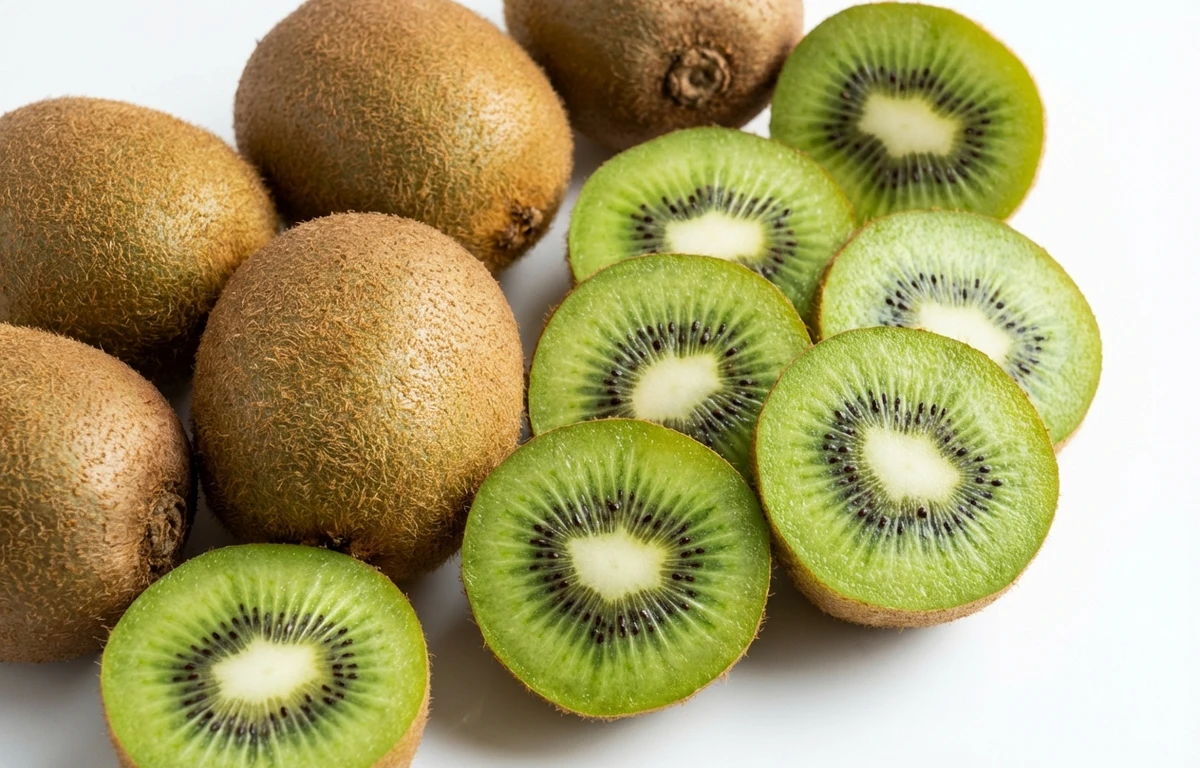
kiwifruitChinese gooseberrykiwigreen kiwiActinidia deliciosaraw green kiwifruit
SERVING
CALORIES
61
PROTEIN
1.1g
CARBS
14.7g
FAT
0.50g
FIBER
3.0g
This ingredient is flagged as naturally gluten-free. Per 100 g, it provides 40.3 µg of vitamin K.
NUTRITION PROFILE · per 100 g
Everything in this ingredient.
MACRONUTRIENTS
Calories61kcal—
Protein1.1g2%
Carbohydrates14.7g5%
Fiber3.0g11%
Sugar9.0g18%
Total fat0.50g1%
Saturated fat0.03g0%
Trans fat0g—
Cholesterol0mg0%
Water83.1g—
MINERALS
Sodium3.0mg0%
Potassium312mg7%
Calcium34mg3%
Iron0.30mg2%
Magnesium17mg4%
Phosphorus34mg3%
Zinc0.14mg1%
Copper0.13mg14%
Manganese0.10mg4%
Selenium0.20µg0%
VITAMINS
Vitamin A4.0µg0%
Vitamin C92.7mg103%
Vitamin D0µg0%
Vitamin E1.5mg10%
Vitamin K40.3µg34%
Thiamin (B1)0.03mg3%
Riboflavin (B2)0.03mg2%
Niacin (B3)0.34mg2%
Pantothenic acid (B5)0.18mg4%
Vitamin B60.06mg4%
Folate (B9)25µg6%
Vitamin B120µg0%
%DV based on a 2,000 cal diet. Source: USDA FoodData Central. A dash in the %DV column means there’s no established Daily Value for that nutrient.
MEASUREMENT CONVERSIONS
How much is what.
1 cup180g
1 tablespoon11.3g
1 teaspoon3.8g
1 ml0.8g
1 liter750g
1 piece76g
HEALTH BENEFITS
Why eat it.
- ✓High in dietary fiber, which aids digestion, promotes regular bowel movements, and supports a healthy gut microbiome.
- ✓Contains the enzyme actinidin, which helps break down proteins and can ease feelings of bloating or indigestion after a protein-rich meal.
COOKING TIPS
In the kitchen.
- 1The enzyme actinidin in raw kiwi is an effective meat tenderizer; use it in marinades for no more than 15-20 minutes to prevent the meat from becoming mushy.
- 2Actinidin also prevents gelatin from setting. If using kiwi in gelatin-based desserts, briefly cook the fruit first to deactivate the enzyme.
- 3The fuzzy brown skin is edible and a good source of fiber and folate. For a less fuzzy experience, choose golden kiwis or scrub green kiwis well before eating whole.
- 4For easy eating, simply slice the kiwi in half crosswise and scoop out the flesh with a spoon.
STORAGE
Keep it fresh.
- Store unripe kiwis at room temperature away from direct sunlight until they yield to gentle pressure, which can take 3-5 days.
- Once ripe, transfer kiwis to the refrigerator in a plastic bag, where they will stay fresh for up to two weeks.
FAQ
Frequently asked questions.
How many calories and carbs are in a kiwi?
Per 100g, kiwi contains approximately 61 calories and 14.7g of carbohydrates. It also provides about 1.1g of protein and 0.5g of fat, making it a relatively low-calorie and nutrient-dense fruit.
Is kiwi good for digestion?
Yes, kiwi is excellent for digestion. It's high in dietary fiber, which aids in regular bowel movements and supports a healthy gut. Furthermore, kiwi contains the enzyme actinidin, which helps break down proteins, potentially easing indigestion and bloating after meals.
Is kiwi keto-friendly?
Kiwi is generally not considered keto-friendly due to its carbohydrate content. At 14.7g of carbs per 100g, a single kiwi can quickly exceed the strict daily carb limits of a ketogenic diet. Small portions might be acceptable for some, but it's not ideal for strict keto.
How do you eat a kiwi, and do you need to peel it?
Kiwi can be eaten by slicing it in half and scooping out the flesh with a spoon, or by peeling the skin and then slicing or dicing it. While the fuzzy skin is edible and contains extra fiber, many prefer to peel it due to its texture.
What does kiwi taste like?
Kiwi has a unique sweet and tart flavor, often described as a mix between strawberries, bananas, and pineapples. It has a soft, juicy green flesh with tiny, edible black seeds that add a slight crunch.
How do you store kiwi, and how do you know if it's ripe?
Unripe kiwis can be stored at room temperature to ripen, which usually takes a few days. Once ripe, or if already ripe when purchased, store kiwis in the refrigerator for up to 1-2 weeks. A ripe kiwi will yield slightly to gentle pressure, similar to a ripe peach.
Can kiwi cause allergies?
Yes, kiwi can cause allergic reactions in some individuals, particularly those with oral allergy syndrome or allergies to latex, birch pollen, or other fruits like avocados or bananas. Symptoms can range from mild itching in the mouth to more severe reactions like swelling or difficulty breathing.
RECIPES
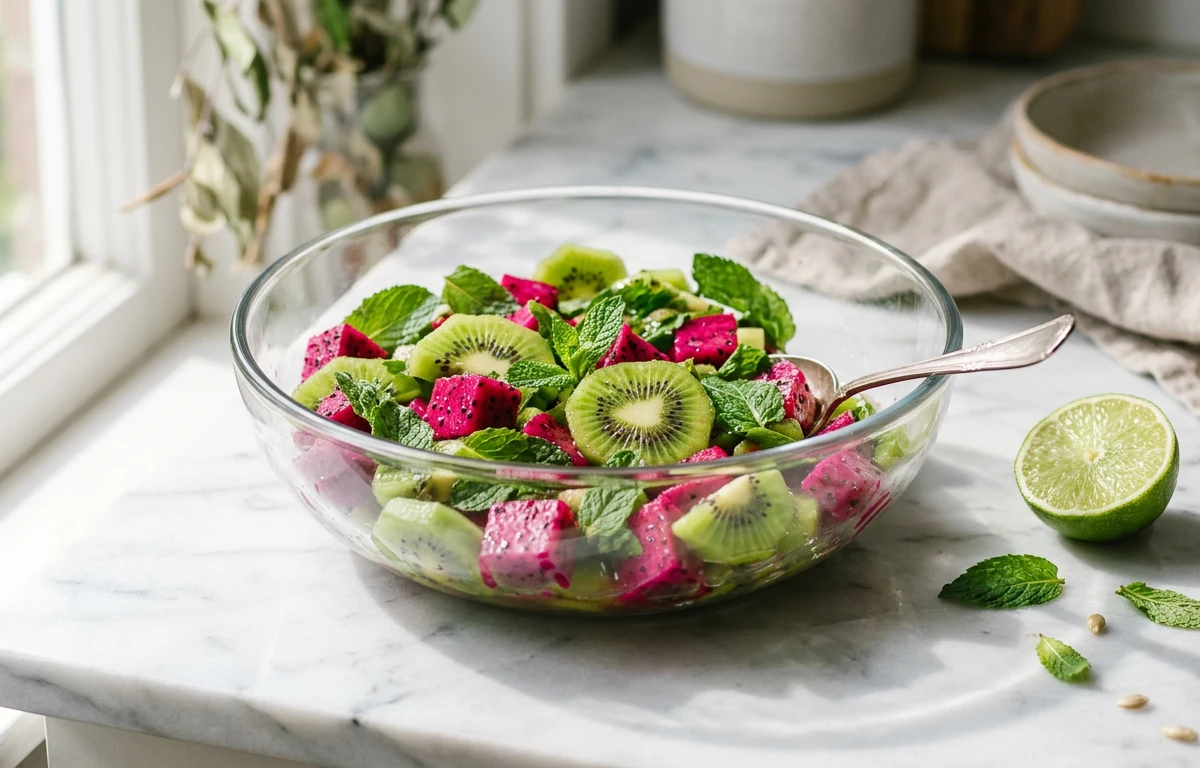
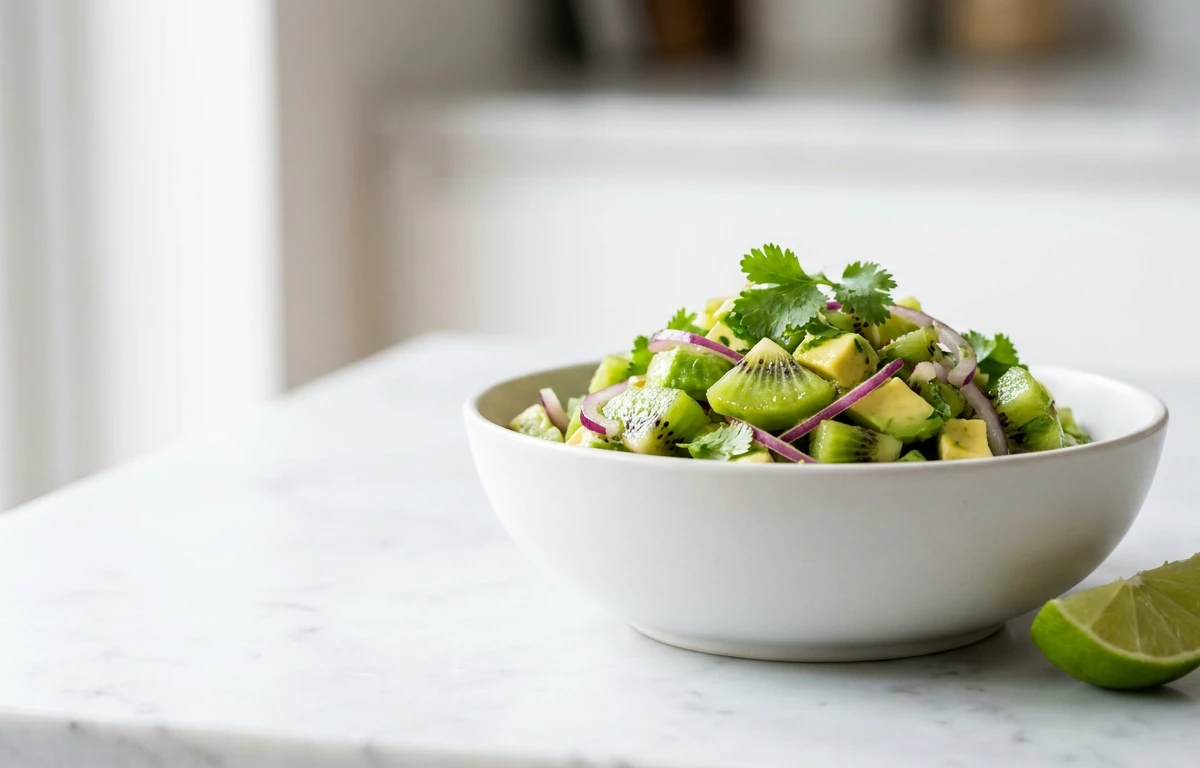
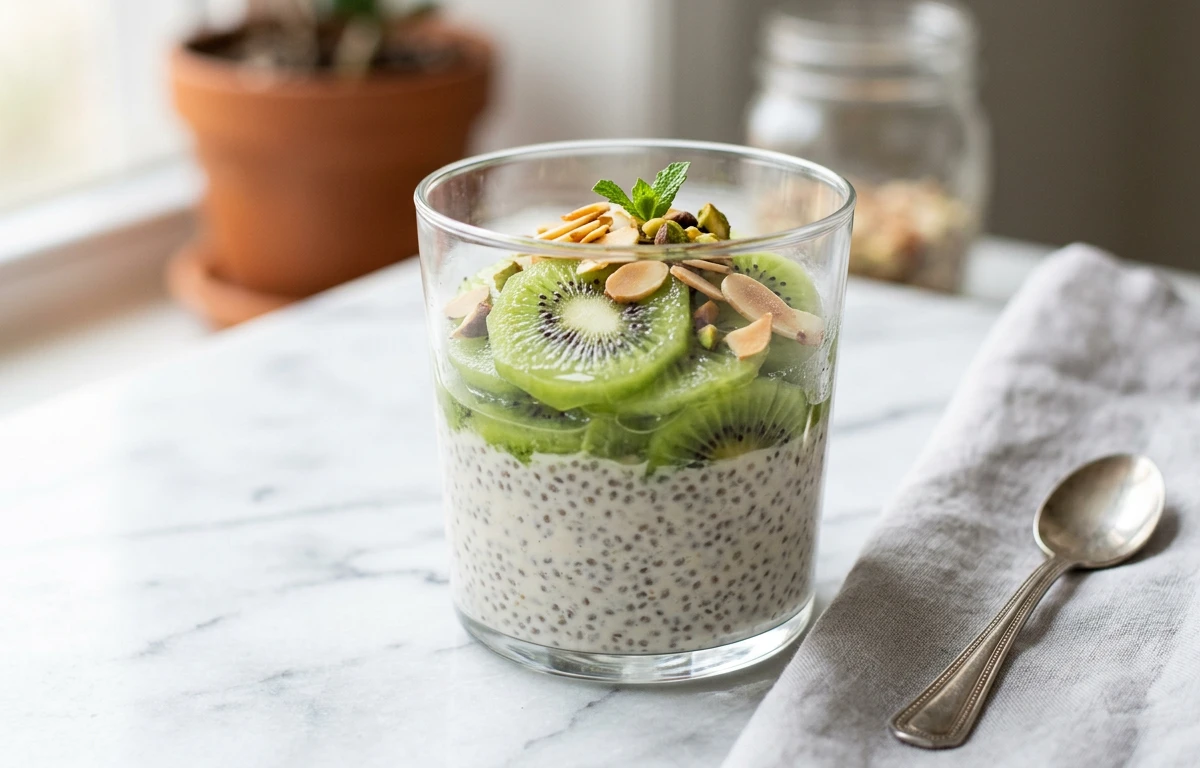
Cook with kiwi.
10 recipes · sorted by what’s quick

RELATED GUIDES



















