
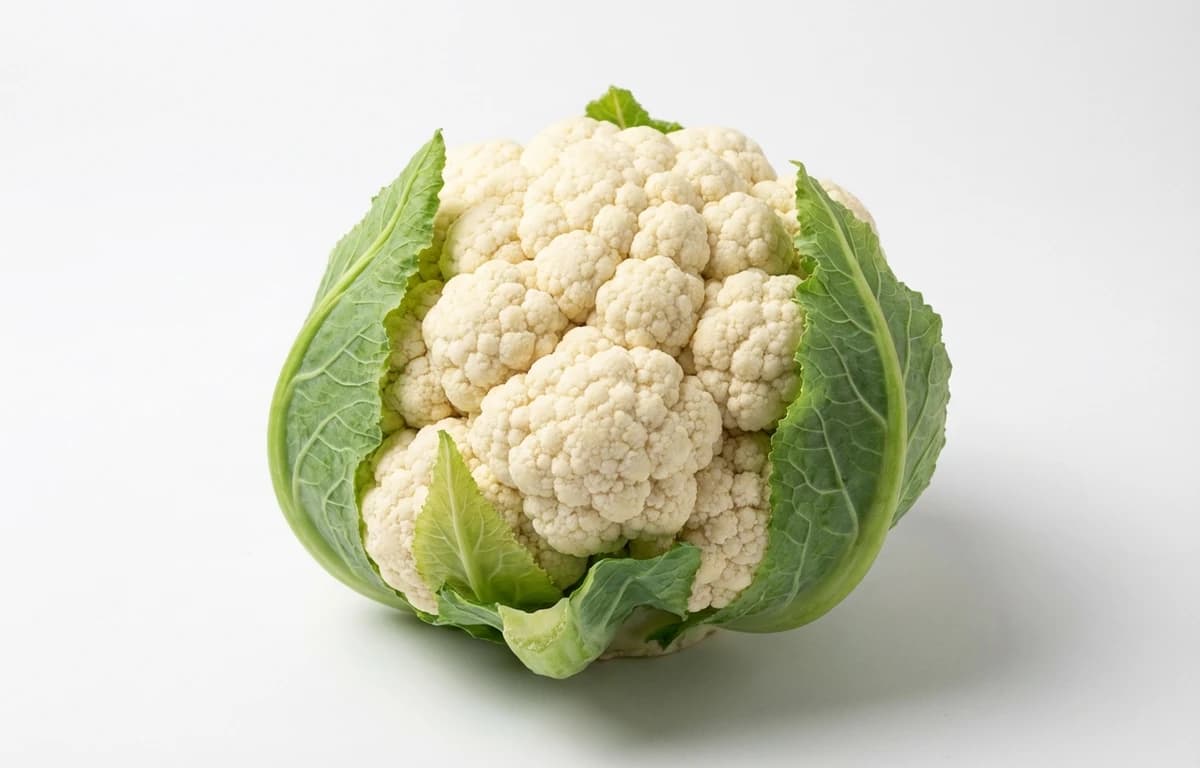
kol phool
Also known as:
Loading...
Also known as:
Per 100g
Nutrition data source: USDA FoodData Central

A simple and delicious Maharashtrian-style cauliflower stir-fry. Tender cauliflower florets are cooked with classic spices like mustard seeds and goda masala, finished with fresh coconut. A perfect side for roti or dal rice.

Crispy, savory fritters made from tender banana blossom, fragrant spices, and chickpea flour. A beloved Bengali snack, perfect with a cup of chai on a rainy afternoon.
Yes, kol phool is very healthy. It's rich in dietary fiber, antioxidants like flavonoids and phenolic acids, and essential minerals such as potassium, magnesium, and iron. These nutrients support digestion, heart health, and help combat oxidative stress in the body.
Kol phool is low in calories (51 cal per 100g) and fat (0.6g), making it a light vegetable. It provides a good amount of dietary fiber (9.9g carbs, much of which is fiber), which aids digestion and blood sugar management. It also contains antioxidants and essential minerals like potassium, magnesium, and iron.
Yes, kol phool can be beneficial for weight loss. It is low in calories and fat, yet high in dietary fiber, which promotes satiety and aids digestion. Including fiber-rich vegetables like kol phool can help you feel full longer and manage overall calorie intake.
Yes, as a natural vegetable, kol phool is inherently vegan and gluten-free. It is suitable for individuals following plant-based diets or those with gluten sensitivities and celiac disease.
Yes, kol phool is a good choice for diabetics. Its high dietary fiber content helps regulate blood sugar levels by slowing down glucose absorption. It's also low in calories and carbohydrates, making it a healthy addition to a diabetic-friendly diet.
Kol phool is versatile and can be cooked in various ways. It's often stir-fried, added to curries, or used in stews. Before cooking, it's usually cleaned thoroughly and sometimes blanched to reduce any potential bitterness.
Kol phool typically has a mild, slightly bitter taste, which can vary in intensity depending on its freshness and preparation. When cooked, its flavor often mellows and can absorb the spices and seasonings it's prepared with, making it a good base for various dishes.
kol phool is a versatile ingredient found in cuisines around the world. With 51 calories per 100g and 1.6 grams of protein, it's a nutritious addition to many dishes.
Explore more ingredients in the vegetable category with complete nutrition information.
View all vegetable →To keep kol phool fresh, store it in a perforated plastic bag in the crisper drawer of your refrigerator. It generally stays fresh for about 3-5 days. Wash it just before use to prolong its shelf life.
While some vegetables can be eaten raw, kol phool is generally recommended to be cooked. Cooking helps to soften its texture, reduce any potential bitterness, and make it more palatable and digestible.
Beyond its nutritional value, kol phool has been traditionally used in some cultures for specific health purposes. It is believed to support lactation in nursing mothers and may help manage certain menstrual issues due to its rich nutrient profile.