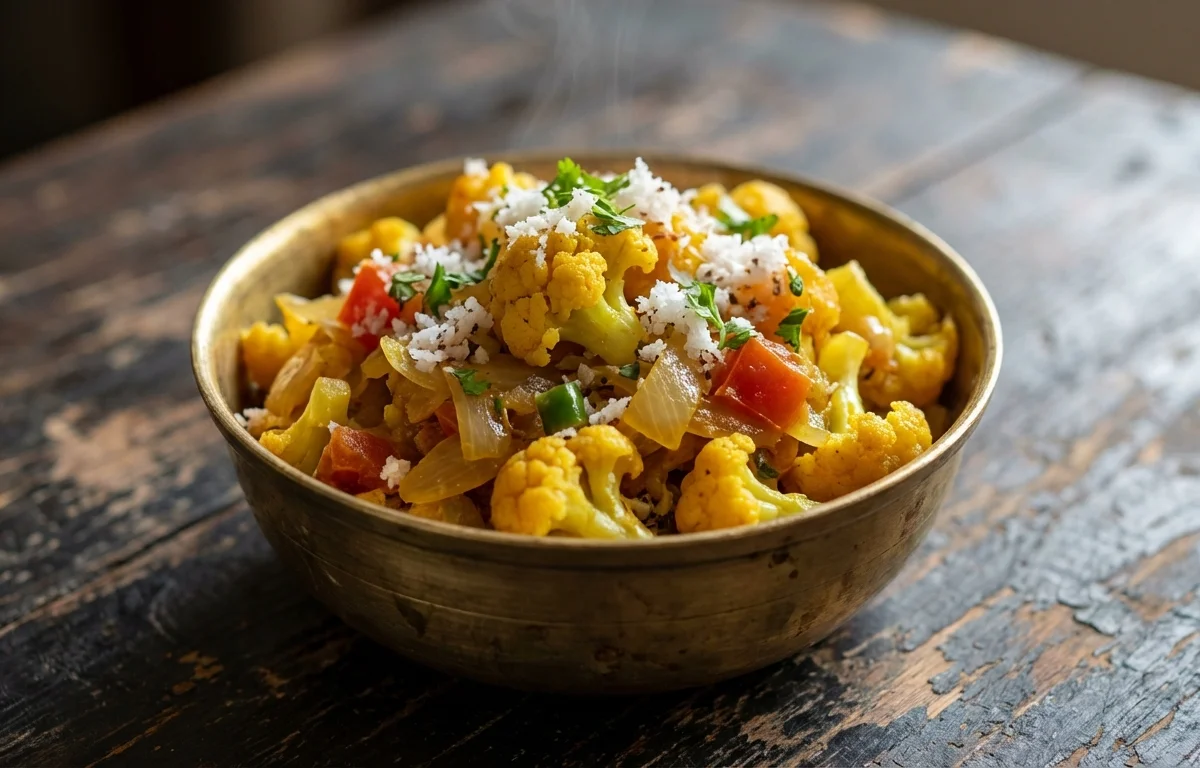
Kol Phool Bhaji
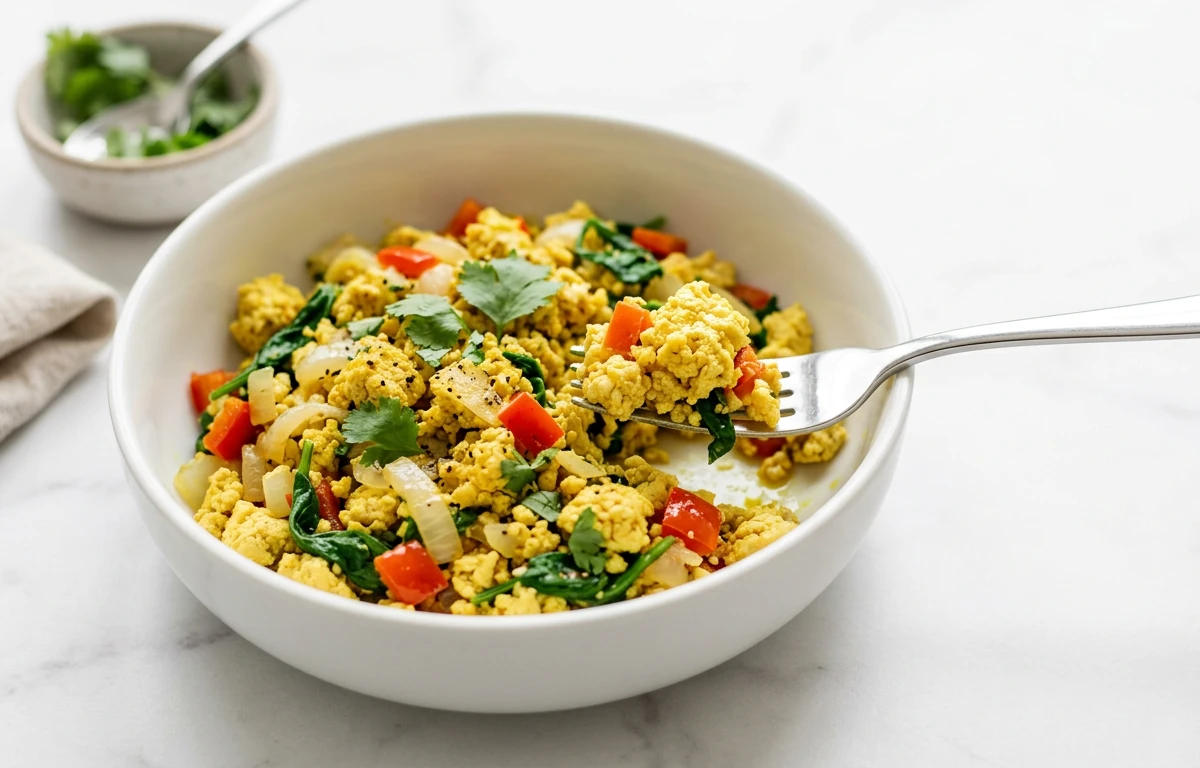
A simple, homestyle stir-fry made with banana flower, onion, and gentle spices. This earthy bhaji has a nutty, slightly bitter taste that turns deliciously savory when cooked slowly with coconut and a light tempering.
For 4 servings
- prep · ~20 min
Clean and chop the banana flower.
1.Remove the dark outer bracts and collect the pale florets inside.2.From each floret, pull out the hard stigma and the papery outer petal.3.Finely chop the cleaned florets until you have about 500 g prepared banana flower.TIPCleaning the flower well removes the tough parts and gives the bhaji a softer texture. - boil · ~12 min
Cook the banana flower until tender.
Add the chopped banana flower to a pot with water, turmeric powder, tamarind paste, and half of the salt. Bring to a boil and cook until tender, then drain well and lightly squeeze out excess water.
TIPThe tamarind helps keep the banana flower from darkening and softens its slight bitterness. - temper · ~2 min
Make the tempering.
1.Heat oil in a pan over medium heat.2.Add mustard seeds and let them splutter.3.Add urad dal and cook until lightly golden.4.Add curry leaves, green chili, and crushed garlic, and cook for a few seconds until fragrant. - saute · ~5 min
Cook the onion.
Add the chopped onion to the pan and sauté until soft and lightly golden.
- saute · ~7 min
Stir-fry the banana flower with the spices.
Add the drained banana flower and remaining salt. Mix well and cook over medium heat, stirring often, until the mixture turns fairly dry and the flavors come together.
TIPCook off the extra moisture slowly so the bhaji stays fluffy instead of soggy. - garnish · ~1 min
Mix in the grated coconut.
Add the grated coconut, stir for 1 minute, and turn off the heat.
- serve
Serve the kol phool bhaji warm.
What to keep in mind.
7 tips from the recipe — small details that make a real difference to the final dish.
- 1Keep a bowl of water with a little tamarind nearby while chopping the banana flower to limit browning.
- 2Remove both the stiff stigma and the papery sheath from each floret; leaving them in makes the bhaji fibrous.
- 3After boiling, drain and squeeze the banana flower gently but thoroughly so the stir-fry turns fluffy, not wet.
- 4Let the mustard seeds fully splutter before adding urad dal, or the tempering will taste raw.
- 5Cook the onion only to light golden, not deep brown, so it supports the banana flower without overpowering it.
- 6Add the fresh coconut at the very end and cook briefly to keep its sweetness and soft texture intact.
- 7This bhaji keeps well in the fridge for a day; reheat uncovered in a pan so any trapped moisture evaporates.
Adapt it for your goals.
Jaggery-balanced
Add a small pinch of jaggery with the salt in the final stir-fry for a sweeter, more rounded contrast to the banana flower and tamarind.
no onionNo-onion
Skip the onion for a lighter, more old-style version that lets the banana flower, coconut, and tempering stand out more clearly.
spicierSpicier
Use extra green chilies or add a pinch of red chili powder if you want the bhaji to pair better with plain rice and dal.
moong dalMoong-dal
Add a little cooked moong dal during the final stir-fry for a softer, more filling bhaji with extra body.
Why this is on our healthy list.
Fiber-Rich Vegetable Dish
Banana flower and onion make this bhaji a satisfying side with plenty of plant fiber and a hearty texture.
Includes Beneficial Aromatics
Garlic, curry leaves, green chili, and turmeric bring flavour along with traditional plant compounds used in everyday home cooking.
Moderate Oil Cooking
The bhaji gets most of its flavour from tempering, onion, tamarind, and coconut rather than relying on heavy oil or cream.
Frequently asked questions
It usually means the flower was not cleaned fully or not boiled long enough with tamarind. Remove the tough stigma and sheath from each floret and cook until tender before stir-frying.