legume2 recipes
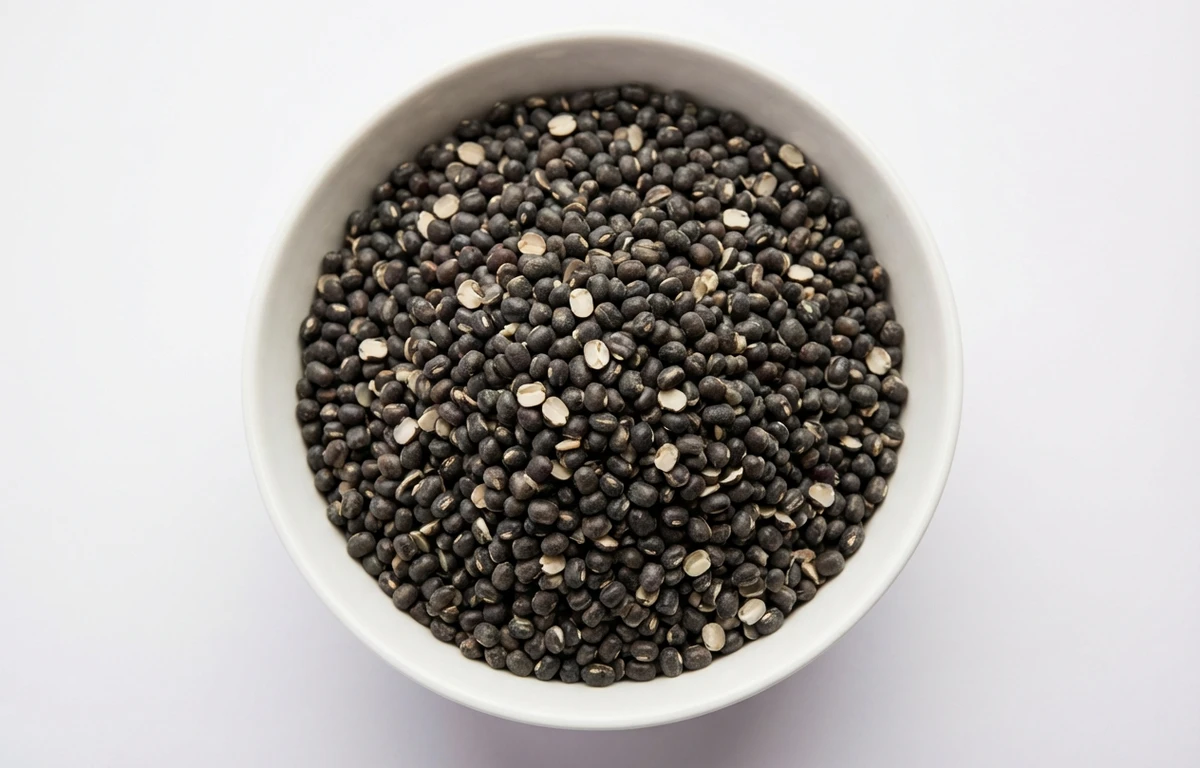
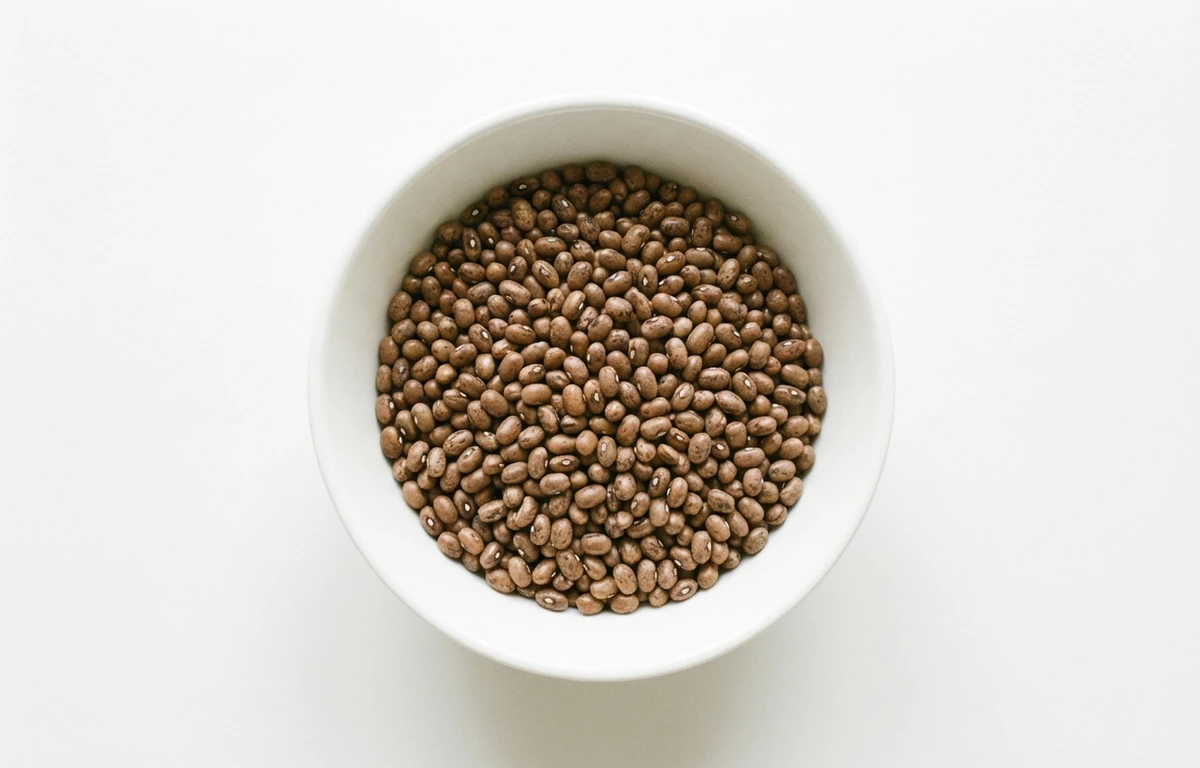
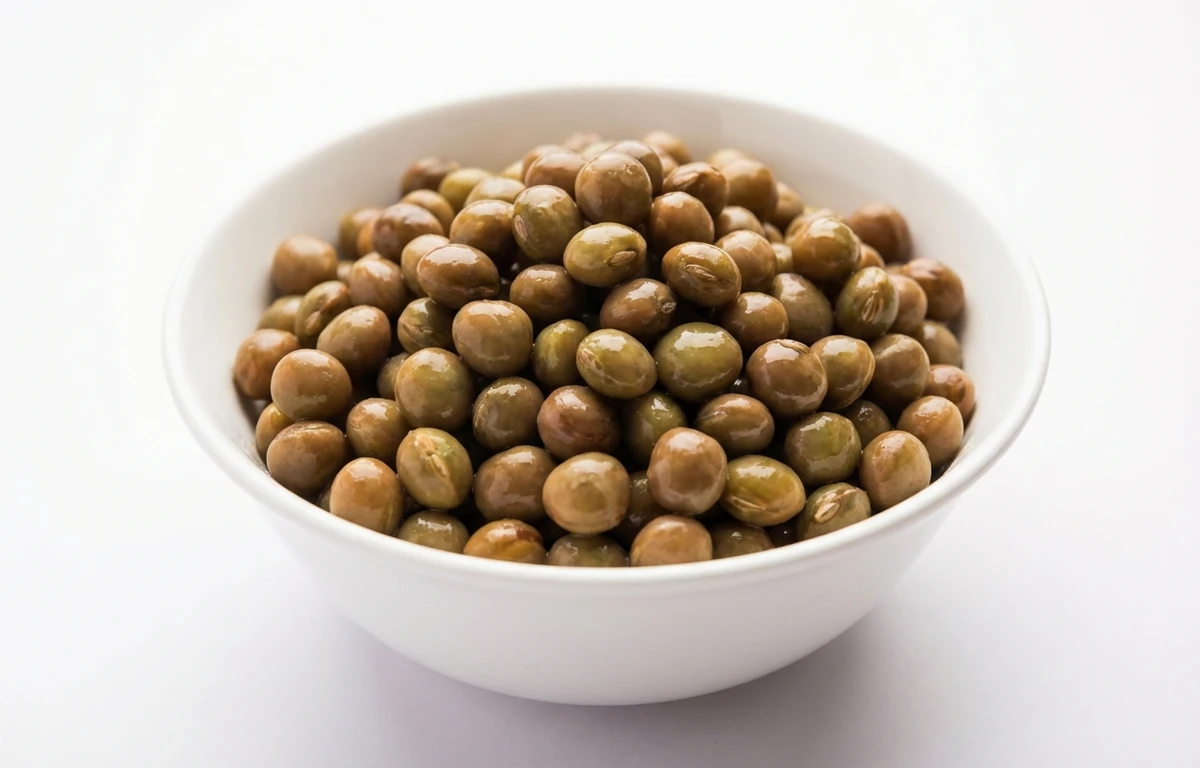
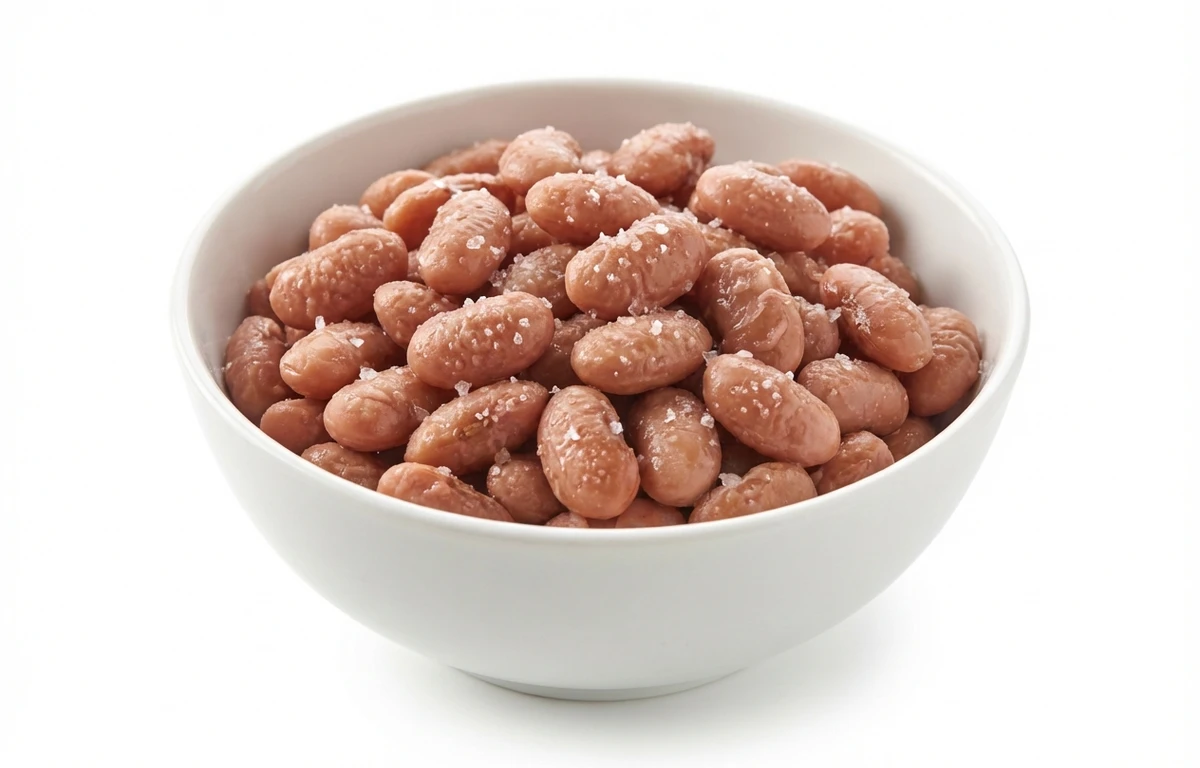
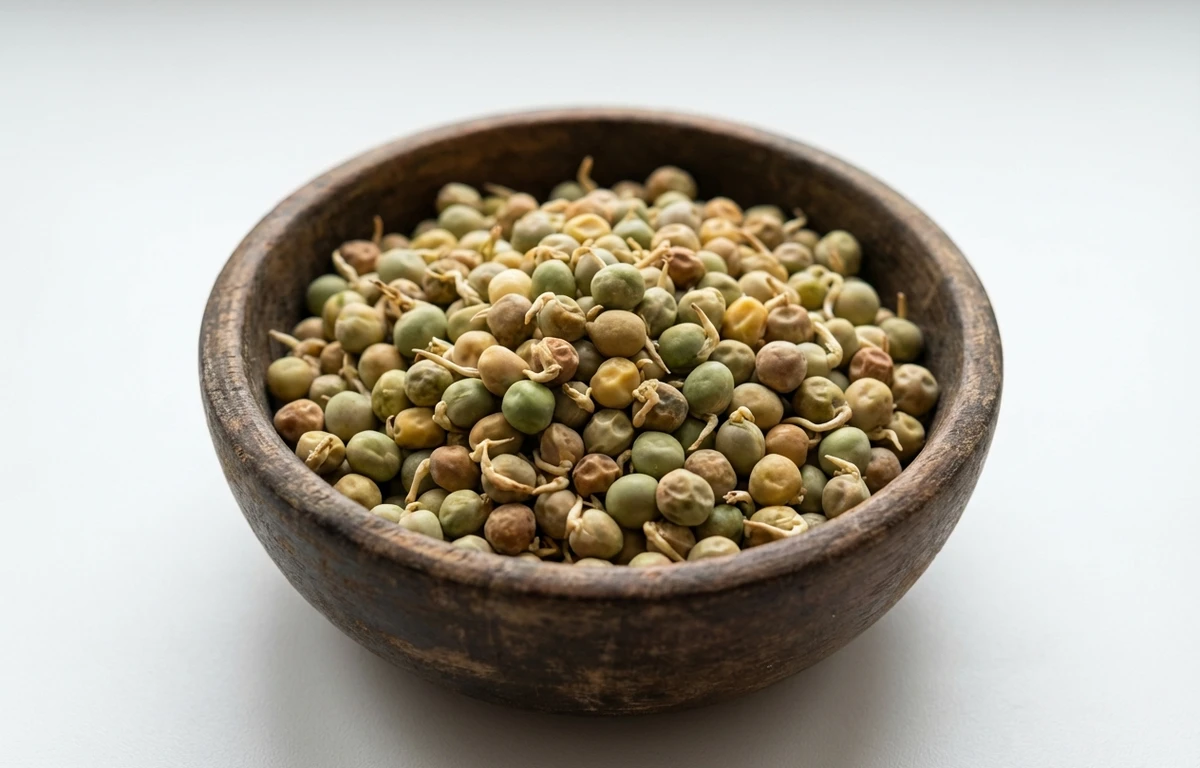
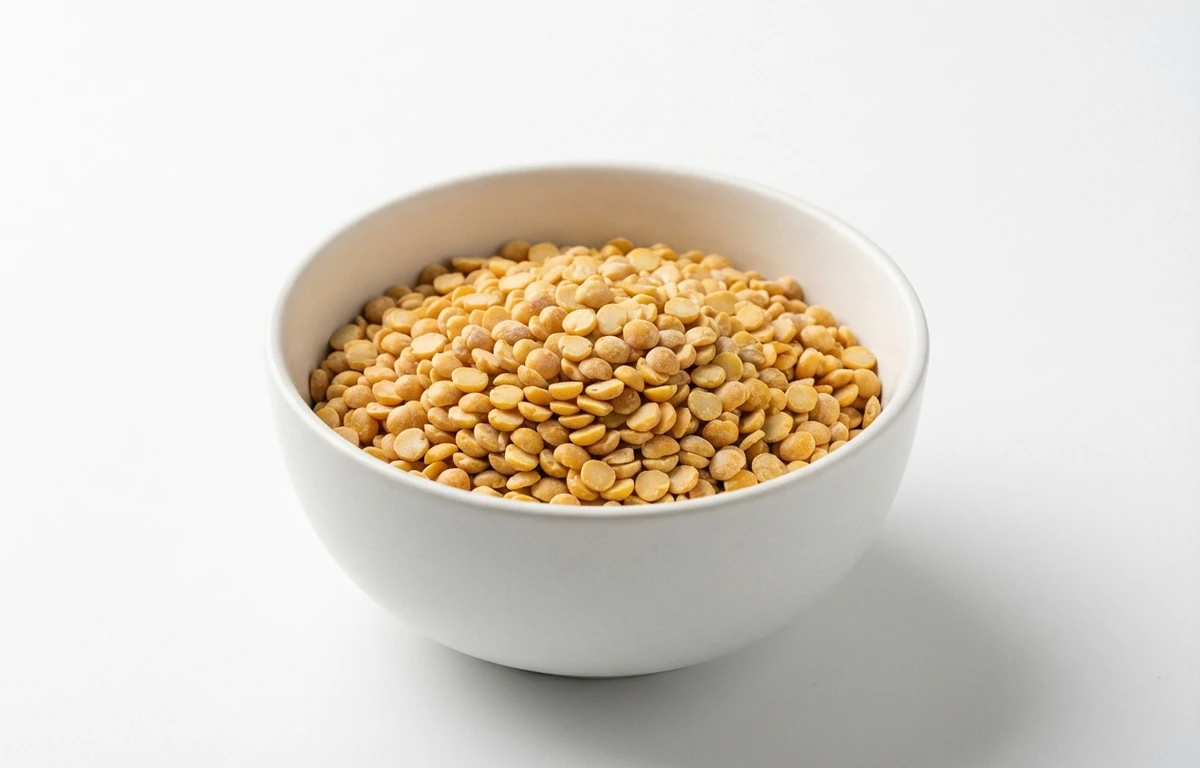
kolai dal.
VegetarianVeganGluten-freeDairy-freeNut-freePeanut-freeSoy-freeEgg-freeShellfish-freeHoney-freeAlcohol-free
SERVING
CALORIES
341
PROTEIN
25.2g
CARBS
58.9g
FAT
1.6g
FIBER
18.3g
NUTRITION PROFILE · per 100 g
Everything in this ingredient.
MACRONUTRIENTS
Calories341kcal—
Protein25.2g50%
Carbohydrates58.9g21%
Fiber18.3g65%
Sugar3.8g8%
Total fat1.6g2%
Saturated fat0.20g1%
Trans fat0g—
Cholesterol0mg0%
Water9.9g—
MINERALS
Sodium38mg2%
Potassium983mg21%
Calcium138mg11%
Iron7.6mg42%
Magnesium267mg64%
Phosphorus379mg30%
Zinc2.8mg25%
Copper0.98mg109%
Manganese1.5mg65%
Selenium6.2µg11%
VITAMINS
Vitamin A1.0µg0%
Vitamin C0mg0%
Vitamin D0µg0%
Vitamin E0.51mg3%
Vitamin K5.4µg5%
Thiamin (B1)0.27mg23%
Riboflavin (B2)0.25mg19%
Niacin (B3)1.4mg9%
Pantothenic acid (B5)0.90mg18%
Vitamin B60.28mg16%
Folate (B9)216µg54%
Vitamin B120µg0%
%DV based on a 2,000 cal diet. Source: USDA FoodData Central. A dash in the %DV column means there’s no established Daily Value for that nutrient.
MEASUREMENT CONVERSIONS
How much is what.
1 cup190g
1 tablespoon12g
1 teaspoon4g
HEALTH BENEFITS
Why eat it.
- ✓Rich in protein and dietary fiber, which aids digestion and promotes satiety.
- ✓Excellent source of iron, folic acid, magnesium, and potassium, supporting overall health.
- ✓Helps in managing blood sugar levels due to its low glycemic index.
- ✓Contributes to bone health due to its content of essential minerals like magnesium and calcium.
COOKING TIPS
In the kitchen.
- 1Rinse the dal thoroughly under running water before use to remove any dust or impurities.
- 2Soaking for at least 30-60 minutes before cooking can reduce cooking time and improve digestibility.
- 3When cooked, it develops a slightly gelatinous texture, making it an excellent binding agent for batters used in dosas, idlis, and vadas.
- 4For a simple dal, temper with spices like asafoetida (hing), cumin seeds, and ginger in ghee or oil to enhance its flavor.
STORAGE
Keep it fresh.
- Store in a cool, dry, and dark place in an airtight container to prevent moisture and pest infestation.
- Properly stored, it can last for up to one year without losing its flavor or nutritional value.
FAQ
Frequently asked questions.
Is kolai dal healthy?
Yes, kolai dal is very healthy. It's a rich source of plant-based protein and dietary fiber, which aids digestion and promotes satiety. It also provides essential minerals like iron, folic acid, magnesium, and potassium, supporting overall health and bone strength.
How much protein and calories are in kolai dal?
Per 100g, kolai dal contains approximately 25.2g of protein and 341 calories. It's also low in fat (1.6g) and provides a good amount of complex carbohydrates (58.9g), making it an energy-dense and nutritious legume.
Is kolai dal good for weight loss?
Kolai dal can be beneficial for weight loss due to its high protein and fiber content. Protein and fiber promote satiety, helping you feel full longer and potentially reducing overall calorie intake. However, portion control is key due to its calorie density.
Is kolai dal gluten-free?
Yes, kolai dal (like all pure legumes) is naturally gluten-free. It is a safe and nutritious option for individuals following a gluten-free diet, provided it hasn't been cross-contaminated during processing or packaging.
Can diabetics eat kolai dal?
Yes, kolai dal can be a good choice for diabetics. It has a low glycemic index and its high fiber content helps in managing blood sugar levels by slowing down glucose absorption. Always consume in moderation as part of a balanced diet.
Is kolai dal vegan?
Yes, kolai dal is entirely plant-based and therefore suitable for a vegan diet. It serves as an excellent source of plant protein for vegans and vegetarians.
How do you cook kolai dal?
Kolai dal (also known as Urad Dal) typically requires soaking for at least 30 minutes to an hour, or even overnight, to reduce cooking time and improve digestibility. It can then be boiled until tender, often in a pressure cooker, and used in various dishes like dal preparations, dosas, idlis, or vadas.
What does kolai dal taste like?
Kolai dal has a mild, earthy, and slightly nutty flavor. When cooked, it develops a creamy texture, especially when split and husked. Its subtle taste makes it versatile for absorbing flavors from spices and other ingredients in dishes.
How do you store kolai dal?
Store uncooked kolai dal in an airtight container in a cool, dry, and dark place, away from direct sunlight and moisture. Properly stored, it can last for up to 1-2 years. Cooked kolai dal should be refrigerated and consumed within 3-4 days.
What are common uses for kolai dal in cooking?
Kolai dal is a staple in Indian cuisine, particularly in South India. It's famously used to make batters for popular dishes like dosa, idli, and vada. It's also a key ingredient in various dal preparations, papad, and sometimes in tempering for curries and stir-fries.
RECIPES
Cook with kolai dal.
2 recipes · sorted by what’s quick
SAME CATEGORY