
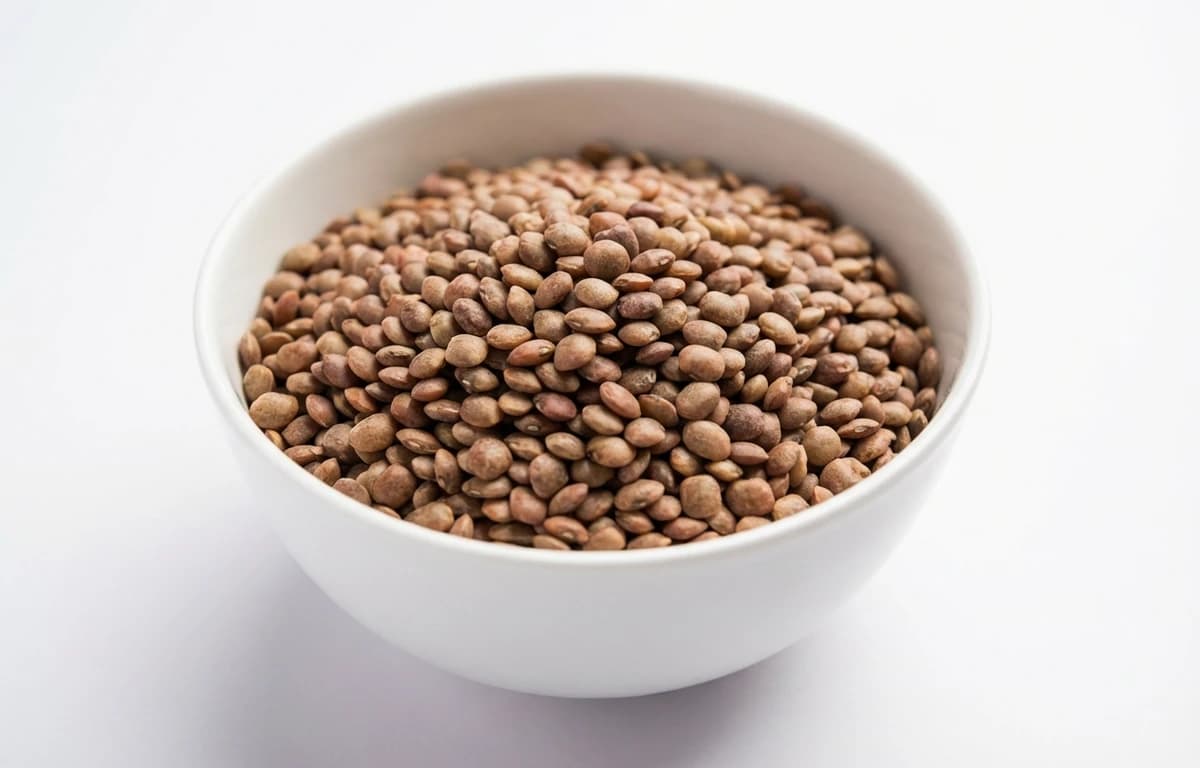
kollu
Also known as:
Loading...
Also known as:
Per 100g
Nutrition data source: USDA FoodData Central
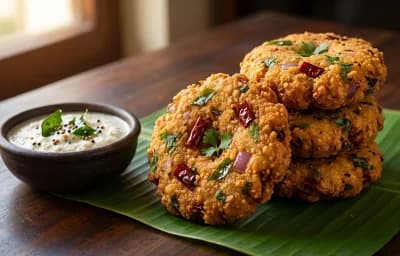
Crispy, savory fritters made from protein-rich horse gram. This traditional South Indian snack is packed with earthy flavors, spices, and fresh herbs, perfect with a cup of chai.
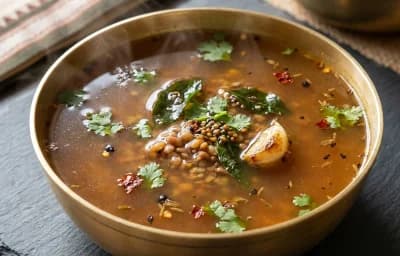
A traditional South Indian soup made with horse gram, tamarind, and a blend of aromatic spices. This peppery and tangy rasam is both comforting and incredibly nutritious, often enjoyed with steamed rice.
Kollu is highly nutritious, packed with protein, iron, and calcium, supporting muscle health and bone strength. Its high fiber content aids digestion and promotes satiety, while phenolic compounds offer antioxidant benefits. Traditionally, it's also recognized for its diuretic properties, potentially assisting urinary tract health.
Per 100g, kollu contains approximately 321 calories, 22g of protein, 57g of carbohydrates, and a very low 0.5g of fat. It's also a good source of essential minerals like iron and calcium, contributing to overall well-being.
Yes, kollu can be beneficial for weight loss due to its high protein and fiber content. Protein and fiber promote satiety, helping you feel full longer and reducing overall calorie intake. Its low fat content also makes it a lean option for a balanced diet.
Yes, kollu (horse gram) is naturally gluten-free. This makes it an excellent and safe grain alternative for individuals with celiac disease or gluten sensitivity, allowing them to enjoy its nutritional benefits without concern.
Yes, kollu is a plant-based legume, making it entirely suitable for a vegan diet. It serves as an excellent source of plant protein, fiber, and essential minerals for those avoiding animal products.
Kollu can be a good dietary addition for diabetics. Its high fiber content helps regulate blood sugar levels by slowing down glucose absorption. However, portion control is still important, and it should be consumed as part of a balanced diet under professional guidance.
Kollu typically requires soaking overnight to reduce cooking time and improve digestibility. After soaking, it can be pressure cooked or boiled until tender, similar to other lentils or beans. It's often used in soups, stews, curries, or ground into flour for flatbreads.
kollu is a versatile ingredient found in cuisines around the world. With 321 calories per 100g and 22 grams of protein, it's a nutritious addition to many dishes.
Explore more ingredients in the legume category with complete nutrition information.
View all legume →Kollu has an earthy, slightly nutty flavor that is more robust than many other lentils. When cooked, it has a firm, somewhat chewy texture. Its distinct taste makes it a unique addition to various savory dishes, especially in South Indian cuisine.
Dry kollu should be stored in an airtight container in a cool, dark, and dry place, away from direct sunlight and moisture. Properly stored, it can last for several months to over a year, maintaining its quality and nutritional value.
Kollu has been traditionally used in Ayurvedic medicine for its potential to help manage kidney stones and support urinary tract health. Its diuretic properties are believed to aid in flushing out toxins and preventing stone formation. However, it's important to consult a healthcare professional for medical advice.