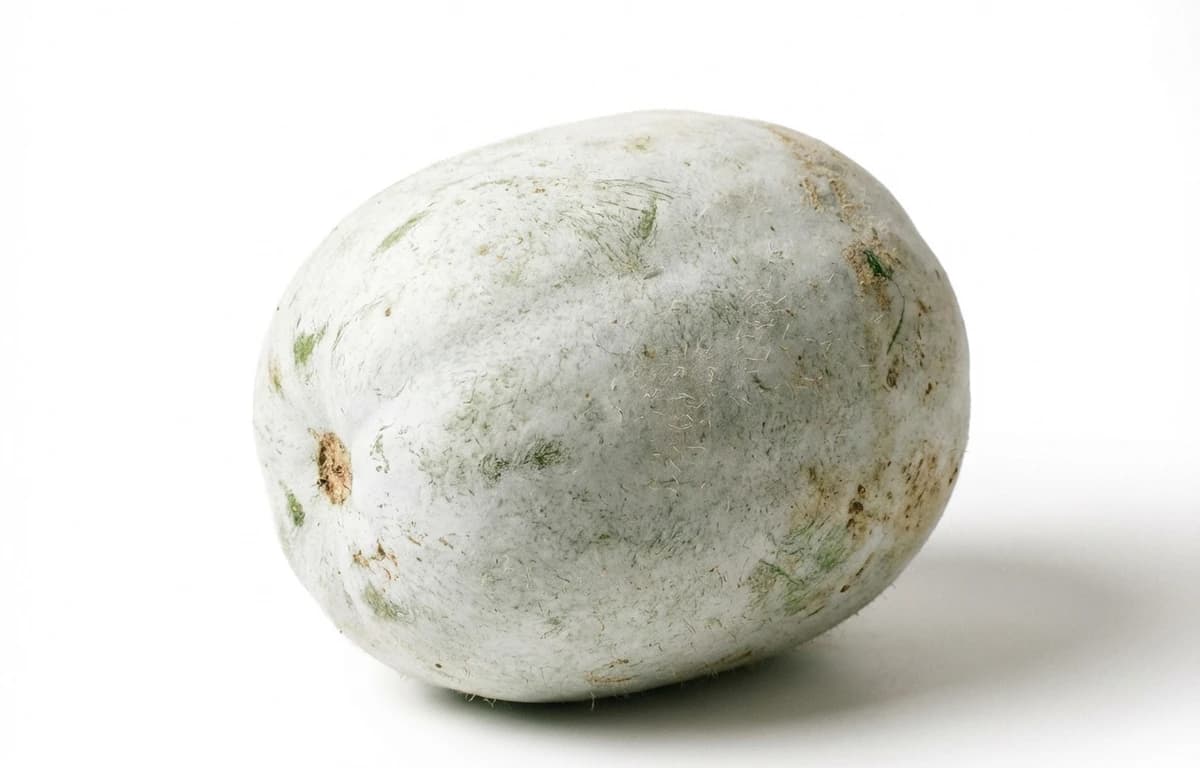
kumbalanga
Also known as:
Loading...
Also known as:
Per 100g
Nutrition data source: USDA FoodData Central
Yes, kumbalanga (ash gourd) is very healthy. It's exceptionally high in water content (over 96%), making it incredibly hydrating and very low in calories. It also provides soluble fiber for digestive health and contains beneficial antioxidants.
Per 100g, kumbalanga contains only about 13 calories, 0.4g protein, 3g carbohydrates, and 0.2g fat. Its high water content is the primary reason for its very low caloric density, making it a nutrient-dense choice.
Absolutely. Its extremely low-calorie count combined with its high water and fiber content makes kumbalanga excellent for weight loss. It promotes a feeling of fullness, which can help reduce overall calorie intake and manage appetite.
Yes, kumbalanga is generally suitable for diabetics. Its very low carbohydrate content (3g per 100g) and low glycemic index mean it won't cause significant spikes in blood sugar levels, making it a safe and healthy vegetable choice.
Yes, as a natural vegetable, kumbalanga is inherently vegan and gluten-free. It's a versatile ingredient that fits well into various dietary restrictions and preferences.
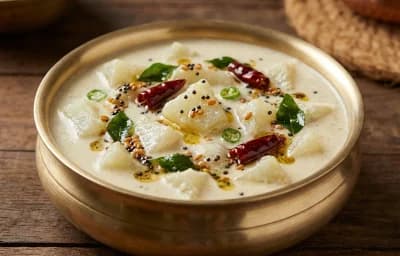
Kumbalanga is quite versatile in cooking. It can be used in curries, stews, soups, and even desserts like halwa. It's typically peeled, deseeded, and then chopped or grated before being incorporated into dishes.
Kumbalanga has a very mild, somewhat neutral flavor, often compared to cucumber or zucchini. Its subtle taste allows it to readily absorb the flavors of spices and other ingredients it's cooked with, making it a good base for various culinary creations.
kumbalanga is a versatile ingredient found in cuisines around the world. With 13 calories per 100g and 0.4 grams of protein, it's a nutritious addition to many dishes.
Explore more ingredients in the vegetable category with complete nutrition information.
View all vegetable →Whole, uncut kumbalanga can be stored in a cool, dry place for several weeks, sometimes even months, due to its thick skin. Once cut, wrap it tightly in plastic wrap and refrigerate, using it within 3-5 days for optimal freshness.
Yes, kumbalanga can be eaten raw. It's often grated and added to salads, raitas, or made into fresh juices. Eating it raw allows you to fully benefit from its cooling and hydrating properties.
In Ayurvedic medicine, kumbalanga is highly valued for its cooling properties, aiding digestion, and preventing ulcers due to its alkaline nature. It's also believed to have calming effects and support overall well-being and detoxification.