
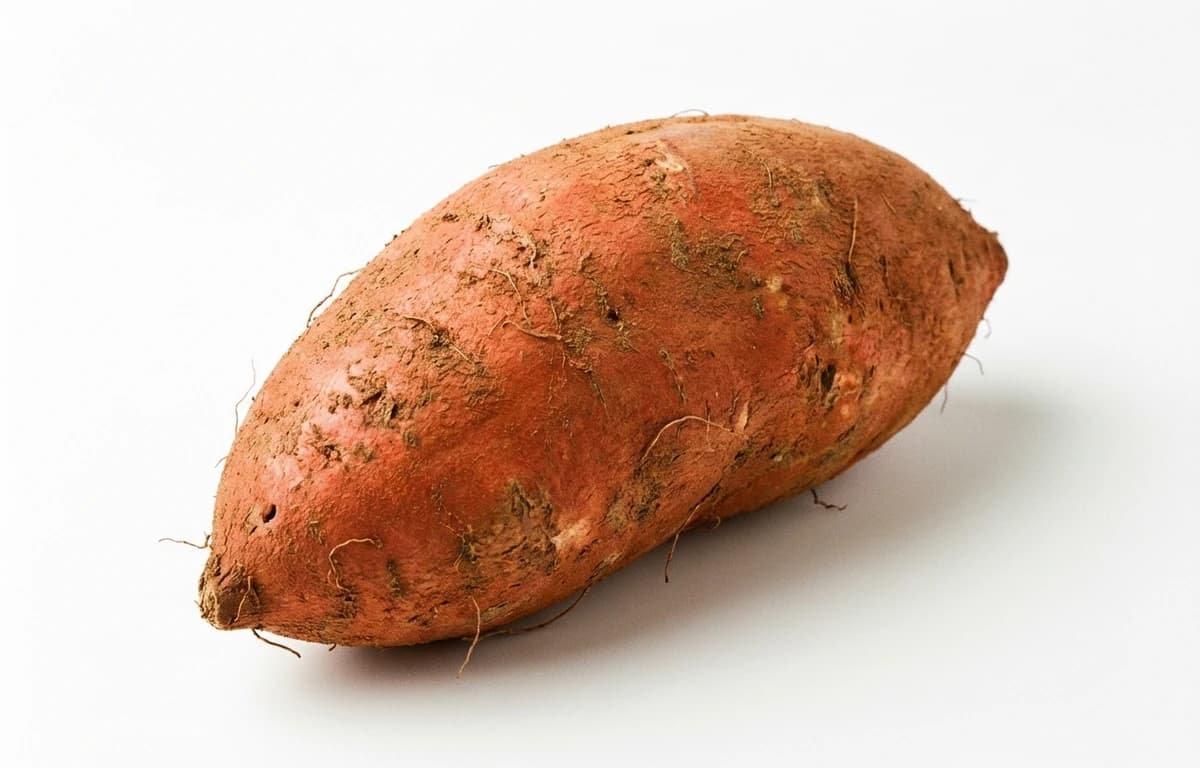
kumura
Also known as:
Loading...
Also known as:
Per 100g
Nutrition data source: USDA FoodData Central
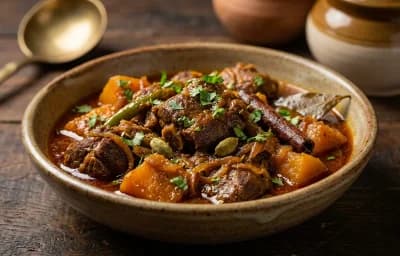
A rustic and flavorful Assamese delicacy, this duck curry features tender meat slow-cooked with winter melon (ash gourd) and whole black peppercorns. A true taste of Assam's culinary heritage, this dish is known for its unique peppery warmth and rich, hearty gravy.
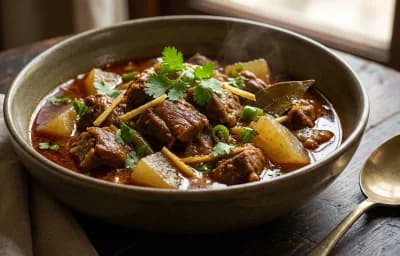
A rich and rustic duck curry from the heart of Assam, slow-cooked to perfection with tender ash gourd. The duck's natural fat renders down, creating a deeply flavorful, aromatic gravy punctuated by the bold warmth of whole black peppercorns. A true regional delicacy.
Yes, kumura (sweet potato) is very healthy. It's an excellent source of beta-carotene (Vitamin A), vital for vision and immune health, and high in dietary fiber, which aids digestion. It also provides antioxidants and essential minerals like potassium and manganese.
Kumura is packed with nutrients. It's particularly rich in beta-carotene, which the body converts to Vitamin A, and provides a good amount of dietary fiber. It also contains antioxidants, manganese, and potassium, supporting overall health, digestion, and blood pressure regulation.
Per 100g, kumura contains approximately 86 calories and 20.1g of carbohydrates. It has a low fat content (0.1g) and provides about 1.6g of protein, making it a nutrient-dense, energy-rich vegetable.
Kumura (sweet potato) has a moderate glycemic index and is high in fiber, which can help regulate blood sugar levels. While it contains carbohydrates, its fiber content can slow sugar absorption. Diabetics can enjoy kumura in moderation as part of a balanced diet, monitoring portion sizes.
Yes, kumura (sweet potato) is naturally gluten-free, making it suitable for individuals with celiac disease or gluten sensitivity. As a plant-based vegetable, it is also inherently vegan, fitting perfectly into plant-based diets.
Kumura is incredibly versatile and can be cooked in many ways. It can be roasted, baked, boiled, mashed, fried, or added to stews and curries. Roasting brings out its natural sweetness, while mashing creates a creamy side dish.
No, peeling kumura (sweet potato) is optional. The skin is edible and contains additional fiber and nutrients. If you prefer a smoother texture or are concerned about pesticides, you can peel it, but thoroughly scrubbing the skin is sufficient for most preparations.
kumura is a versatile ingredient found in cuisines around the world. With 86 calories per 100g and 1.6 grams of protein, it's a nutritious addition to many dishes.
Explore more ingredients in the vegetable category with complete nutrition information.
View all vegetable →Store kumura in a cool, dark, and well-ventilated place, like a pantry, away from direct sunlight. Do not refrigerate raw kumura, as cold temperatures can alter its flavor and texture. Stored properly, it can last for several weeks.
Kumura (sweet potato) has a naturally sweet, earthy flavor with a creamy texture when cooked. The sweetness can vary slightly depending on the variety, with some having a more pronounced sugary taste and others a nuttier undertone.
While technically edible raw, kumura (sweet potato) is generally not consumed raw due to its starchy texture and slightly bitter taste. Cooking significantly improves its flavor, texture, and digestibility, making its nutrients more bioavailable.