Grain9 recipes
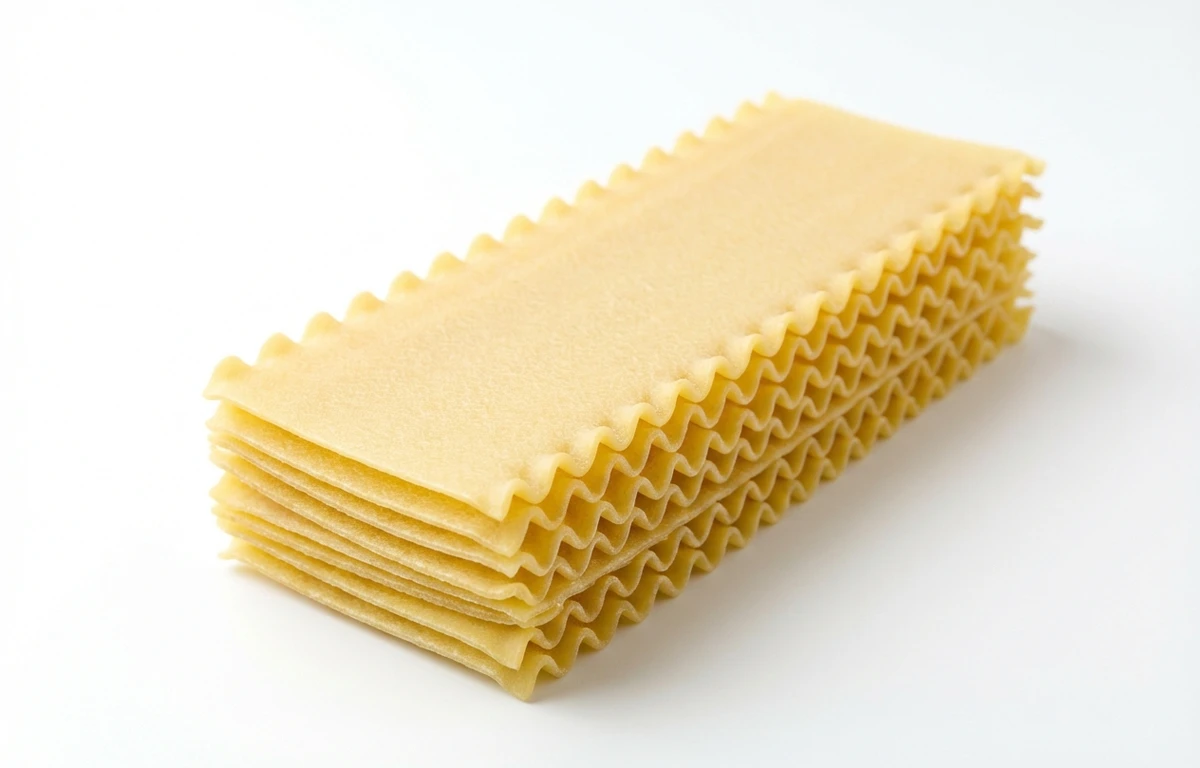
lasagna noodles.
VegetarianVeganGluten-freeDairy-freeNut-freePeanut-freeSoy-freeEgg-freeShellfish-freeHoney-freeAlcohol-free
ALSO KNOWN AS
lasagne sheetsdried lasagna noodleslasagna pastalasagne pasta sheets
SERVING
CALORIES
371
PROTEIN
13g
CARBS
74.7g
FAT
1.5g
FIBER
3.2g
NUTRITION PROFILE · per 100 g
Everything in this ingredient.
MACRONUTRIENTS
Calories371kcal—
Protein13g26%
Carbohydrates74.7g27%
Fiber3.2g11%
Sugar2.7g5%
Total fat1.5g2%
Saturated fat0.30g2%
Trans fat0g—
Cholesterol0mg0%
Water10g—
MINERALS
Sodium6.0mg0%
Potassium223mg5%
Calcium21mg2%
Iron1.3mg7%
Magnesium53mg13%
Phosphorus189mg15%
Zinc1.4mg13%
Copper0.20mg22%
Manganese0.90mg39%
Selenium63µg115%
VITAMINS
Vitamin A0µg0%
Vitamin C0mg0%
Vitamin D0µg0%
Vitamin E0.10mg1%
Vitamin K0.10µg0%
Thiamin (B1)0.50mg42%
Riboflavin (B2)0.30mg23%
Niacin (B3)3.5mg22%
Pantothenic acid (B5)0.40mg8%
Vitamin B60.10mg6%
Folate (B9)18µg5%
Vitamin B120µg0%
%DV based on a 2,000 cal diet. Source: USDA FoodData Central. A dash in the %DV column means there’s no established Daily Value for that nutrient.
MEASUREMENT CONVERSIONS
How much is what.
1 oz28.4g
1 lb453.6g
1 piece19g
HEALTH BENEFITS
Why eat it.
- ✓Excellent source of complex carbohydrates for sustained energy
- ✓Low in fat and cholesterol-free
- ✓Provides essential B-vitamins when enriched
- ✓Contains selenium which acts as an antioxidant
- ✓Provides dietary fiber to support digestive health
COOKING TIPS
In the kitchen.
- 1Boil in a large pot of salted water until al dente
- 2Stir occasionally during the first few minutes to prevent sticking
- 3If using no-boil noodles, ensure the sauce is watery enough to hydrate them
STORAGE
Keep it fresh.
- Store in a cool, dry place in an airtight container
- Keep away from direct sunlight and moisture
- Unopened packages can last up to 2 years
FAQ
Frequently asked questions.
How long do dry lasagna noodles last?
When stored in a cool, dry place, dry lasagna noodles can last for up to 2 years.
Can I freeze lasagna noodles?
It is best to freeze them as part of a prepared lasagna dish rather than freezing the noodles alone.
What is the difference between boil and no-boil lasagna noodles?
No-boil noodles are thinner and pre-cooked/dried, allowing them to soften using only the moisture from the sauce during baking.
How many lasagna sheets are in 100g?
Approximately 5 standard dry lasagna sheets equal 100g.
Are lasagna noodles vegan?
Most standard dry lasagna noodles made from semolina are vegan, but 'egg lasagna' varieties are not.
How do I prevent lasagna noodles from sticking together while boiling?
Use a large pot with plenty of water, add salt, and stir frequently during the first 3 minutes of cooking.
What can I substitute for lasagna noodles?
You can use other wide pasta shapes, thinly sliced zucchini or eggplant, or even ravioli layered like lasagna.
Should I rinse lasagna noodles after boiling?
Generally no, as the starch on the surface helps the sauce and cheese adhere to the pasta.
How do I know when lasagna noodles are cooked?
They should be 'al dente'—tender but still firm to the bite—since they will continue to cook in the oven.
What is the best way to pick quality lasagna noodles?
Look for noodles made from 100% durum semolina wheat, which holds its shape better during the long baking process.
RECIPES
Cook with lasagna noodles.
9 recipes · sorted by what’s quick