Other
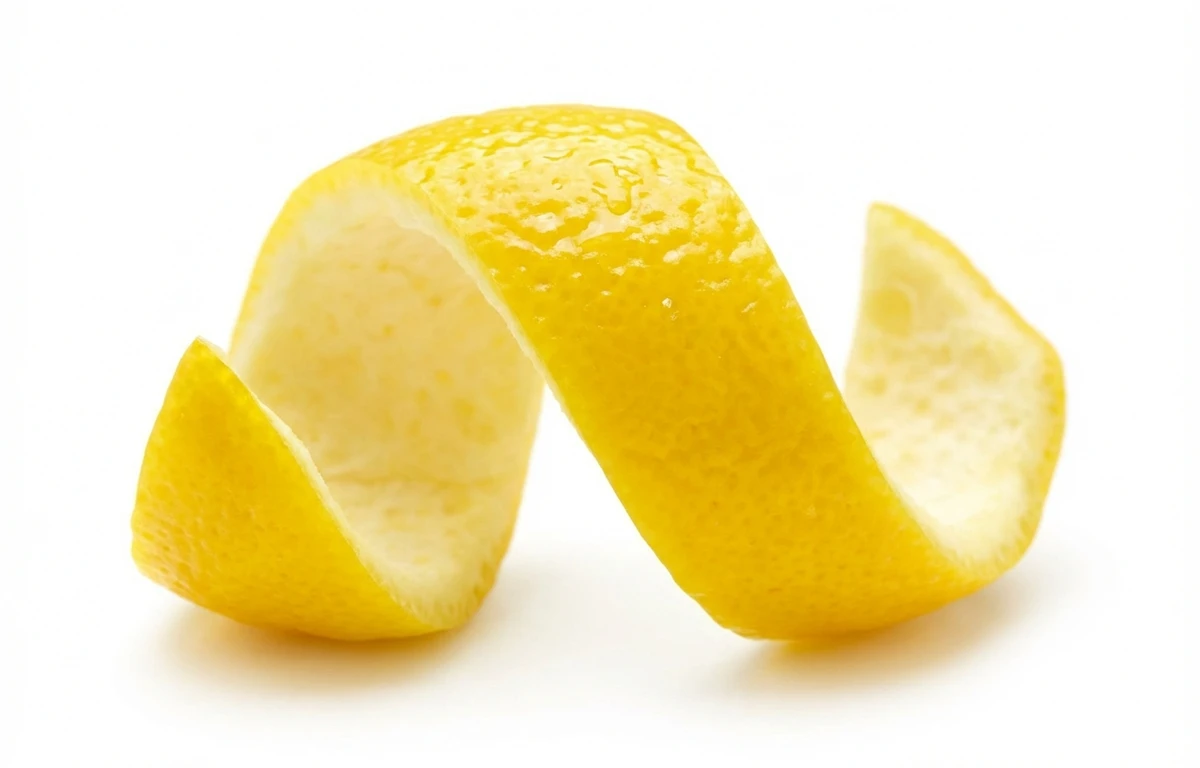
lemon twist.
VegetarianVeganGluten-freeDairy-freeNut-freePeanut-freeSoy-freeEgg-freeShellfish-freeHoney-freeAlcohol-free
ALSO KNOWN AS
lemon peel twistlemon zest twistlemon spirallemon rind twistnimbu twist
SERVING
CALORIES
73
PROTEIN
1.5g
CARBS
16g
FAT
0.30g
FIBER
10.6g
This ingredient is flagged as naturally gluten-free. Per 100 g, it provides 0 µg of vitamin K.
NUTRITION PROFILE · per 100 g
Everything in this ingredient.
MACRONUTRIENTS
Calories72.7kcal—
Protein1.5g3%
Carbohydrates16g6%
Fiber10.6g38%
Sugar4.2g8%
Total fat0.30g0%
Saturated fat0.04g0%
Trans fat0g—
Cholesterol0mg0%
Water81.6g—
MINERALS
Sodium6.0mg0%
Potassium160mg3%
Calcium134mg10%
Iron0.80mg4%
Magnesium15mg4%
Phosphorus12mg1%
Zinc0.25mg2%
Copper0.09mg10%
Manganese0.03mg1%
Selenium0.70µg1%
VITAMINS
Vitamin A3.0µg0%
Vitamin C129mg143%
Vitamin D0µg0%
Vitamin E0.25mg2%
Vitamin K0µg0%
Thiamin (B1)0.06mg5%
Riboflavin (B2)0.08mg6%
Niacin (B3)0.40mg3%
Pantothenic acid (B5)0.30mg6%
Vitamin B60.17mg10%
Folate (B9)11µg3%
Vitamin B120µg0%
%DV based on a 2,000 cal diet. Source: USDA FoodData Central. A dash in the %DV column means there’s no established Daily Value for that nutrient.
MEASUREMENT CONVERSIONS
How much is what.
1 cup100g
1 tablespoon6g
1 teaspoon2g
1 oz28.4g
1 lb453.6g
1 ml1g
1 liter1000g
1 piece5g
HEALTH BENEFITS
Why eat it.
- ✓High fiber content supports digestive health
- ✓Antimicrobial properties may support oral hygiene
COOKING TIPS
In the kitchen.
- 1Twist the peel over the glass to release essential oils (expressing)
- 2Rub the outer side of the peel along the rim of the glass for aroma
- 3Avoid the white pith as it adds unwanted bitterness to the drink
STORAGE
Keep it fresh.
- Store in an airtight container in the refrigerator for up to 3 days
- Wrap in a damp paper towel before sealing to maintain moisture and oils
- Keep away from strong-smelling foods to prevent odor absorption
FAQ
Frequently asked questions.
How long do lemon twists stay fresh?
They are best used immediately but can last 2-3 days in the fridge if stored in an airtight container with a damp paper towel.
How do I choose the best lemon for a twist?
Look for lemons with bright yellow, firm, and smooth skin. Thicker-skinned lemons are often easier to peel for twists.
What can I use if I don't have a lemon?
An orange or lime twist provides a similar citrus aroma and aesthetic, though the flavor profile will change slightly.
How do I make a lemon twist without a special tool?
Use a vegetable peeler to cut a wide strip of peel, then trim the edges with a knife and curl it around a straw or spoon handle.
Why is my lemon twist bitter?
Bitterness usually comes from the white pith. Try to peel only the yellow outer layer (the zest) and scrape off any excess pith.
Can I freeze lemon twists?
You can, but they will lose their firm texture and some aromatic oils upon thawing. They are best used fresh.
What drinks commonly use a lemon twist?
Classic cocktails like the Martini, Vesper, and Horse's Neck frequently use a lemon twist as a garnish.
Is it safe to use non-organic lemons for twists?
Since you are using the skin, it is recommended to wash lemons thoroughly or use organic ones to avoid pesticide residue.
RECIPES
Cook with lemon twist.
0 recipes · sorted by what’s quick