Condiment9 recipes
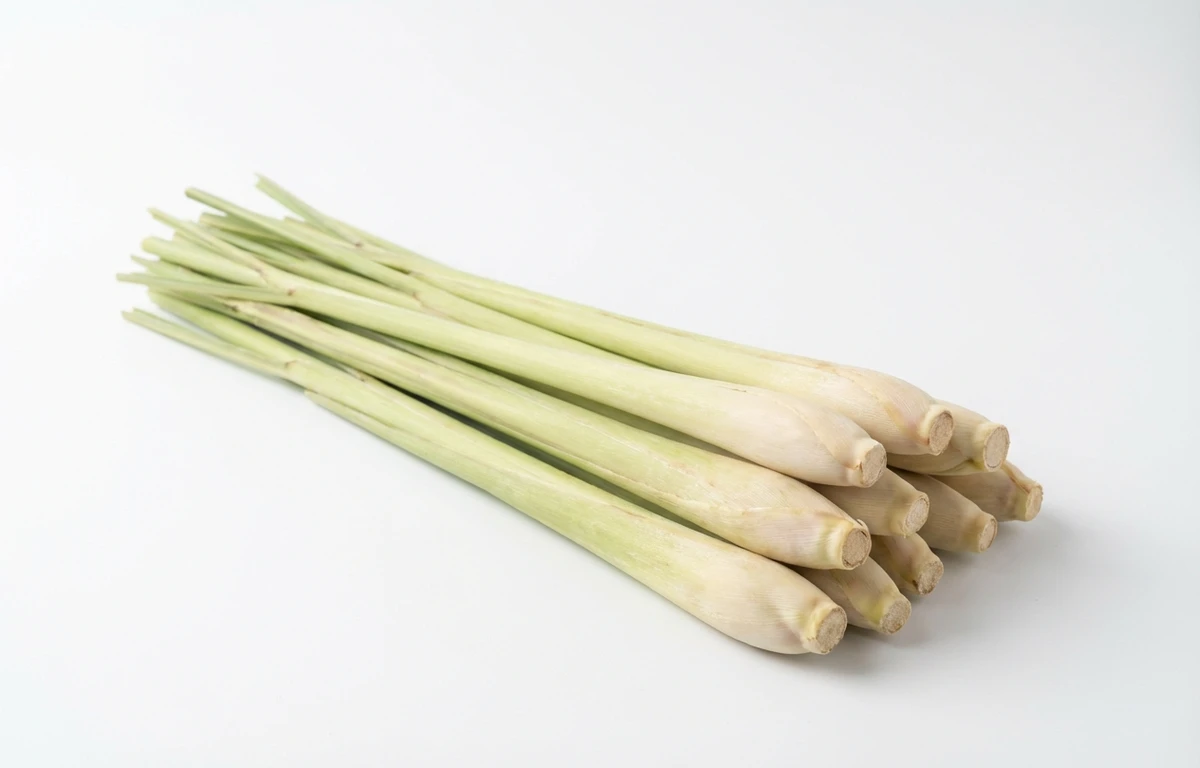
lemongrass.
VegetarianVeganGluten-freeDairy-freeNut-freePeanut-freeSoy-freeEgg-freeShellfish-freeHoney-freeAlcohol-freeHalalKosher
ALSO KNOWN AS
raw lemongrassfever grasscitronella
SERVING
CALORIES
99
PROTEIN
1.8g
CARBS
25.3g
FAT
0.49g
FIBER
0g
NUTRITION PROFILE · per 100 g
Everything in this ingredient.
MACRONUTRIENTS
Calories99kcal—
Protein1.8g4%
Carbohydrates25.3g9%
Total fat0.49g1%
Saturated fat0.12g1%
Trans fat0g—
Cholesterol0mg0%
Water70.6g—
MINERALS
Sodium6.0mg0%
Potassium723mg15%
Calcium65mg5%
Iron8.2mg45%
Magnesium60mg14%
Phosphorus101mg8%
Zinc2.2mg20%
Copper0.27mg30%
Manganese5.2mg227%
Selenium0.70µg1%
VITAMINS
Vitamin A0µg0%
Vitamin C2.6mg3%
Vitamin D0µg0%
Thiamin (B1)0.07mg6%
Riboflavin (B2)0.14mg11%
Niacin (B3)1.1mg7%
Vitamin B60.08mg5%
Folate (B9)75µg19%
Vitamin B120µg0%
%DV based on a 2,000 cal diet. Source: USDA FoodData Central. A dash in the %DV column means there’s no established Daily Value for that nutrient.
MEASUREMENT CONVERSIONS
How much is what.
1 cup100g
1 tablespoon6g
1 teaspoon2g
1 oz28.4g
1 lb453.6g
1 piece40g
HEALTH BENEFITS
Why eat it.
- ✓Rich in antioxidants that help fight free radicals
- ✓Contains antimicrobial properties that may support oral health
- ✓May help reduce inflammation in the body
- ✓Traditionally used to support healthy digestion
- ✓High manganese content supports bone health and metabolism
COOKING TIPS
In the kitchen.
- 1Peel away the tough outer layers to reach the tender, pale green inner core
- 2Bruise or 'bash' whole stalks with the back of a knife to release aromatic oils before simmering
- 3Finely mince only the bottom 4-5 inches of the stalk for use in stir-fries or pastes
STORAGE
Keep it fresh.
- Wrap tightly in plastic wrap or damp paper towels and refrigerate for up to 2 weeks
- Can be frozen whole or minced in airtight bags for up to 6 months
- Dry stalks can be stored in a cool, dark place but will lose potency over time
FAQ
Frequently asked questions.
How do I choose the best lemongrass at the store?
Look for stalks that are firm, heavy for their size, and have a pale green to off-white bulbous base. Avoid stalks that are overly dry, brittle, or turning brown.
What is the best substitute for fresh lemongrass?
A mixture of lemon zest and grated fresh ginger is the best substitute. Use 1 teaspoon of lemon zest and 1 teaspoon of ginger for every stalk of lemongrass.
Can you eat lemongrass raw?
While the outer layers are too woody to eat, the very tender inner core can be finely minced and eaten raw in salads or dressings.
How do I prepare lemongrass for a soup like Tom Yum?
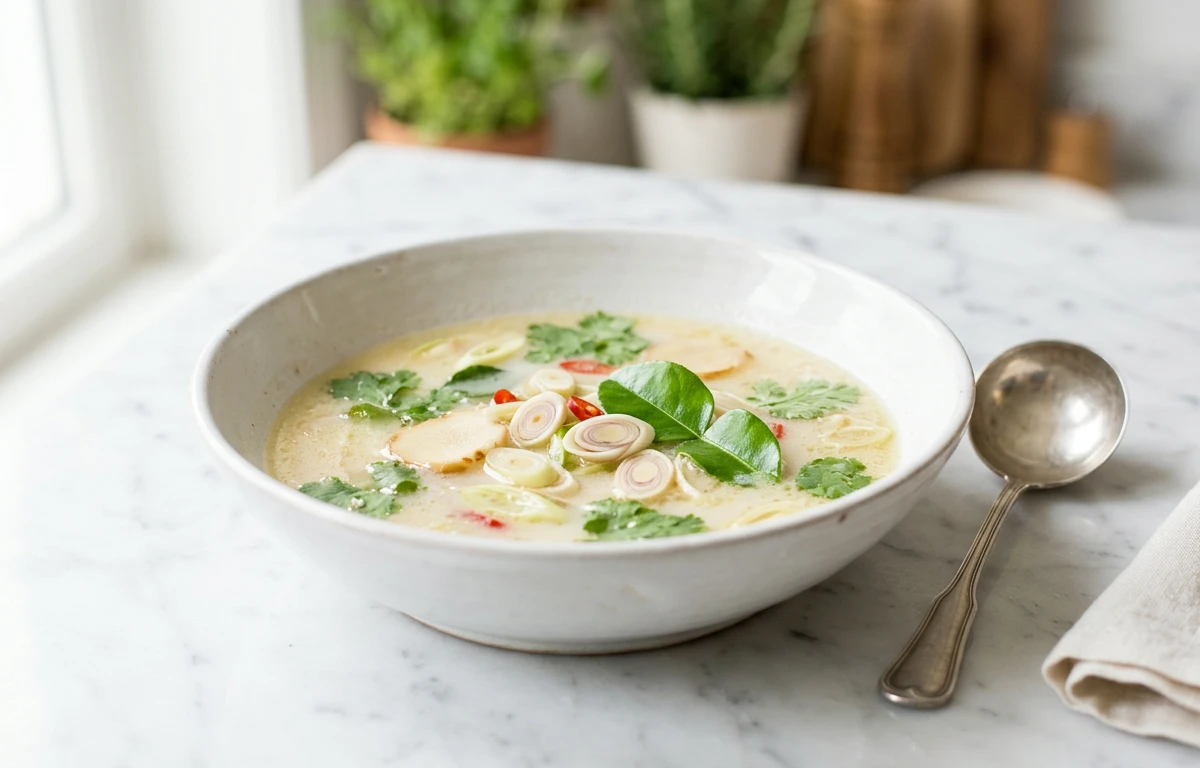
Cut the stalk into 2-inch pieces and bruise them with a heavy object. Add them to the broth to infuse flavor, but remove them before serving as they remain quite tough.
Does lemongrass contain caffeine?
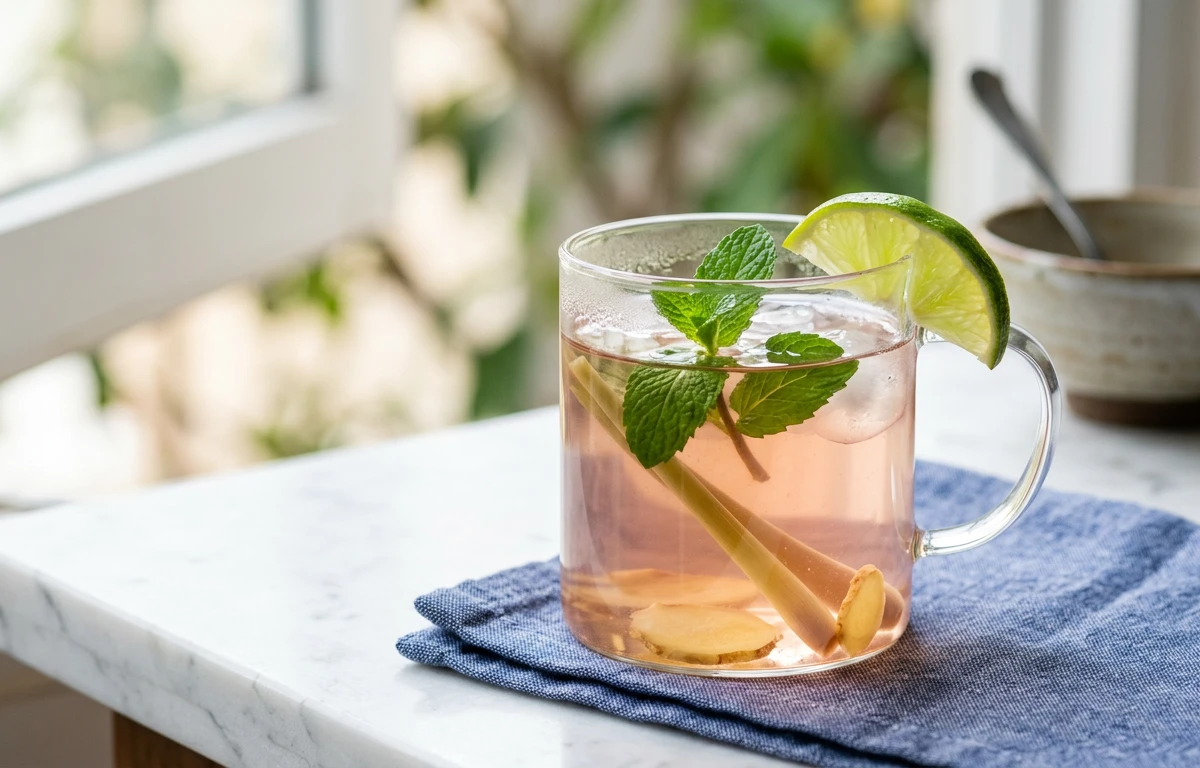
No, lemongrass is naturally caffeine-free, making it a popular choice for evening herbal teas.
Can I freeze lemongrass?
Yes, lemongrass freezes exceptionally well. You can freeze whole stalks or pre-mince the tender parts and freeze them in ice cube trays with a little water or oil.
What part of the lemongrass stalk do I use?
Use the bottom 4 to 5 inches of the stalk. Discard the woody base and the thin, grassy tops (though the tops can be used for tea).
Is lemongrass the same as lemon balm?
No, they are different plants. Lemongrass is a tropical grass with a citrus-ginger flavor, while lemon balm is a leafy herb in the mint family.
RECIPES
Cook with lemongrass.
9 recipes · sorted by what’s quick