Other2 recipes
li hing mui powder.
VegetarianVeganGluten-freeDairy-freeNut-freePeanut-freeSoy-freeEgg-freeShellfish-freeHoney-freeAlcohol-free
ALSO KNOWN AS
li hing powdersalty dried plum powdertraveler's plum powderhuamei powdercrack seed powder
SERVING
CALORIES
285
PROTEIN
1.8g
CARBS
68.5g
FAT
0.40g
FIBER
4.2g
This ingredient is flagged as naturally gluten-free. Per 100 g, it provides 4.5 µg of vitamin K.
NUTRITION PROFILE · per 100 g
Everything in this ingredient.
MACRONUTRIENTS
Calories285kcal—
Protein1.8g4%
Carbohydrates68.5g25%
Fiber4.2g15%
Sugar55g110%
Total fat0.40g1%
Saturated fat0.10g1%
Trans fat0g—
Cholesterol0mg0%
Water8.0g—
MINERALS
Sodium18500mg804%
Potassium650mg14%
Calcium45mg3%
Iron1.2mg7%
Magnesium25mg6%
Phosphorus30mg2%
Zinc0.30mg3%
Copper0.10mg11%
Manganese0.20mg9%
Selenium0.50µg1%
VITAMINS
Vitamin A15µg2%
Vitamin C2.5mg3%
Vitamin D0µg0%
Vitamin E0.80mg5%
Vitamin K4.5µg4%
Thiamin (B1)0.02mg2%
Riboflavin (B2)0.04mg3%
Niacin (B3)0.50mg3%
Pantothenic acid (B5)0.15mg3%
Vitamin B60.05mg3%
Folate (B9)2.0µg1%
Vitamin B120µg0%
%DV based on a 2,000 cal diet. Source: USDA FoodData Central. A dash in the %DV column means there’s no established Daily Value for that nutrient.
MEASUREMENT CONVERSIONS
How much is what.
1 cup155g
1 tablespoon9.6g
1 teaspoon3.2g
1 oz28.4g
1 lb453.6g
1 ml0.7g
1 liter650g
HEALTH BENEFITS
Why eat it.
- ✓Can help alleviate motion sickness and nausea
- ✓Provides a quick source of electrolytes due to high sodium
- ✓Stimulates saliva production and aids appetite
- ✓Fat-free seasoning alternative
COOKING TIPS
In the kitchen.
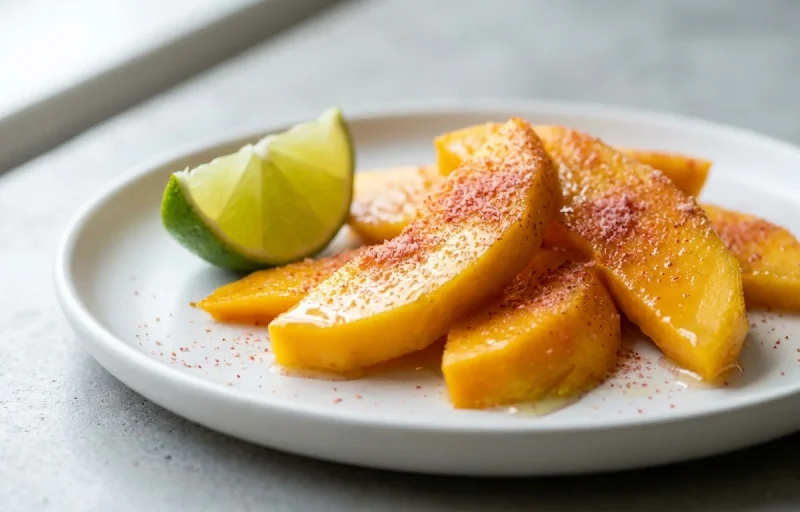
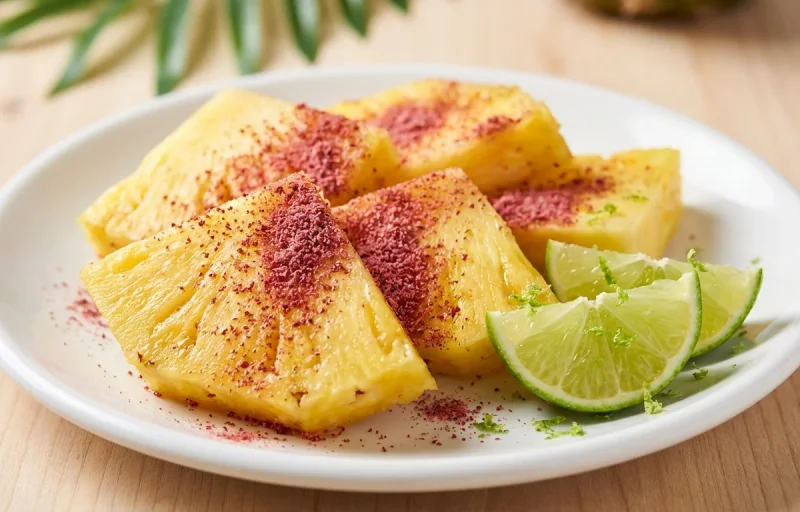
- 1Sprinkle over fresh fruits like pineapple, mango, or apples for a sweet-savory contrast
- 2Use as a unique rimming salt for margaritas or other tropical cocktails
- 3Toss with popcorn or gummy candies for a popular Hawaiian-style snack
STORAGE
Keep it fresh.
- Store in an airtight container to prevent moisture absorption and clumping
- Keep in a cool, dry place away from direct sunlight
- If clumping occurs, shake the container vigorously or sift before use
FAQ
Frequently asked questions.
What exactly is li hing mui powder?
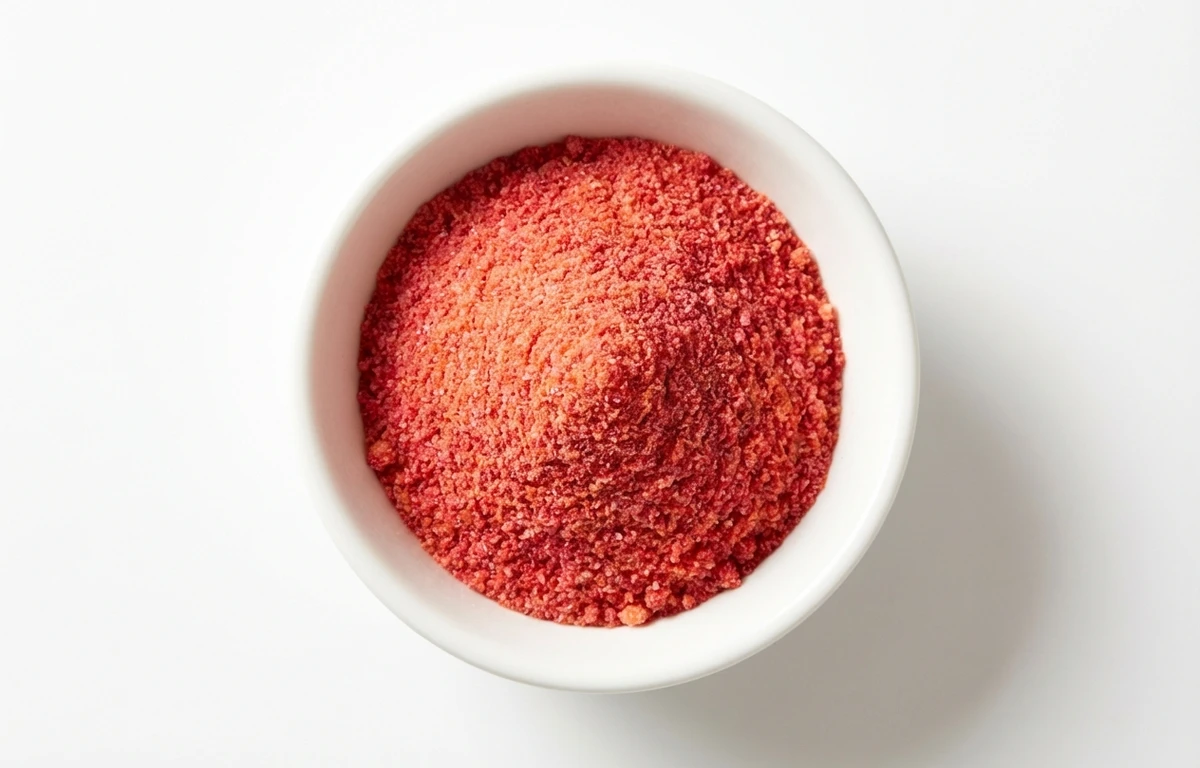
It is a powder made from ground-up li hing mui, which are salted, dried Chinese plums. It has a distinct salty, sweet, and sour flavor profile.
How long does li hing mui powder last?
When kept in a dry, airtight container, it can last indefinitely, though it is best used within 1-2 years for optimal flavor.
Is li hing mui powder healthy?
It should be used sparingly due to its extremely high sodium content and the presence of artificial sweeteners and dyes in many commercial brands.
What can I use as a substitute for li hing mui powder?
A mixture of citric acid, salt, and sugar can mimic the profile, or umeboshi (Japanese pickled plum) powder can be used for a similar salty-sour effect.
Why is the powder usually bright red?
The traditional red color comes from food coloring (often Red 40) added during the processing of the dried plums.
Does li hing mui powder contain aspartame?
Many commercial brands use aspartame or saccharin to achieve the intense sweetness without adding bulk sugar. Check the label if you are sensitive to these.
Can I freeze li hing mui powder?
Freezing is not necessary and may introduce moisture. A cool, dry pantry is the best storage location.
Is li hing mui powder vegan?
Yes, the standard ingredients (plums, salt, sugar, licorice, and flavorings) are plant-based and vegan-friendly.
What are the most common uses for it?
In Hawaii, it is famously used on fresh fruit, gummy bears, popcorn, and even in shave ice syrups.
RECIPES
Cook with li hing mui powder.
2 recipes · sorted by what’s quick