Other1 recipes
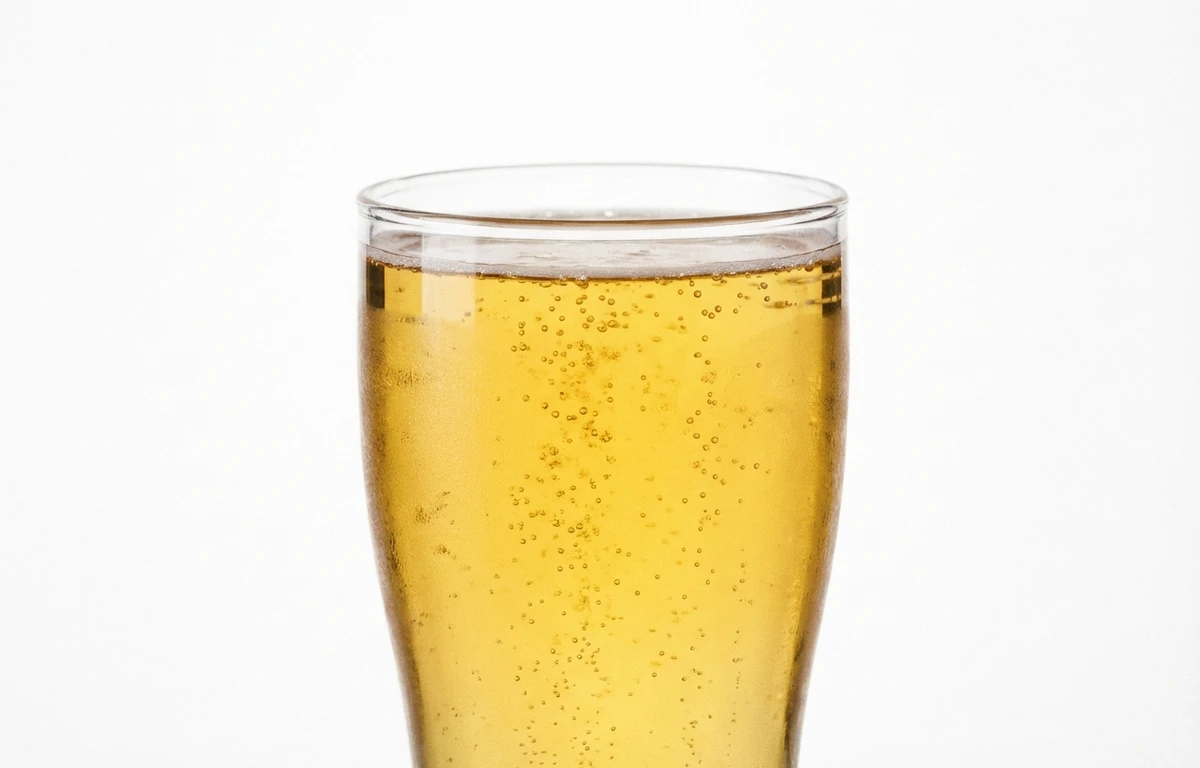
light beer.
VegetarianVeganGluten-freeDairy-freeNut-freePeanut-freeSoy-freeEgg-freeShellfish-freeHoney-freeAlcohol-freeHalalFermented
ALSO KNOWN AS
lite beerlow-calorie beer
SERVING
CALORIES
29
PROTEIN
0.30g
CARBS
2.3g
FAT
0g
FIBER
0g
Per 100 g, it provides 1.0 µg of vitamin K.
NUTRITION PROFILE · per 100 g
Everything in this ingredient.
MACRONUTRIENTS
Calories29kcal—
Protein0.30g1%
Carbohydrates2.3g1%
Fiber0g0%
Sugar0g0%
Total fat0g0%
Saturated fat0g0%
Cholesterol0mg0%
Water92.5g—
MINERALS
Sodium4.0mg0%
Potassium28mg1%
Calcium3.0mg0%
Iron0.02mg0%
Magnesium1.5mg0%
Phosphorus3.6mg0%
Zinc0mg0%
Copper0mg0%
Selenium0.12µg0%
VITAMINS
Vitamin A0µg0%
Vitamin C0mg0%
Vitamin D0µg0%
Vitamin E0mg0%
Vitamin K1.0µg1%
Thiamin (B1)0mg0%
Riboflavin (B2)0mg0%
Niacin (B3)0.12mg1%
Vitamin B60.01mg1%
Folate (B9)1.8µg0%
Vitamin B120.01µg0%
%DV based on a 2,000 cal diet. Source: USDA FoodData Central. A dash in the %DV column means there’s no established Daily Value for that nutrient.
MEASUREMENT CONVERSIONS
How much is what.
1 cup237.6g
1 tablespoon14.6g
1 teaspoon4.9g
1 ml1g
1 liter976g
HEALTH BENEFITS
Why eat it.
- ✓Provides some B vitamins, such as niacin, riboflavin, and folate, derived from the grain and yeast.
COOKING TIPS
In the kitchen.
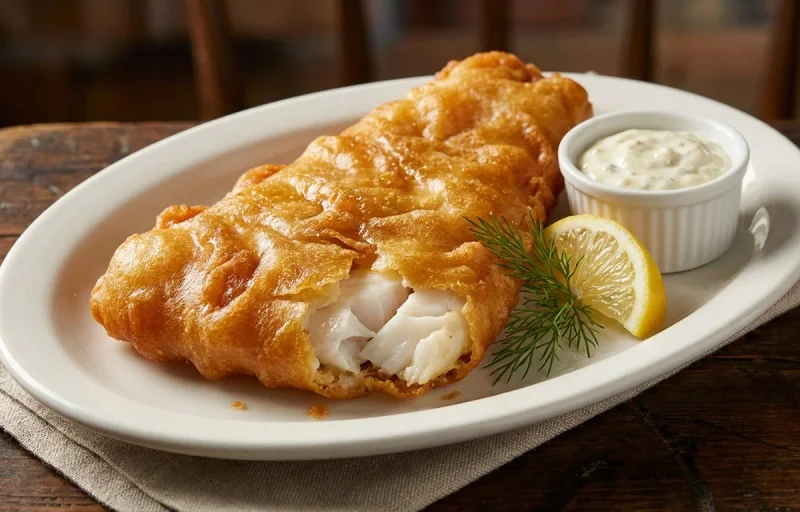
- 1Use as the liquid base for a light and crispy beer batter for frying fish, chicken, or vegetables.
- 2Add to chili, stews, or cheese sauces to provide liquid, depth of flavor, and a subtle malty note.
- 3Incorporate into marinades for lighter meats like chicken and pork to help tenderize and add flavor.
- 4Use as a steaming liquid for shellfish like mussels and clams for a savory, aromatic broth.
STORAGE
Keep it fresh.
- Store upright in a cool, dark place like a refrigerator or cellar, ideally between 40-50°F (4-10°C).
- Keep away from direct sunlight or fluorescent light, as UV exposure can cause a 'skunky' flavor.
FAQ
Frequently asked questions.
How many calories and carbs are in light beer?
Per 100g, light beer typically contains around 29 calories and 2.3g of carbohydrates. This is significantly less than regular beer, which can have 40-50 calories and 3-4g of carbs per 100g, making it a lighter option.
Is light beer gluten-free?
Most traditional light beers are not gluten-free as they are brewed with barley, a gluten-containing grain. However, there are specific gluten-free light beer brands available that are made from alternative grains or have had gluten removed. Always check the label for certification.
Is light beer vegan?
Most light beers are vegan, as they are typically made from water, malted barley, hops, and yeast. However, some breweries might use fining agents like isinglass (fish bladder) or gelatin during the clarification process, which are not vegan. Check with the specific brand if unsure.
What does light beer taste like compared to regular beer?
Light beer generally has a milder, less robust flavor profile than regular beer. It often tastes lighter-bodied, less malty, and can sometimes have a slightly watery or less complex finish due to the reduced carbohydrate content and often lower alcohol by volume.
Can light beer be used in cooking?
Yes, light beer can be used in cooking, especially in recipes where you want a subtle beer flavor without adding too much richness or bitterness. It works well in marinades, stews, chili, or for deglazing pans, contributing moisture and a hint of malty flavor.
How long does light beer last?
Unopened light beer typically has a shelf life of 4-6 months when stored properly. While it won't necessarily 'spoil' in a harmful way past this date, its flavor and freshness will degrade. Once opened, it should be consumed within a day or two for best quality.
RECIPES
Cook with light beer.
1 recipes · sorted by what’s quick