
Loading...
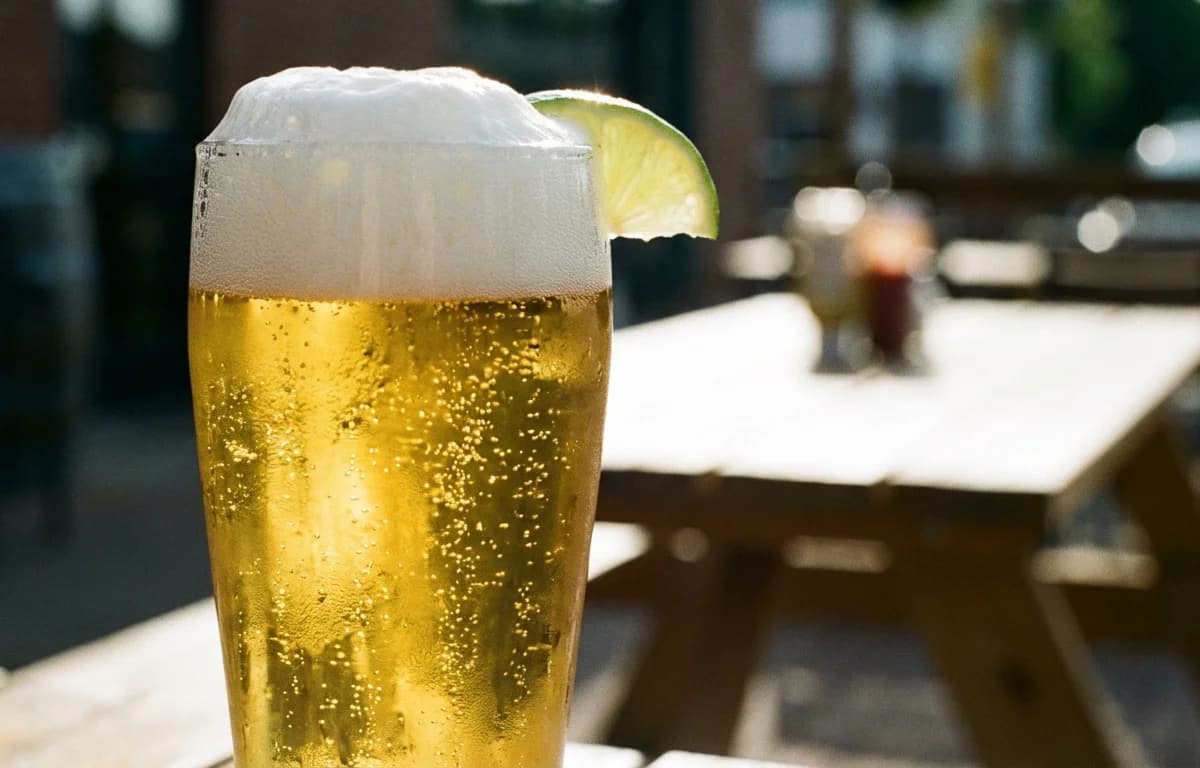
Brew your own crisp and refreshing American light lager at home. This recipe yields a clean, easy-drinking beer with a light body and subtle malt sweetness, perfect for any occasion. Note: This recipe requires several weeks of fermentation and lagering time after the initial brew day.
Sanitation and Preparation
Mash the Grains (60 minutes)
Lauter and Sparge (45 minutes)
A vibrant and nourishing bowl packed with fluffy quinoa, roasted sweet potatoes, and black beans, all brought together with a zesty lime dressing. This is the perfect plant-based meal for a satisfying and flavorful lunch or dinner.
A quick, refreshing salad of crisp radishes tossed in a light lemon-dill vinaigrette. It's the perfect crunchy side to cut through richer main dishes, ready in just a few minutes.
A crisp, tangy, and refreshing cucumber salad tossed in a simple rice vinegar dressing. It's a perfect light side dish that comes together in minutes and complements any meal.
A simple, refreshing bowl of creamy nonfat Greek yogurt topped with a vibrant mix of fresh berries. It's a protein-packed, healthy start to your day or a perfect light snack, ready in just minutes.
Brew your own crisp and refreshing American light lager at home. This recipe yields a clean, easy-drinking beer with a light body and subtle malt sweetness, perfect for any occasion. Note: This recipe requires several weeks of fermentation and lagering time after the initial brew day.
This american recipe takes 210 minutes to prepare and yields 50 servings. At 297.93 calories per serving with 7.62g of protein, it's a advanced recipe perfect for beverage.
Boil the Wort (60 minutes)
Chill the Wort (20-30 minutes)
Pitch Yeast and Ferment (2 weeks)
Diacetyl Rest and Lagering (4-6 weeks)
Carbonate and Package (2-3 weeks)
For a slightly different noble hop character, substitute the Saaz hops with an equal amount of Hallertau Mittelfrüh or Tettnanger.
Replace the flaked rice with flaked corn for a classic American lager profile with a slightly rounder, sweeter character.
For a simpler brew day, replace the 2-Row Malt and Flaked Rice with 1.8 kg of Pilsen Dry Malt Extract and 0.5 kg of Rice Solids. Steep no specialty grains, and proceed directly to the boil.
Brewer's yeast is a rich source of B vitamins, including niacin, riboflavin, and B6, which are important for energy metabolism. Some of these vitamins carry over into the finished beer.
Malted barley, a key ingredient in beer, is a good source of dietary silicon, which may play a role in bone health and the formation of connective tissue.
A 12 oz (355ml) serving of this homemade American Light Beer is estimated to have approximately 120-140 calories, depending on the final alcohol content and residual sugars.
Beer, including this light lager, is a source of empty calories and should be consumed in moderation. It is not considered a health food. Excessive alcohol consumption has known health risks.
Lagering is the process of cold-conditioning beer for an extended period (weeks to months) near freezing temperatures. This step is crucial for lager styles as it allows yeast and proteins to settle out, resulting in a cleaner, crisper flavor profile and brilliant clarity.
You must use a lager yeast strain for this recipe to achieve the correct flavor profile. Using an ale yeast would produce a different style of beer (like a Cream Ale) because it ferments at warmer temperatures and produces different flavor compounds (esters).
Common causes for poor carbonation include not using enough priming sugar, a poor seal on the bottle caps, or not waiting long enough at room temperature for the yeast to consume the sugar. Ensure your caps are crimped tightly and give it at least 3 weeks to condition.
While you can skip it, it's not recommended. Lager yeast can produce diacetyl, a compound that tastes like butter or butterscotch. The diacetyl rest allows the yeast to 'clean up' this compound, ensuring a cleaner-tasting final product.