Other5 recipes
littleneck clams.
VegetarianVeganGluten-freeDairy-freeNut-freePeanut-freeSoy-freeEgg-freeShellfish-freeHoney-freeAlcohol-freeKosher
SERVING
CALORIES
74
PROTEIN
12.8g
CARBS
2.6g
FAT
1.0g
FIBER
0g
This ingredient is flagged as naturally gluten-free. Per 100 g, it provides 0.10 µg of vitamin K.
NUTRITION PROFILE · per 100 g
Everything in this ingredient.
MACRONUTRIENTS
Calories74kcal—
Protein12.8g26%
Carbohydrates2.6g1%
Fiber0g0%
Sugar0g0%
Total fat1.0g1%
Saturated fat0.10g1%
Trans fat0g—
Cholesterol34mg11%
Water81.8g—
MINERALS
Sodium56mg2%
Potassium314mg7%
Calcium46mg4%
Iron14mg78%
Magnesium18mg4%
Phosphorus169mg14%
Zinc1.4mg13%
Copper0.30mg33%
Manganese0.50mg22%
Selenium24.3µg44%
VITAMINS
Vitamin A87µg10%
Vitamin C13mg14%
Vitamin D0µg0%
Vitamin E0.30mg2%
Vitamin K0.10µg0%
Thiamin (B1)0.02mg2%
Riboflavin (B2)0.21mg16%
Niacin (B3)1.8mg11%
Pantothenic acid (B5)0.40mg8%
Vitamin B60.10mg6%
Folate (B9)16µg4%
Vitamin B1249.4µg2058%
%DV based on a 2,000 cal diet. Source: USDA FoodData Central. A dash in the %DV column means there’s no established Daily Value for that nutrient.
MEASUREMENT CONVERSIONS
How much is what.
1 cup160g
1 oz28.4g
1 lb453.6g
1 piece10g
HEALTH BENEFITS
Why eat it.
- ✓Exceptional source of Vitamin B12 for nerve health
- ✓Rich in lean protein for muscle maintenance
- ✓Contains Omega-3 fatty acids for heart health
COOKING TIPS
In the kitchen.
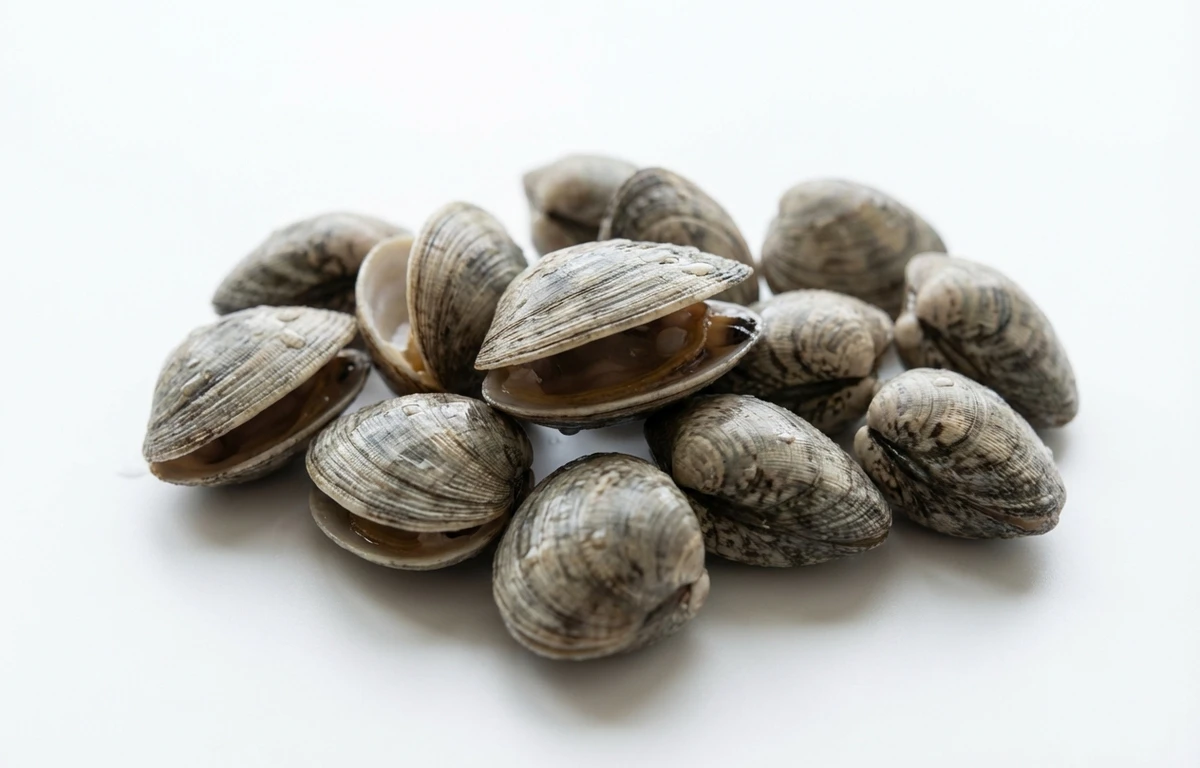
- 1Scrub shells thoroughly under cold running water to remove sand and grit
- 2Discard any clams that are open and do not close when tapped before cooking
- 3Steam only until the shells pop open to maintain a tender texture
STORAGE
Keep it fresh.
- Store live clams in a bowl covered with a damp cloth in the refrigerator
- Never store live clams in an airtight container or submerged in fresh water
- Use fresh clams within 1 to 2 days of purchase
FAQ
Frequently asked questions.
How long do fresh littleneck clams last?
Fresh, live littleneck clams should be consumed within 24 to 48 hours of purchase for the best quality and safety.
How can I tell if a clam is dead before cooking?
If a clam shell is open, tap it gently. If it doesn't close tightly, the clam is dead and should be discarded.
What is the best way to remove sand from clams?
Soak them in a bowl of cool salted water (about 1/3 cup salt per gallon) for 20-30 minutes to allow them to purge sand naturally.
Can I freeze littleneck clams?
Yes, you can freeze them in their shells in a moisture-proof bag for up to 3 months, or shuck them and freeze the meat in its own juice.
What are good substitutes for littleneck clams?
Manila clams or cockles are the best substitutes due to their similar size and sweet flavor.
Should I discard clams that don't open after cooking?
Yes, any clams that remain tightly closed after the full cooking time should be discarded as they may have been dead before cooking.
Are littleneck clams high in cholesterol?
They contain a moderate amount of cholesterol (about 34mg per 100g), which is lower than many other types of shellfish like shrimp.
What are the most common ways to serve littleneck clams?
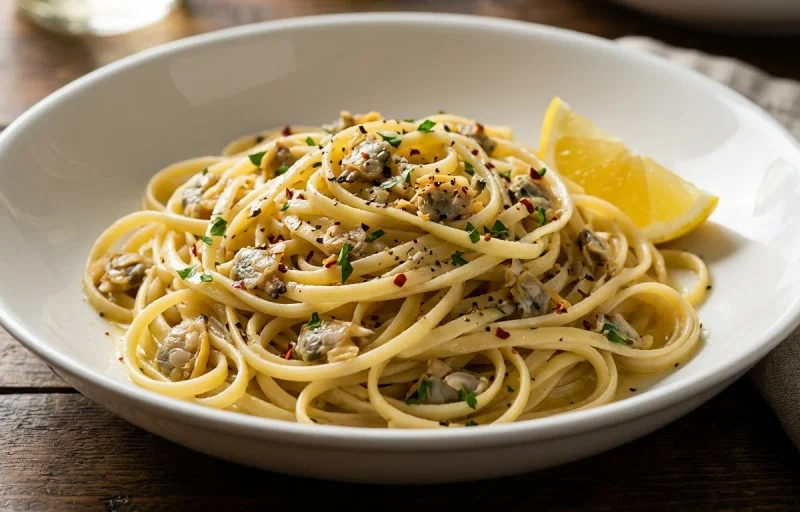
They are popular in pasta dishes like Linguine alle Vongole, steamed in white wine and garlic, or served raw on the half-shell.
What is the difference between a littleneck and a cherrystone clam?
They are the same species, but littlenecks are the smallest legal size (about 1-2 inches), making them the most tender and desirable for steaming.
RECIPES
Cook with littleneck clams.
5 recipes · sorted by what’s quick