
Other2 recipes
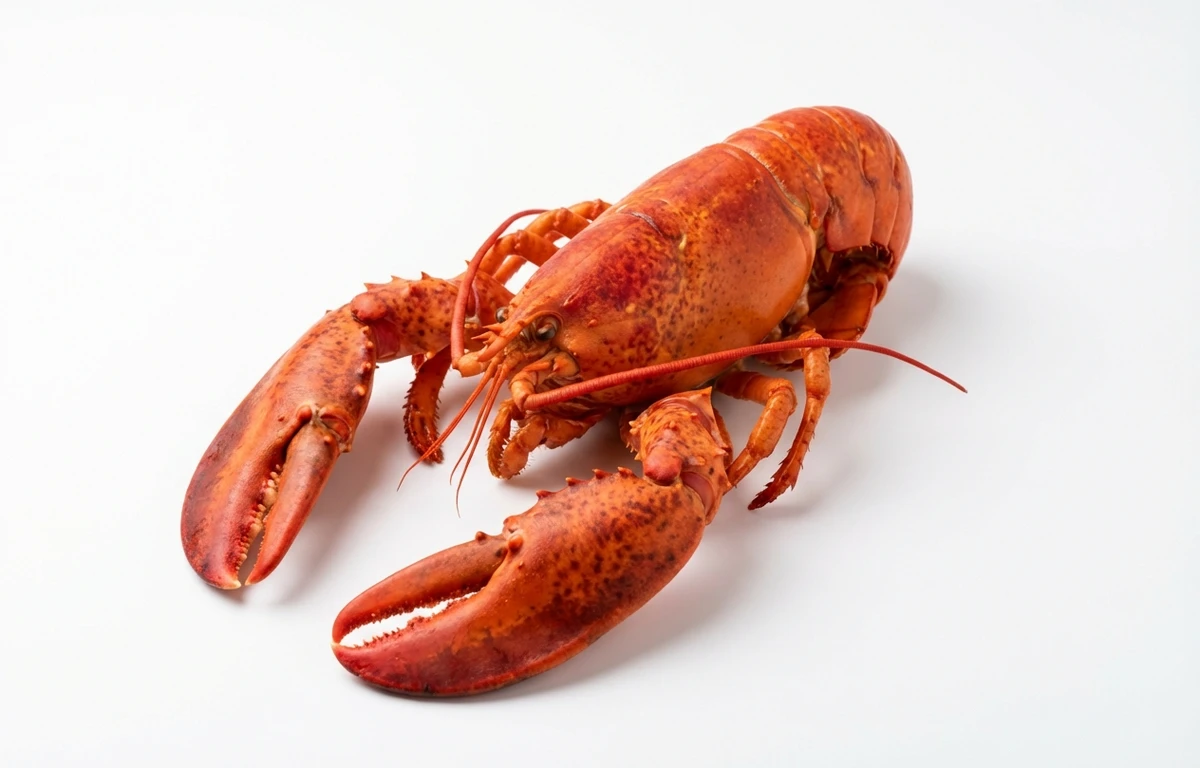
live lobster.
VegetarianVeganGluten-freeDairy-freeNut-freePeanut-freeSoy-freeEgg-freeShellfish-freeHoney-freeAlcohol-freeHalalKosher
ALSO KNOWN AS
live lobsters
SERVING
CALORIES
89
PROTEIN
19g
CARBS
0g
FAT
0.90g
FIBER
0g
This ingredient is flagged as naturally gluten-free. Per 100 g, it provides 0.10 µg of vitamin K.
NUTRITION PROFILE · per 100 g
Everything in this ingredient.
MACRONUTRIENTS
Calories89kcal—
Protein19g38%
Carbohydrates0g0%
Fiber0g0%
Sugar0g0%
Total fat0.90g1%
Saturated fat0.20g1%
Trans fat0g—
Cholesterol95mg32%
Water78.5g—
MINERALS
Sodium296mg13%
Potassium230mg5%
Calcium61mg5%
Iron0.30mg2%
Magnesium27mg6%
Phosphorus185mg15%
Zinc3.0mg27%
Copper1.3mg144%
Manganese0.03mg1%
Selenium31.4µg57%
VITAMINS
Vitamin A21µg2%
Vitamin C0mg0%
Vitamin D0µg0%
Vitamin E1.0mg7%
Vitamin K0.10µg0%
Thiamin (B1)0.01mg1%
Riboflavin (B2)0.01mg1%
Niacin (B3)1.5mg9%
Pantothenic acid (B5)0.50mg10%
Vitamin B60.10mg6%
Folate (B9)9.0µg2%
Vitamin B121.1µg46%
%DV based on a 2,000 cal diet. Source: USDA FoodData Central. A dash in the %DV column means there’s no established Daily Value for that nutrient.
MEASUREMENT CONVERSIONS
How much is what.
1 oz28.4g
1 lb453.6g
1 piece680g
HEALTH BENEFITS
Why eat it.
- ✓Excellent source of high-quality lean protein
- ✓Rich in Vitamin B12 for brain and nerve function
- ✓High in Selenium which supports thyroid health
- ✓Contains Omega-3 fatty acids for heart health
COOKING TIPS
In the kitchen.
- 1Steam or boil for 7-8 minutes for the first pound, plus 3 minutes for each additional pound
- 2The lobster is fully cooked when the shell is bright red and the meat is opaque and firm
- 3Remove the rubber bands from the claws only immediately before placing in the pot
STORAGE
Keep it fresh.
- Keep alive in the refrigerator in an open container covered with damp seaweed or wet newspaper
- Never store live lobsters in fresh water or airtight plastic bags as they will die
- Cook within 12 to 24 hours of purchase for maximum freshness and safety
FAQ
Frequently asked questions.
How long can I keep a live lobster before cooking?
A live lobster should ideally be cooked the same day it is purchased, but it can be kept for up to 24 hours if stored properly in a cold, damp environment.
How do I know if a live lobster is healthy?
Look for lobsters that are active and move their claws and tails vigorously when picked up. Avoid lobsters that appear lethargic or have drooping tails.
What is the best way to store live lobster?
Store them in the coldest part of your refrigerator in an open box or bowl, covered with damp paper towels or seaweed to keep them moist.
Can I freeze a live lobster?
No, you should never freeze a lobster while it is still alive. It is best to cook the lobster first, then remove the meat and freeze it in an airtight container.
What can I use as a substitute for lobster?
Langoustines, crawfish, or large prawns are the best seafood substitutes. For a similar texture in cooked dishes, monkfish is often called 'poor man's lobster'.
Is lobster high in cholesterol?
Lobster does contain cholesterol (about 95mg per 100g), but it is very low in saturated fat, making it a heart-healthy protein choice for most people.
How do I humanely kill a lobster?
Many chefs recommend placing the lobster in the freezer for 15-20 minutes to numb it, then quickly inserting a knife into the cross-mark on the head before cooking.
What parts of the lobster are edible?
The tail and claw meat are the most popular, but the knuckle meat and legs also contain sweet meat. The 'tomalley' (green liver) is edible but may contain toxins.
RECIPES
Cook with live lobster.
2 recipes · sorted by what’s quick



















