Other10 recipes
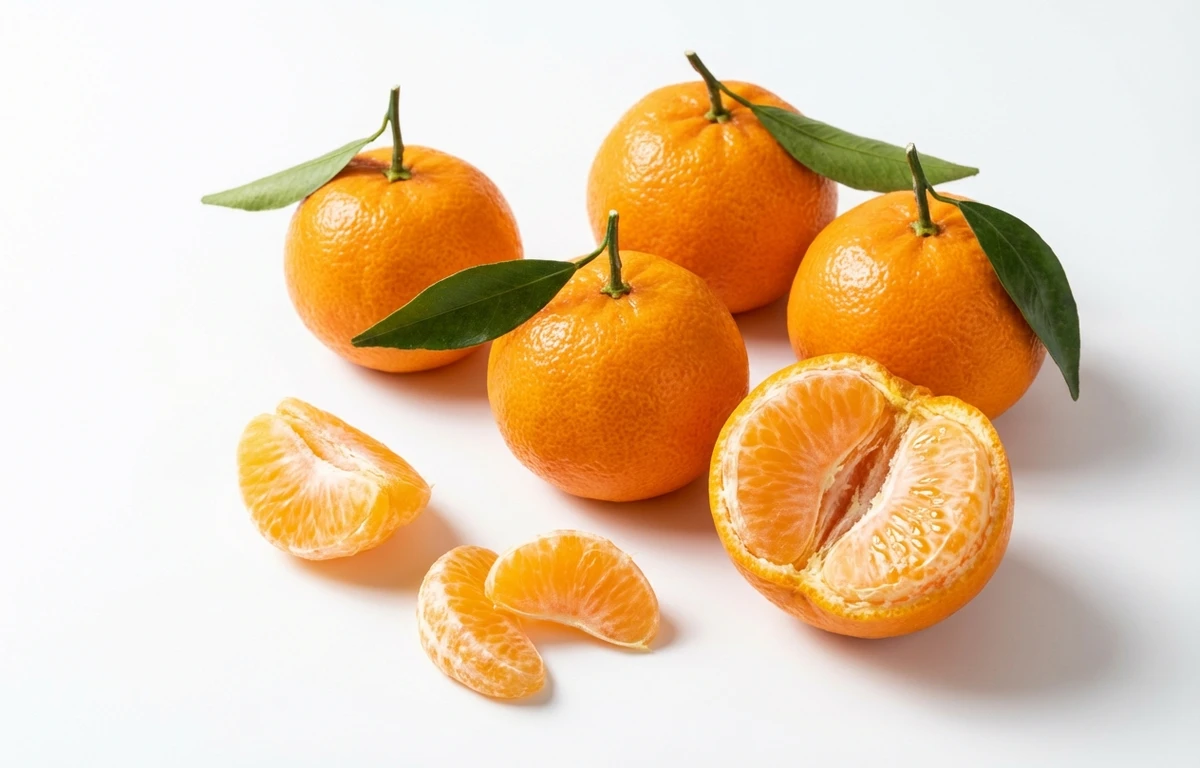
mandarin oranges.
VegetarianVeganGluten-freeDairy-freeNut-freePeanut-freeSoy-freeEgg-freeShellfish-freeHoney-freeAlcohol-free
ALSO KNOWN AS
mandarinstangerinesclementines
SERVING
CALORIES
53
PROTEIN
0.81g
CARBS
13.3g
FAT
0.31g
FIBER
1.8g
This ingredient is flagged as naturally gluten-free. Per 100 g, it provides 0 µg of vitamin K.
NUTRITION PROFILE · per 100 g
Everything in this ingredient.
MACRONUTRIENTS
Calories53kcal—
Protein0.81g2%
Carbohydrates13.3g5%
Fiber1.8g6%
Sugar10.6g21%
Total fat0.31g0%
Saturated fat0.04g0%
Trans fat0g—
Cholesterol0mg0%
Water85.2g—
MINERALS
Sodium2.0mg0%
Potassium166mg4%
Calcium37mg3%
Iron0.15mg1%
Magnesium12mg3%
Phosphorus20mg2%
Zinc0.07mg1%
Copper0.04mg4%
Manganese0.04mg2%
Selenium0.10µg0%
VITAMINS
Vitamin A34µg4%
Vitamin C26.7mg30%
Vitamin D0µg0%
Vitamin E0.20mg1%
Vitamin K0µg0%
Thiamin (B1)0.06mg5%
Riboflavin (B2)0.04mg3%
Niacin (B3)0.38mg2%
Pantothenic acid (B5)0.22mg4%
Vitamin B60.08mg5%
Folate (B9)16µg4%
Vitamin B120µg0%
%DV based on a 2,000 cal diet. Source: USDA FoodData Central. A dash in the %DV column means there’s no established Daily Value for that nutrient.
MEASUREMENT CONVERSIONS
How much is what.
1 cup195g
1 tablespoon12.2g
1 teaspoon4.1g
1 oz28.4g
1 lb453.6g
1 ml0.8g
1 liter812.5g
1 piece88g
HEALTH BENEFITS
Why eat it.
- ✓Contains soluble fiber and potassium, which may contribute to heart health by helping to manage cholesterol and blood pressure levels.
COOKING TIPS
In the kitchen.
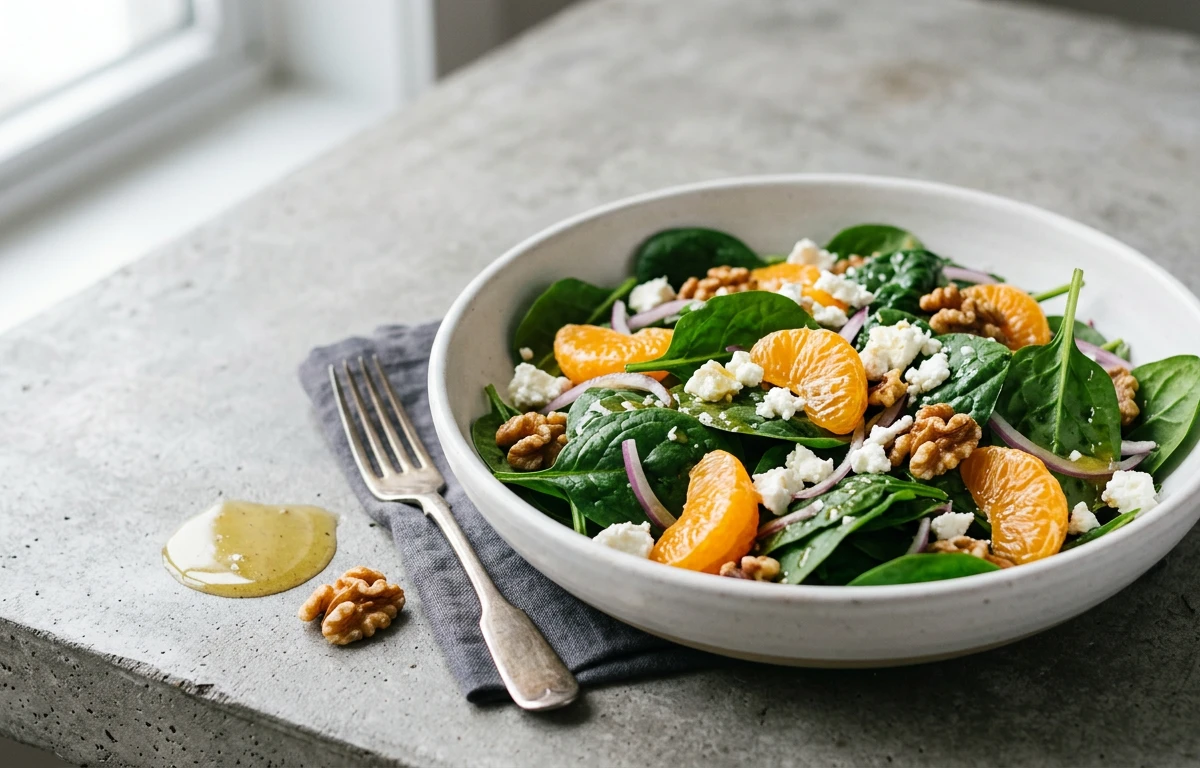
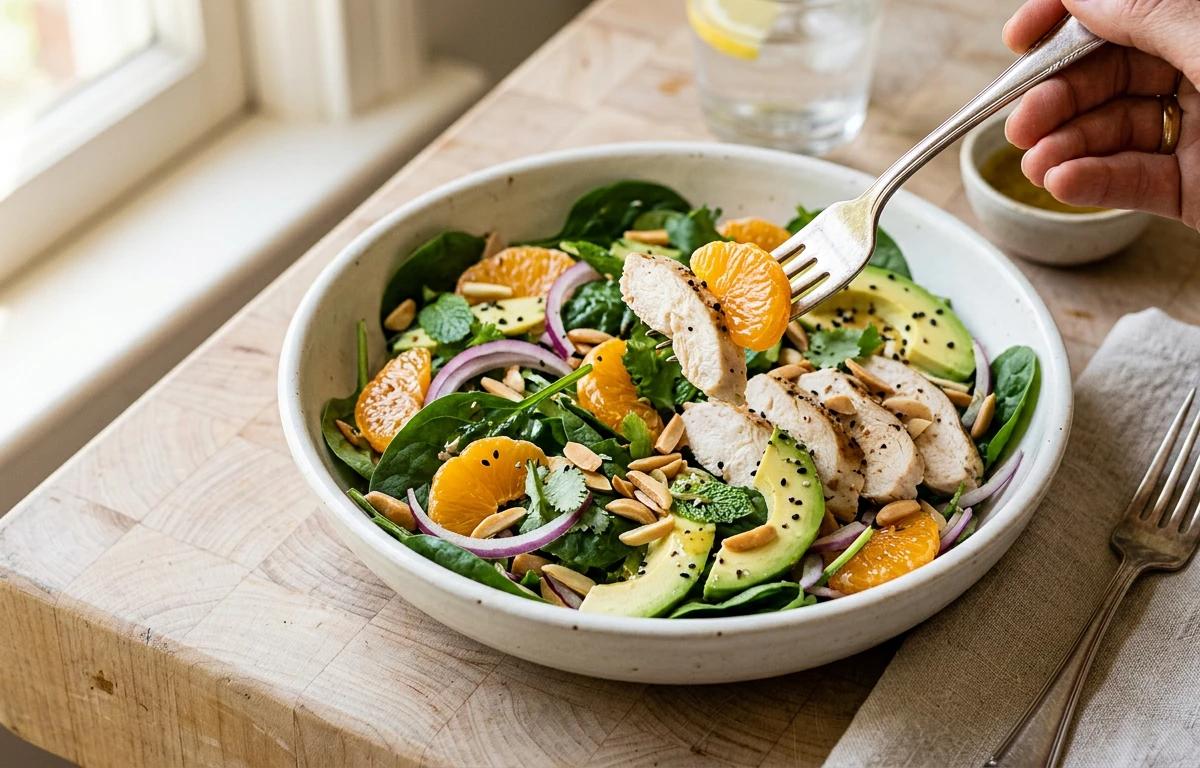
- 1Add segments to salads, particularly spinach or arugula salads, for a burst of sweetness and acidity.
- 2Use the zest and juice in marinades for chicken, fish, or pork to add a bright, citrusy flavor.
- 3Incorporate segments into yogurt, oatmeal, or cottage cheese for a nutritious breakfast or snack.
- 4Candy the peels for a sweet treat or to use as a garnish for desserts and cocktails.
STORAGE
Keep it fresh.
- For short-term storage (up to one week), keep mandarin oranges in a cool, dark place at room temperature.
- For longer storage (up to two weeks), place them loose in the crisper drawer of your refrigerator to maintain freshness and prevent them from drying out.
FAQ
Frequently asked questions.
How many calories and carbs are in mandarin oranges?
Per 100g, mandarin oranges contain approximately 53 calories and 13.34g of carbohydrates. They also provide 0.81g of protein and 0.31g of fat, making them a low-calorie, low-fat fruit.
Are mandarin oranges gluten-free and vegan?
Yes, mandarin oranges are naturally gluten-free and vegan. As a whole fruit, they contain no animal products or gluten-containing ingredients, making them suitable for these dietary preferences.
What do mandarin oranges taste like and how can I use them?
Mandarin oranges have a sweet, slightly tart, and juicy flavor, often described as less acidic than regular oranges. They are delicious eaten fresh, added to salads, desserts, or used in sauces and marinades for poultry or fish.
Do I need to peel mandarin oranges before eating?
Yes, mandarin oranges should be peeled before eating. Their skin is not typically consumed, though it can be zested for flavor. They are known for being easy to peel, making them a convenient snack.
How should I store mandarin oranges?
Store mandarin oranges at room temperature for up to a week if you plan to eat them soon. For longer storage, place them in the refrigerator's crisper drawer, where they can last for up to two weeks or more.
How do I know if a mandarin orange is fresh?
Look for mandarins that feel firm and heavy for their size, indicating juiciness. The skin should be bright orange, smooth, and free of soft spots or mold. A fragrant aroma is also a good sign of freshness.
Can mandarin oranges be frozen?
Yes, mandarin oranges can be frozen. It's best to peel them first, separate the segments, and remove as much white pith as possible. Freeze them in a single layer on a baking sheet before transferring to an airtight container or freezer bag for best results.
RECIPES
Cook with mandarin oranges.
10 recipes · sorted by what’s quick