fruit1 recipes
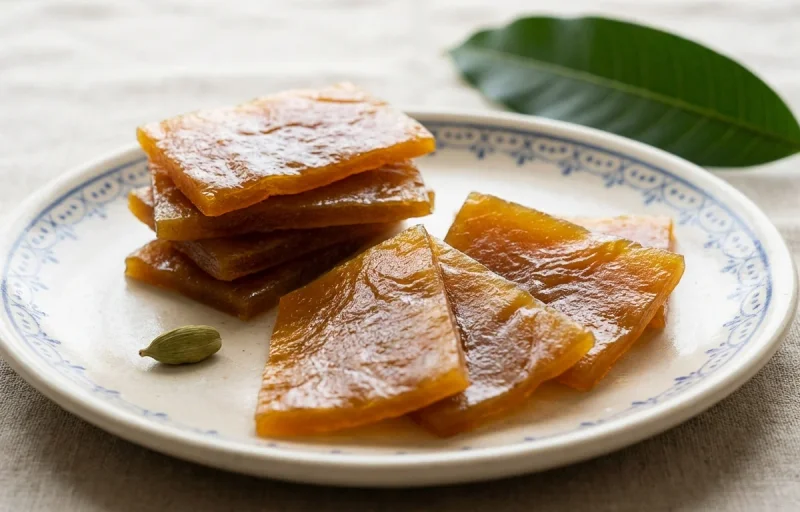
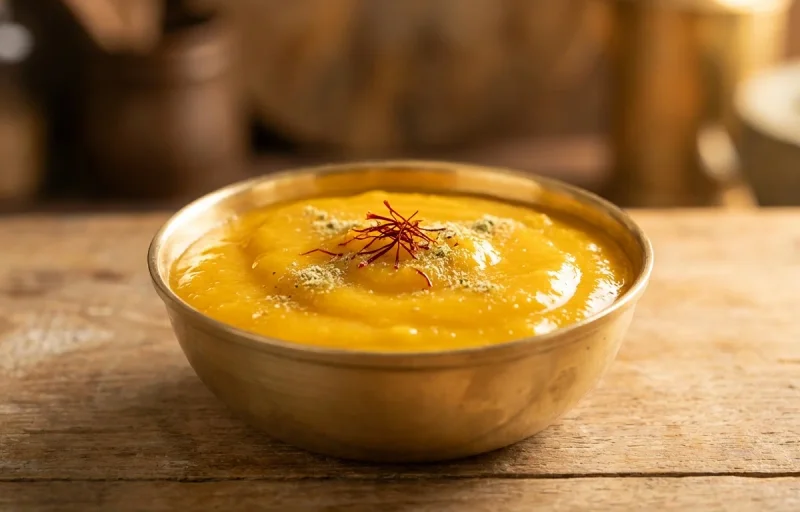
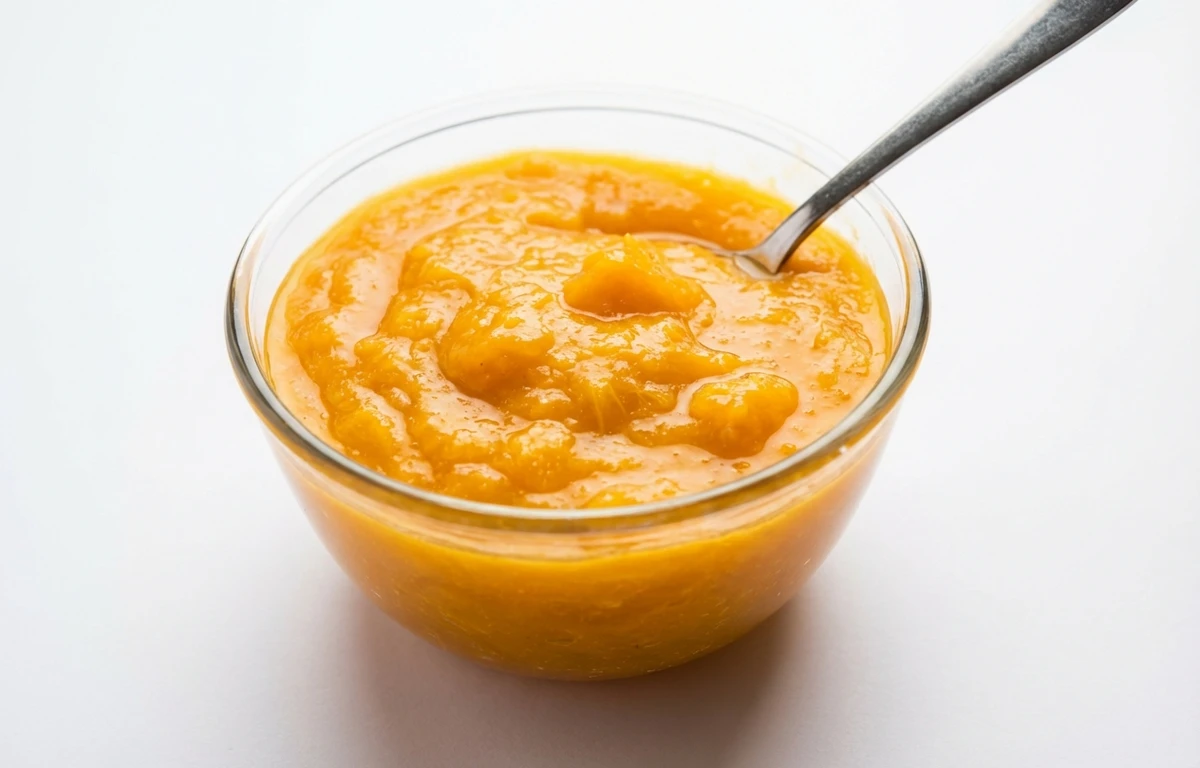
Mango Pulp.
VegetarianVeganGluten-freeDairy-freeNut-freePeanut-freeSoy-freeEgg-freeShellfish-freeHoney-freeAlcohol-free
SERVING
CALORIES
65
PROTEIN
0.50g
CARBS
17g
FAT
0.30g
FIBER
1.6g
NUTRITION PROFILE · per 100 g
Everything in this ingredient.
MACRONUTRIENTS
Calories65kcal—
Protein0.50g1%
Carbohydrates17g6%
Fiber1.6g6%
Sugar14g28%
Total fat0.30g0%
Saturated fat0.10g1%
Cholesterol0mg0%
Water80g—
MINERALS
Sodium2.0mg0%
Potassium156mg3%
Calcium10mg1%
Iron0.10mg1%
Magnesium9.0mg2%
Phosphorus11mg1%
Zinc0.10mg1%
Copper0.10mg11%
Manganese0.10mg4%
Selenium0.60µg1%
VITAMINS
Vitamin A54µg6%
Vitamin C27.7mg31%
Vitamin E0.90mg6%
Vitamin K4.2µg4%
Thiamin (B1)0.03mg3%
Riboflavin (B2)0.04mg3%
Niacin (B3)0.60mg4%
Pantothenic acid (B5)0.16mg3%
Vitamin B60.12mg7%
Folate (B9)43µg11%
%DV based on a 2,000 cal diet. Source: USDA FoodData Central. A dash in the %DV column means there’s no established Daily Value for that nutrient.
MEASUREMENT CONVERSIONS
How much is what.
1 cup0.4g
1 tablespoon6.4g
1 teaspoon19.2g
1 oz3.5g
1 lb0.2g
1 ml96.2g
1 liter0.1g
HEALTH BENEFITS
Why eat it.
- ✓Rich in Vitamin C, supporting immune function and skin health.
- ✓Good source of Vitamin A (beta-carotene), beneficial for vision.
- ✓Contains dietary fiber, aiding in digestive health.
- ✓Provides antioxidants that help protect cells from damage.
- ✓Source of potassium, important for blood pressure regulation.
COOKING TIPS
In the kitchen.
- 1Use as a base for smoothies, milkshakes, and lassi.
- 2Incorporate into desserts like puddings, custards, and ice creams.
- 3Can be used in savory dishes, such as glazes for poultry or in chutneys.
STORAGE
Keep it fresh.
- Store unopened cans or pouches in a cool, dry place.
- Once opened, transfer to an airtight container and refrigerate for up to 5-7 days.
- For longer storage, freeze in ice cube trays or freezer-safe containers for several months.
FAQ
Frequently asked questions.
Is mango pulp healthy?
Yes, mango pulp is highly nutritious as it is rich in Vitamin C for immune support and Vitamin A for eye health. It also contains antioxidants and potassium, which help protect cells and regulate blood pressure.
How many calories and carbs are in mango pulp?
A 100g serving of mango pulp typically contains 65 calories and 17g of carbohydrates. It is a low-fat ingredient with only 0.3g of fat and 0.5g of protein per serving.
Is mango pulp good for weight loss?
Mango pulp can be part of a weight loss diet because it contains dietary fiber which aids digestion and promotes fullness. However, because it is calorie-dense and contains natural sugars, it should be consumed in moderation.
Is mango pulp vegan and gluten-free?
Yes, pure mango pulp is naturally vegan and gluten-free. It is a plant-based fruit product that contains no animal derivatives or wheat-based proteins.
Can diabetics eat mango pulp?
Diabetics should consume mango pulp in moderation because it has a moderate glycemic index and concentrated natural sugars. It is best to monitor portion sizes and consult with a healthcare provider regarding fruit intake.
What are the best ways to use mango pulp in cooking?
Mango pulp is incredibly versatile and is commonly used to make mango lassis, smoothies, sorbets, and mousses. It can also be used in savory dishes like marinades, salad dressings, or spicy mango chutneys.
Can I substitute fresh mangoes with mango pulp?
Yes, mango pulp is an excellent substitute for fresh mangoes in recipes that require a blended consistency, such as sauces or desserts. However, it cannot replace the firm texture of fresh mango chunks in salads or salsas.
How should I store leftover mango pulp?
Leftover mango pulp should be transferred to an airtight container and refrigerated, where it will stay fresh for 5 to 7 days. For longer storage, you can freeze the pulp in ice cube trays for up to 6 months.
How do I know if mango pulp has gone bad?
Signs of spoilage include a sour or fermented odor, the presence of mold, or a change in color to a dark brown. If the pulp tastes fizzy or the canned container is bulging, it should be discarded immediately.
Does mango pulp contain added sugar?
Pure mango pulp contains only natural fruit sugars; however, many commercial canned brands add sugar or syrup to enhance sweetness. Always check the ingredient label if you are looking for an unsweetened product.
RECIPES
Cook with mango pulp.
1 recipes · sorted by what’s quick