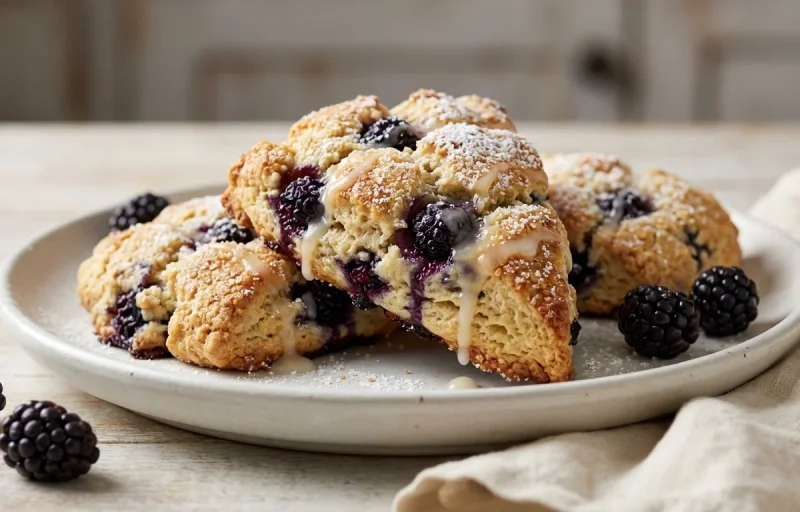
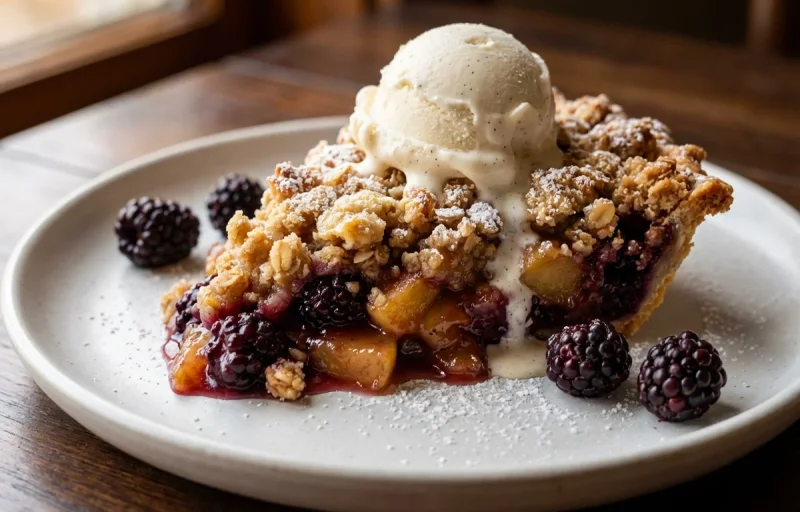
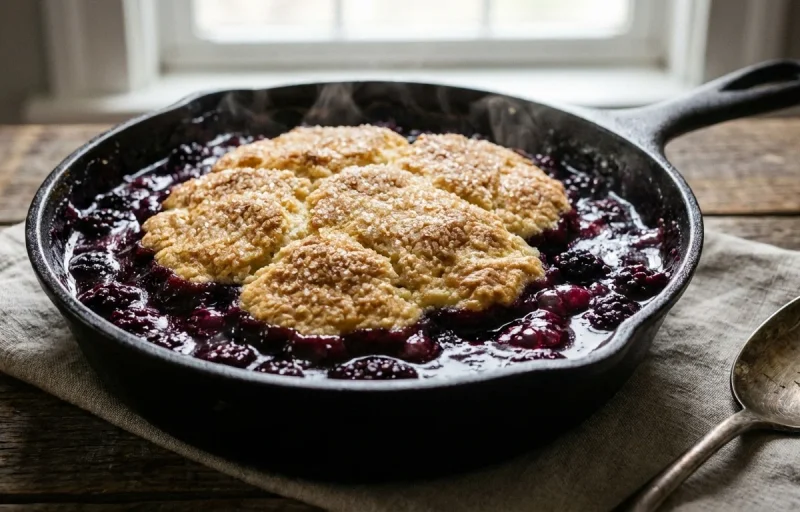
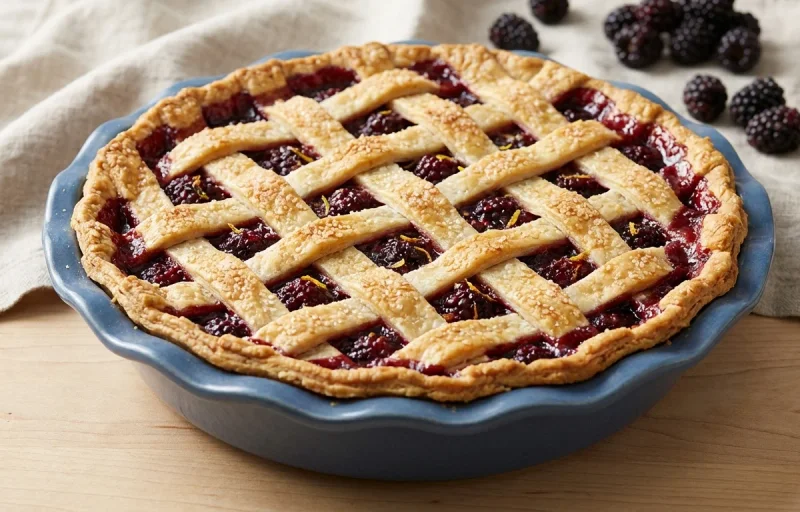
Other3 recipes
marionberries.
VegetarianVeganGluten-freeDairy-freeNut-freePeanut-freeSoy-freeEgg-freeShellfish-freeHoney-freeAlcohol-freeHalalKosher
ALSO KNOWN AS
marion berry
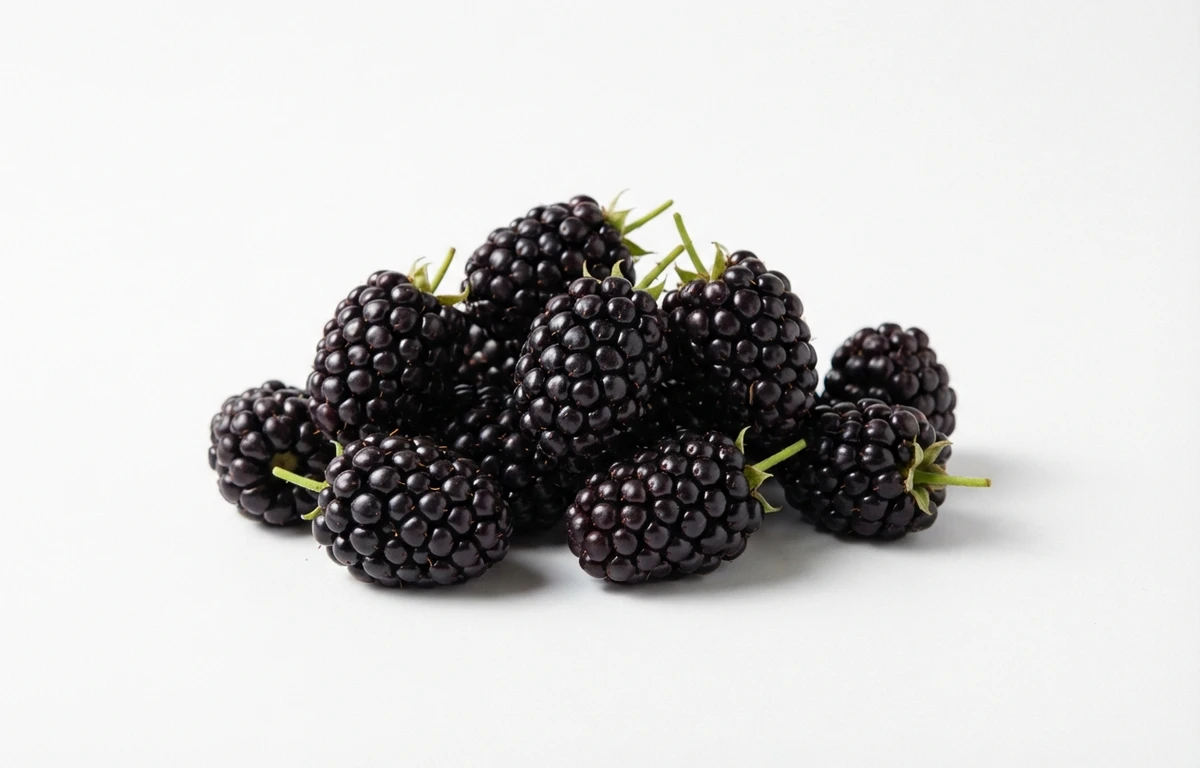
SERVING
CALORIES
43
PROTEIN
1.4g
CARBS
9.6g
FAT
0.49g
FIBER
5.3g
This ingredient is flagged as naturally gluten-free. Per 100 g, it provides 20 µg of vitamin K.
NUTRITION PROFILE · per 100 g
Everything in this ingredient.
MACRONUTRIENTS
Calories43kcal—
Protein1.4g3%
Carbohydrates9.6g3%
Fiber5.3g19%
Sugar4.9g10%
Total fat0.49g1%
Saturated fat0.02g0%
Cholesterol0mg0%
MINERALS
Sodium1.0mg0%
Potassium162mg3%
Calcium29mg2%
Iron0.62mg3%
Magnesium20mg5%
Phosphorus30mg2%
Zinc0.30mg3%
Copper0.08mg9%
Manganese0.65mg28%
Selenium0.40µg1%
VITAMINS
Vitamin A11µg1%
Vitamin C21mg23%
Vitamin D0µg0%
Vitamin E1.1mg7%
Vitamin K20µg17%
Thiamin (B1)0.02mg2%
Riboflavin (B2)0.03mg2%
Niacin (B3)0.60mg4%
Pantothenic acid (B5)0.40mg8%
Vitamin B60.05mg3%
Folate (B9)25µg6%
Vitamin B120µg0%
%DV based on a 2,000 cal diet. Source: USDA FoodData Central. A dash in the %DV column means there’s no established Daily Value for that nutrient.
MEASUREMENT CONVERSIONS
How much is what.
1 cup144g
1 tablespoon9g
1 teaspoon3g
1 ml0.6g
1 liter600g
COOKING TIPS
In the kitchen.
- 1Gently rinse and pat dry just before using to prevent them from becoming mushy.
- 2Their complex sweet-tart flavor makes them ideal for pies, cobblers, jams, and sauces. They can be used as a 1:1 substitute for blackberries.
- 3The deep purple juice can stain surfaces and fabrics, so handle with care.
- 4Pair with flavors like lemon zest, vanilla, cinnamon, or almond to enhance their natural taste in both sweet and savory dishes.
STORAGE
Keep it fresh.
- Refrigerate fresh, unwashed marionberries in a breathable container for up to 3-5 days. Avoid stacking them to prevent crushing.
- For long-term storage, freeze berries in a single layer on a baking sheet until solid, then transfer to an airtight freezer bag for up to one year.
FAQ
Frequently asked questions.
Are marionberries vegan and gluten-free?
Yes, marionberries are naturally vegan as they are a fruit, and they are also naturally gluten-free. They are a safe and healthy choice for individuals following these dietary restrictions.
Are marionberries keto-friendly?
With approximately 9.61g of carbohydrates per 100g, marionberries are relatively higher in carbs compared to some other berries like raspberries or blackberries. While they can be consumed in very small portions on a strict keto diet, they are generally not considered highly keto-friendly.
How do you use marionberries in cooking?
Marionberries are incredibly versatile. They are excellent in desserts like pies, crumbles, and tarts, or as a topping for yogurt, oatmeal, and ice cream. They can also be used in savory dishes, sauces for meats, or blended into smoothies and jams.
What do marionberries taste like?
Marionberries have a distinct, complex flavor profile. They are often described as a cross between a blackberry and a raspberry, offering a deep, sweet, and tart taste with earthy undertones. They are known for their intense berry flavor.
Can you freeze marionberries?
Yes, marionberries freeze very well. To freeze, spread them in a single layer on a baking sheet and freeze until solid, then transfer to an airtight freezer bag or container. They can be stored in the freezer for up to 6-12 months.
RECIPES
Cook with marionberries.
3 recipes · sorted by what’s quick