Other3 recipes
marshmallow fluff.
VegetarianVeganGluten-freeDairy-freeNut-freePeanut-freeSoy-freeEgg-freeShellfish-freeHoney-freeAlcohol-freeHalalKosher
ALSO KNOWN AS
marshmallow cremefluff
SERVING
CALORIES
333
PROTEIN
0.50g
CARBS
83.3g
FAT
0g
FIBER
0g
This ingredient is flagged as naturally gluten-free. Per 100 g, it provides 0 µg of vitamin K.
NUTRITION PROFILE · per 100 g
Everything in this ingredient.
MACRONUTRIENTS
Calories333kcal—
Protein0.50g1%
Carbohydrates83.3g30%
Fiber0g0%
Sugar66.7g133%
Total fat0g0%
Saturated fat0g0%
Cholesterol0mg0%
Water16.2g—
MINERALS
Sodium14mg1%
Potassium0mg0%
Calcium0mg0%
Iron0mg0%
Magnesium2.0mg0%
Phosphorus3.0mg0%
Zinc0.01mg0%
Copper0.01mg1%
Manganese0mg0%
Selenium0.10µg0%
VITAMINS
Vitamin A0µg0%
Vitamin C0mg0%
Vitamin D0µg0%
Vitamin E0mg0%
Vitamin K0µg0%
Thiamin (B1)0mg0%
Riboflavin (B2)0mg0%
Niacin (B3)0mg0%
Pantothenic acid (B5)0.01mg0%
Vitamin B60mg0%
Folate (B9)0µg0%
Vitamin B120µg0%
%DV based on a 2,000 cal diet. Source: USDA FoodData Central. A dash in the %DV column means there’s no established Daily Value for that nutrient.
MEASUREMENT CONVERSIONS
How much is what.
1 cup60g
1 tablespoon3.8g
1 teaspoon1.3g
1 oz28g
1 lb448g
1 ml0.3g
1 liter250g
HEALTH BENEFITS
Why eat it.
- ✓Provides a quick source of energy from simple carbohydrates.
- ✓Is a fat-free and cholesterol-free food product.
- ✓Typically very low in sodium.
COOKING TIPS
In the kitchen.
- 1To easily scoop and spread, dip your spoon or spatula in warm water first to prevent sticking.
- 2Use as the base for no-bake desserts, frostings, or classic fudge recipes like 'Never-Fail Fudge'.
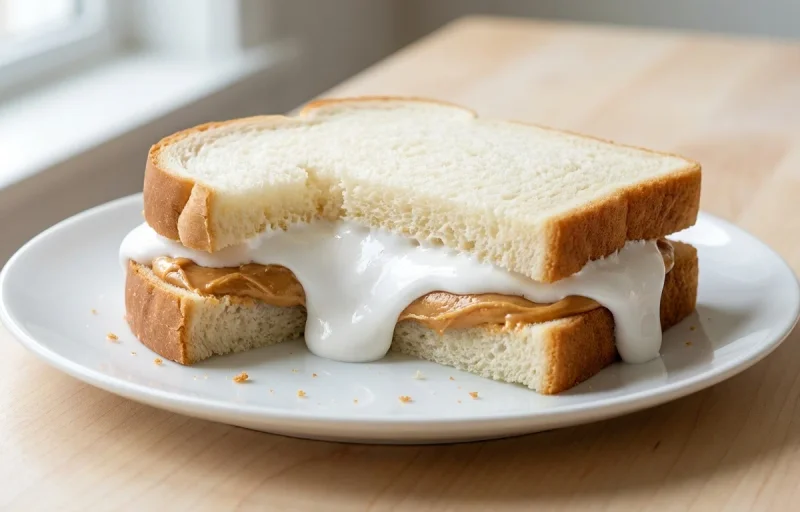
- 3Create a classic 'Fluffernutter' sandwich by spreading it on bread with peanut butter.
- 4Gently fold into brownie or cake batter before baking to create a gooey marshmallow swirl.
STORAGE
Keep it fresh.
- Store unopened containers in a cool, dry place like a pantry.
- After opening, keep the container tightly sealed at room temperature. Refrigeration is not recommended as it can cause hardening.
- For best quality, consume within two to three months after opening.
FAQ
Frequently asked questions.
What are the nutritional facts for marshmallow fluff?
Per 100g, marshmallow fluff contains approximately 333 calories, 0.5g protein, 83.3g carbohydrates (almost entirely sugar), and 0g fat. It is also typically very low in sodium. Its primary benefit is providing a quick source of energy from simple carbohydrates.
Is marshmallow fluff vegan?
Most commercial brands of marshmallow fluff are not vegan because they contain egg whites. Some traditional recipes and specialty brands may also include gelatin, an animal-derived ingredient. Always check the ingredient list for specific vegan claims.
Is marshmallow fluff gluten-free?
Yes, marshmallow fluff is typically gluten-free. Its main ingredients—sugar, corn syrup, dried egg whites, and vanilla flavor—do not contain gluten. However, it's always wise to check the product label for specific gluten-free certification if you have a severe allergy or sensitivity.
How do you store marshmallow fluff?
Unopened jars of marshmallow fluff should be stored at room temperature in a cool, dry place. Once opened, keep the jar tightly sealed at room temperature. Refrigeration is not necessary and can cause the fluff to stiffen and become difficult to spread.
How long does marshmallow fluff last?
Unopened marshmallow fluff has a long shelf life, often lasting for several months to a year past its production date, indicated by a 'best by' date on the jar. Once opened, it's best consumed within a few weeks for optimal texture and freshness, though it can remain safe to eat longer if properly sealed.
Does marshmallow fluff contain common allergens?
Yes, marshmallow fluff typically contains egg whites, which are a common allergen. Individuals with egg allergies should avoid it or look for specific egg-free alternatives. It is generally free of other major allergens like dairy, nuts, soy, and gluten, but always check the label.
RECIPES
Cook with marshmallow fluff.
3 recipes · sorted by what’s quick