
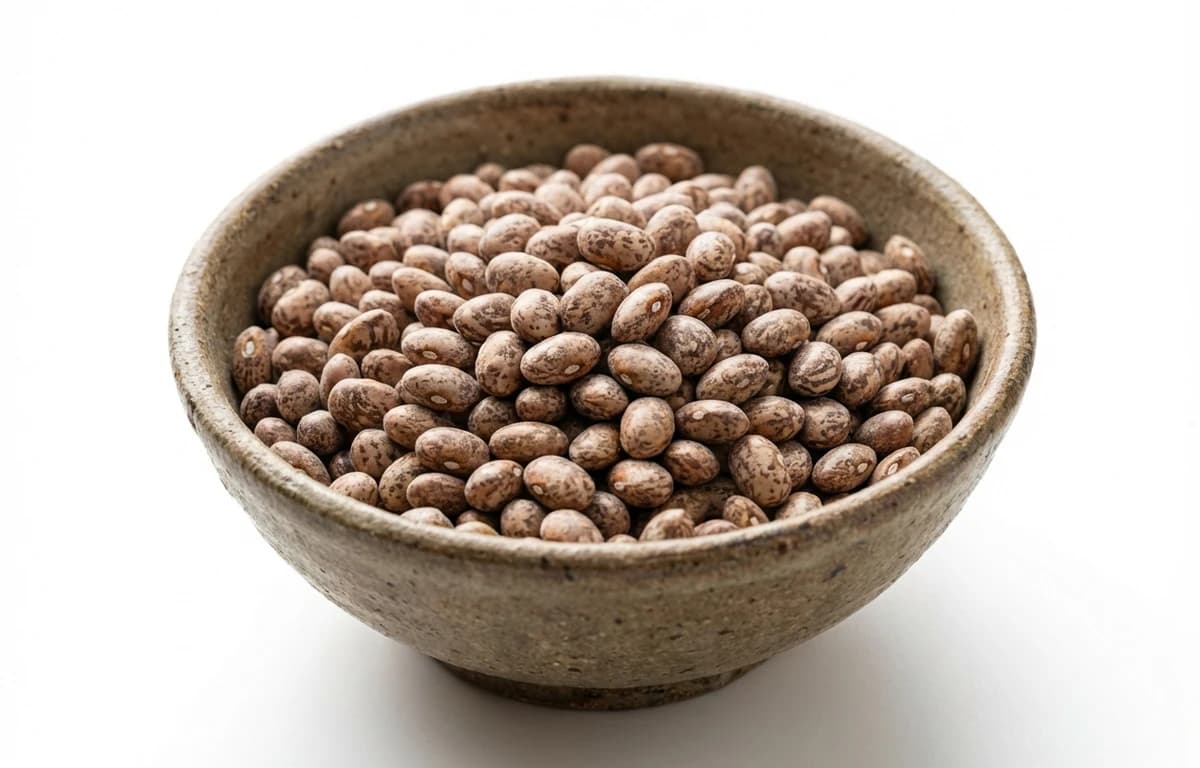
matimah
Also known as: Urad Dal, Black Gram, Maash
Loading...
Also known as: Urad Dal, Black Gram, Maash
Per 100g
Nutrition data source: USDA FoodData Central
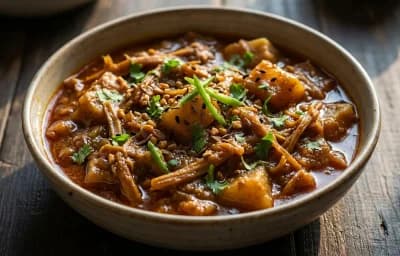
Koldil Khar is a quintessential Assamese dish, celebrated for its unique earthy and savory flavor profile. This traditional delicacy features tender banana flower (koldil) and black gram lentils (matimah) cooked in an alkaline solution called 'khar', which lends the dish its distinctive taste and digestive properties. Served as the first course in a classic Assamese meal, it's a comforting and nutritious dish best enjoyed with steamed rice.
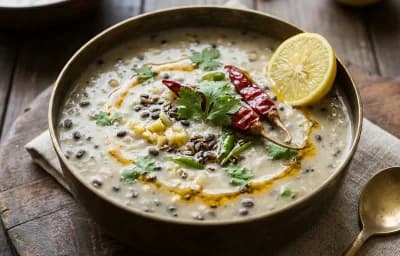
A rustic and creamy black lentil dal from Assam, slow-cooked to perfection. Flavored with ginger and a hint of mustard oil, this comforting dish is a staple in Assamese cuisine, best enjoyed with steamed rice.
Yes, matimah is a very healthy legume. It is rich in protein, dietary fiber, and essential minerals like iron, potassium, calcium, and magnesium. Its low glycemic index also makes it beneficial for blood sugar management.
Matimah is an excellent source of plant-based protein, crucial for muscle repair and growth. Its high fiber content supports digestive health and promotes satiety. It also provides iron to prevent anemia, potassium for heart health, and minerals like calcium and magnesium for strong bones.
Per 100 grams, matimah contains approximately 343 calories. It is also a significant source of protein, providing about 22.9 grams per 100-gram serving, along with 61.5 grams of carbohydrates and 1.6 grams of fat.
Yes, as a legume, matimah is naturally 100% plant-based and an excellent addition to both vegan and vegetarian diets. It serves as a valuable source of protein and other essential nutrients for those avoiding animal products.
Yes, matimah is naturally gluten-free. It is a legume and does not contain wheat, barley, rye, or their derivatives, making it a safe and nutritious option for individuals with celiac disease or gluten sensitivity.
Yes, matimah has a low glycemic index, meaning it causes a slower and more gradual rise in blood sugar levels compared to high-GI foods. This property makes it a beneficial food choice for individuals managing diabetes or seeking to maintain stable blood sugar.
Like many dried legumes, matimah typically requires soaking before cooking to reduce cooking time and improve digestibility. After soaking, rinse thoroughly and boil in fresh water until tender, which can take anywhere from 45 minutes to 1.5 hours depending on the variety and age of the beans.
matimah is a versatile ingredient found in cuisines around the world. With 343 calories per 100g and 22.9 grams of protein, it's a nutritious addition to many dishes.
Explore more ingredients in the legume category with complete nutrition information.
View all legume →Matimah generally has an earthy, slightly nutty flavor profile, similar to other common beans or lentils. It can be used versatilely in various dishes, including hearty stews, soups, salads, curries, or as a nutritious side dish. It also works well mashed into dips or spreads.
Dried matimah should be stored in an airtight container in a cool, dry, and dark place, away from direct sunlight and moisture. When stored properly, it can last for several months to a year. Cooked matimah should be refrigerated in an airtight container and consumed within 3-4 days.
Yes, matimah can be beneficial for weight management due to its high protein and fiber content. Both nutrients promote satiety, helping you feel full longer and potentially reducing overall calorie intake. Its low fat content also makes it a lean protein source.