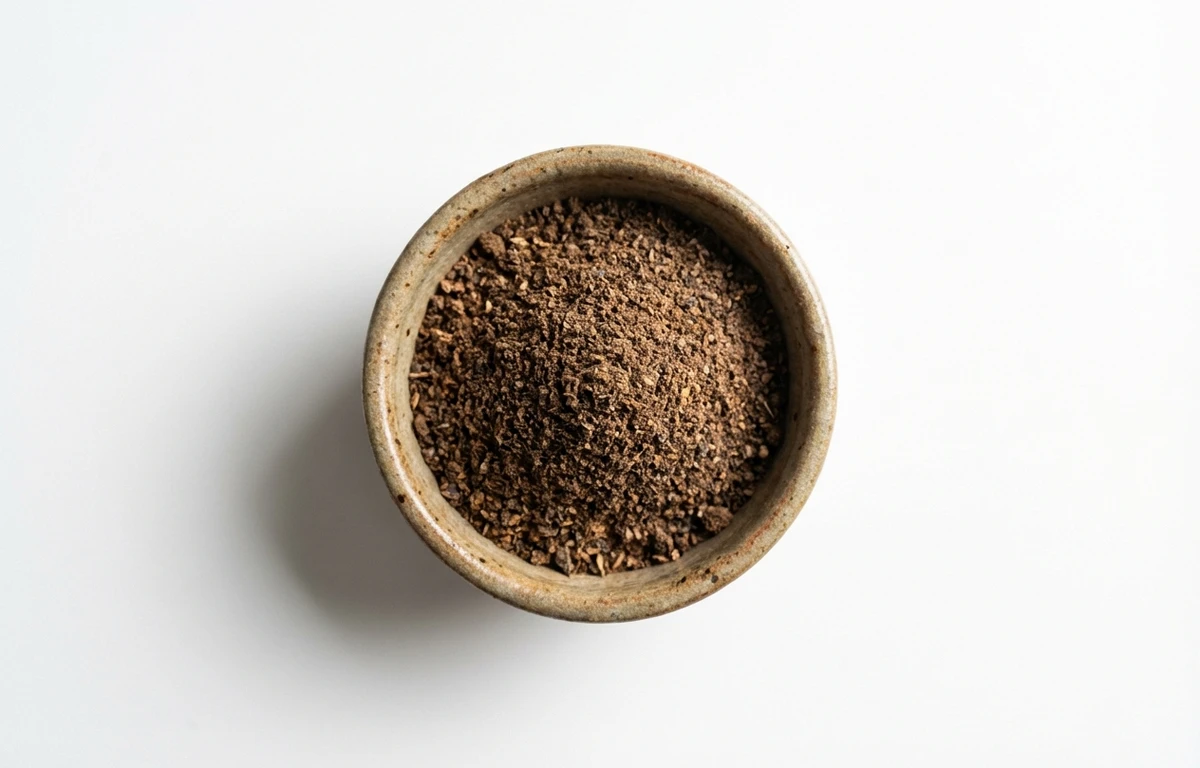
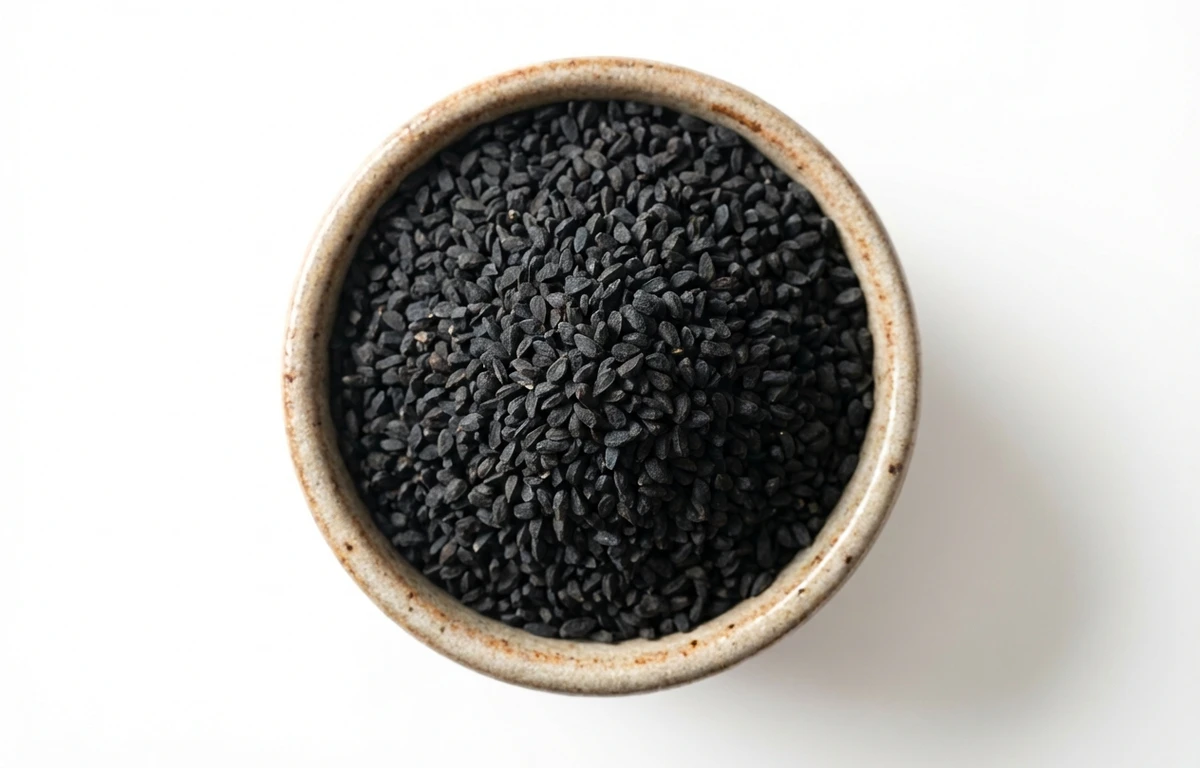
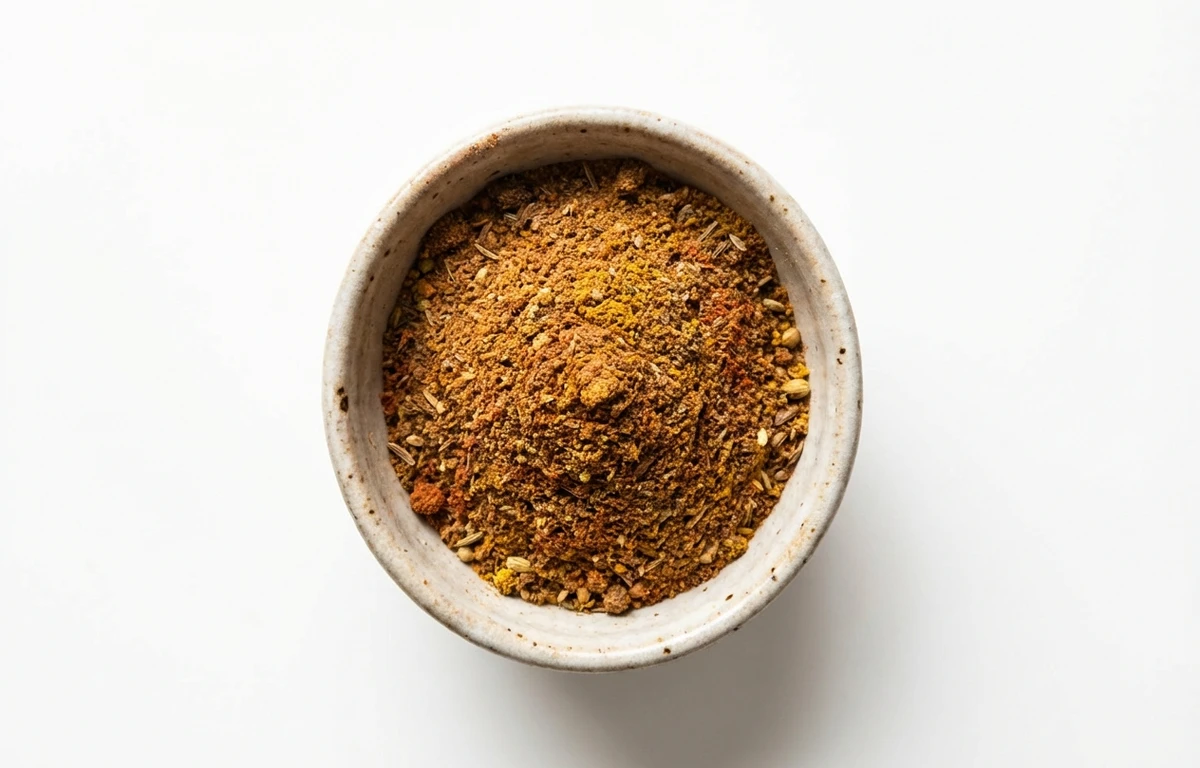
spice
menthya.
VegetarianVeganGluten-freeDairy-freeNut-freePeanut-freeSoy-freeEgg-freeShellfish-freeHoney-freeAlcohol-free
SERVING
CALORIES
323
PROTEIN
23g
CARBS
58.4g
FAT
6.4g
FIBER
24.6g
NUTRITION PROFILE · per 100 g
Everything in this ingredient.
MACRONUTRIENTS
Calories323kcal—
Protein23g46%
Carbohydrates58.4g21%
Fiber24.6g88%
Sugar0g0%
Total fat6.4g8%
Saturated fat1.5g7%
Trans fat0g—
Cholesterol0mg0%
Water8.8g—
MINERALS
Sodium67mg3%
Potassium770mg16%
Calcium176mg14%
Iron33.5mg186%
Magnesium191mg45%
Phosphorus296mg24%
Zinc2.5mg23%
Copper1.1mg123%
Manganese1.2mg53%
Selenium6.3µg11%
VITAMINS
Vitamin A3.0µg0%
Vitamin C3.0mg3%
Vitamin D0µg0%
Thiamin (B1)0.32mg27%
Riboflavin (B2)0.37mg28%
Niacin (B3)1.6mg10%
Vitamin B60.60mg35%
Folate (B9)57µg14%
Vitamin B120µg0%
%DV based on a 2,000 cal diet. Source: USDA FoodData Central. A dash in the %DV column means there’s no established Daily Value for that nutrient.
MEASUREMENT CONVERSIONS
How much is what.
1 tablespoon15g
1 teaspoon5g
HEALTH BENEFITS
Why eat it.
- ✓May help regulate blood sugar levels due to its soluble fiber and compound 4-hydroxyisoleucine.
- ✓Traditionally used as a galactagogue to increase milk production in breastfeeding mothers.
- ✓Rich in soluble fiber, which aids digestion, promotes satiety, and can help lower cholesterol levels.
- ✓Contains anti-inflammatory compounds like flavonoids and alkaloids that may help reduce inflammation.
COOKING TIPS
In the kitchen.
- 1To reduce their natural bitterness, lightly toast the seeds in a dry pan until fragrant or soak them in water for a few hours before use.
- 2Use sparingly as their strong, pungent, and slightly bitter flavor can easily overpower a dish.
- 3Sprout the seeds by soaking them overnight. The less bitter sprouts can be added to salads, curries, and sandwiches.
- 4Menthya is a key ingredient in tempering (tadka/oggarane), where seeds are fried in hot oil to release their aroma before being added to a dish.
STORAGE
Keep it fresh.
- Store whole fenugreek seeds in an airtight container in a cool, dark, and dry place for up to 2-3 years.
- Ground fenugreek loses its flavor more quickly; store it in an airtight container and use within 6 months for best potency.
FAQ
Frequently asked questions.
What are the health benefits of mentlya (fenugreek)?
Mentlya, or fenugreek, offers several health benefits. It may help regulate blood sugar levels due to its soluble fiber and compounds like 4-hydroxyisoleucine. It's also traditionally used to increase milk production in breastfeeding mothers and can aid digestion by promoting satiety and lowering cholesterol. Furthermore, it contains anti-inflammatory compounds.
How much protein and calories are in mentlya (fenugreek)?
Per 100g, mentlya (fenugreek) seeds contain approximately 323 calories, 23g of protein, 58.4g of carbohydrates, and 6.4g of fat. While these numbers are for a larger serving, even small amounts used as a spice contribute to your daily intake, especially protein and fiber.
Can mentlya (fenugreek) help with blood sugar control?
Yes, mentlya (fenugreek) has shown potential in helping to regulate blood sugar levels. Its high soluble fiber content slows down carbohydrate absorption, and compounds like 4-hydroxyisoleucine may improve insulin function. It's often studied for its benefits in managing type 2 diabetes.
Is mentlya (fenugreek) gluten-free?
Yes, mentlya (fenugreek) seeds are naturally gluten-free. As a spice, it is a seed from a plant and does not contain wheat, barley, or rye. However, always check product labels for potential cross-contamination if you have severe gluten sensitivity or celiac disease.
Is mentlya (fenugreek) keto-friendly?
While mentlya (fenugreek) seeds contain a significant amount of carbohydrates (58.4g per 100g), they are typically used in very small quantities as a spice. In moderation, the small amount used in cooking is unlikely to significantly impact a ketogenic diet. However, large doses, like those in supplements, might not be keto-friendly.
What does mentlya (fenugreek) taste like and how is it used in cooking?
Mentlya (fenugreek) seeds have a complex flavor profile: slightly bitter, nutty, and somewhat sweet, with a maple-like aroma when roasted. They are a staple in Indian, Middle Eastern, and North African cuisines, used in curries, stews, pickles, and spice blends like panch phoron.
Should mentlya (fenugreek) seeds be roasted before use?
Roasting mentlya (fenugreek) seeds is a common practice that helps to mellow their bitterness and enhance their nutty, aromatic qualities. Dry roasting them lightly until fragrant is recommended for many recipes, especially when using them whole or grinding them into a powder.
How should mentlya (fenugreek) be stored?
Mentlya (fenugreek) seeds should be stored in an airtight container in a cool, dark, and dry place, away from direct sunlight and heat. Proper storage helps preserve their flavor and potency for up to 1-2 years. Ground fenugreek has a shorter shelf life, typically 6 months to a year.
Does mentlya (fenugreek) have any side effects?
While generally safe in culinary amounts, large doses of mentlya (fenugreek) can cause digestive issues like diarrhea, nausea, or gas. It can also interact with certain medications, such as blood thinners and diabetes medications. Pregnant women should avoid large amounts due to potential uterine contractions.
What is the difference between fenugreek seeds and fenugreek leaves (methi)?
Fenugreek seeds (menthya) are the dried seeds of the fenugreek plant, known for their bitter, nutty flavor and use as a spice. Fenugreek leaves, known as "methi," are the fresh or dried leaves of the same plant. They have a milder, slightly bitter, and earthy flavor, often used as a herb in Indian dishes.
RECIPES
Cook with menthya.
0 recipes · sorted by what’s quick