mulakkada
Also known as:
Loading...
Also known as:
Per 100g
Nutrition data source: USDA FoodData Central
Yes, mulakkada (drumstick) is very healthy. It's packed with Vitamin C, calcium, and phosphorus, supporting immunity, skin, and bone health. It also contains anti-inflammatory compounds and antioxidants, making it beneficial for overall well-being.
Mulakkada is low in calories (37 cal per 100g) and fat (0.2g), while providing a good amount of Vitamin C, essential for immune function and collagen production. It's also a source of calcium and phosphorus, crucial for strong bones and teeth, and contains beneficial antioxidants.
Yes, mulakkada can be beneficial for weight loss. It's very low in calories and fat, and its fiber content (common in vegetables) can help promote satiety, reducing overall calorie intake without adding many calories.
Yes, mulakkada is naturally both vegan and gluten-free. As a vegetable, it contains no animal products or gluten-containing grains, making it suitable for these dietary preferences.
Yes, mulakkada is generally considered safe and beneficial for diabetics. It has a low glycemic index and its fiber content can help regulate blood sugar levels. Its nutritional profile also supports overall health, which is important for managing diabetes.
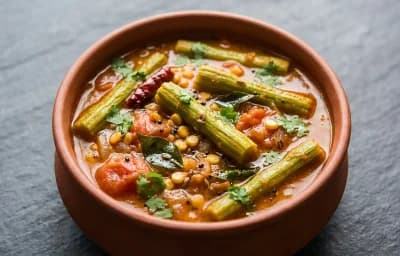
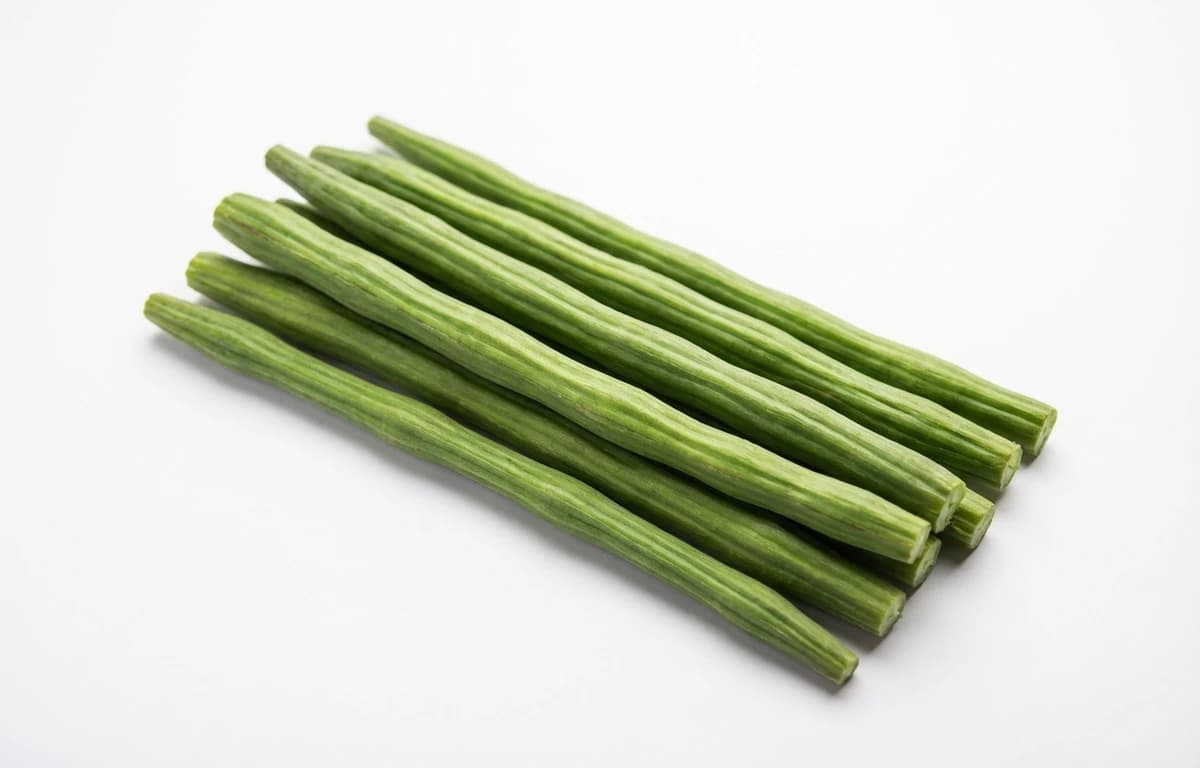
Mulakkada is typically cut into 2-3 inch pieces and cooked in curries, sambar, or stews. It can be boiled, steamed, or sautéed until tender. The soft pulp inside the pod is usually scraped out and eaten, while the fibrous outer skin is discarded.
Mulakkada has a unique, slightly bitter, and earthy flavor with a hint of sweetness. When cooked, the soft pulp inside has a delicate, somewhat mushroom-like taste that readily absorbs the flavors of the spices it's cooked with.
mulakkada is a versatile ingredient found in cuisines around the world. With 37 calories per 100g and 2.1 grams of protein, it's a nutritious addition to many dishes.
Explore more ingredients in the vegetable category with complete nutrition information.
View all vegetable →Fresh mulakkada pods should be stored in the refrigerator, preferably in a perforated plastic bag or wrapped in a damp cloth, to maintain freshness. They can last for about 5-7 days when stored properly.
No, you don't typically peel the entire mulakkada pod before cooking. The outer skin is fibrous and not usually eaten directly. Instead, you cook the pieces, and then scrape out the soft pulp and seeds with your teeth or a spoon while eating, discarding the fibrous skin.
Per 100g, mulakkada contains approximately 2.1g of protein and 8.53g of carbohydrates. While not a primary source of protein, it contributes to daily intake, and its carbohydrates are mostly complex, providing sustained energy.