mulangi
Also known as:
Loading...
Also known as:
Per 100g
Nutrition data source: USDA FoodData Central
Yes, mulangi (radish) is very healthy. It's low in calories and rich in Vitamin C, antioxidants, and dietary fiber. These nutrients support immune function, aid digestion, and contribute to overall cellular health.
Mulangi is packed with benefits. Per 100g, it provides only 18 calories, 0.6g protein, 4.1g carbs, and 0.1g fat. It's particularly rich in Vitamin C, which boosts immunity, and contains antioxidants that protect cells. Its high fiber content supports digestive health.
Absolutely. Mulangi is an excellent food for weight loss due to its very low-calorie count (18 calories per 100g) and high water content. Its dietary fiber also helps promote feelings of fullness, reducing overall calorie intake.
Yes, mulangi is considered low-carb and can be included in a keto diet in moderation. With only 4.1g of carbohydrates per 100g, it's a suitable vegetable for those monitoring their carb intake.
Yes, mulangi is naturally both vegan and gluten-free. As a root vegetable, it contains no animal products or gluten-containing grains, making it suitable for a wide range of dietary needs.
Mulangi can be enjoyed in many ways. It can be eaten raw in salads, grated for raitas, or cooked in stir-fries, curries, and soups. It can also be roasted or sautéed to mellow its peppery flavor.
Mulangi generally has a crisp texture and a mild to pungent, peppery flavor, especially when raw. Cooking tends to mellow its sharpness, giving it a slightly sweet and earthy taste.
mulangi is a versatile ingredient found in cuisines around the world. With 18 calories per 100g and 0.6 grams of protein, it's a nutritious addition to many dishes.
Explore more ingredients in the vegetable category with complete nutrition information.
View all vegetable →To store mulangi, trim off the greens (if any) as they draw moisture. Place the radishes in a perforated plastic bag or a container with a damp paper towel in the refrigerator's crisper drawer. They can last for 1-2 weeks.
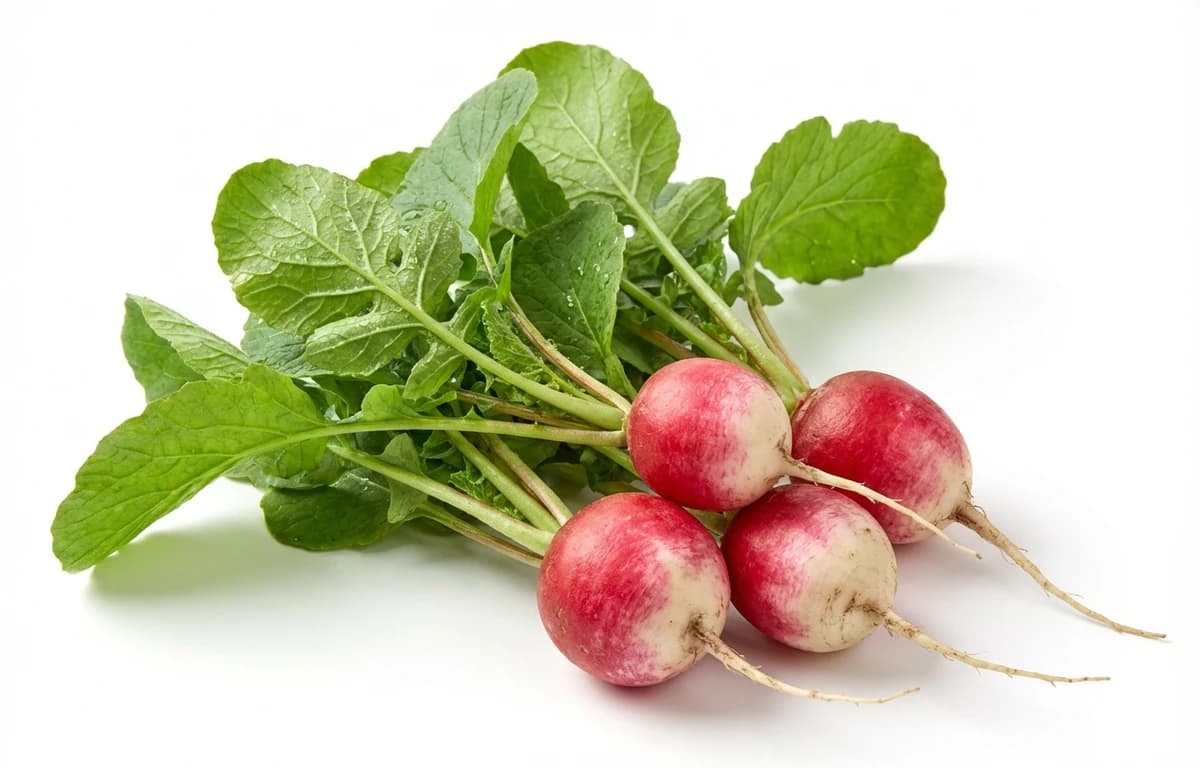
Look for mulangi that are firm, smooth, and free of blemishes or soft spots. If the greens are attached, they should be vibrant and fresh-looking, not wilted. A good mulangi will feel heavy for its size.
Yes, mulangi is commonly eaten raw. Its crisp texture and peppery bite make it a popular addition to salads, slaws, and as a crunchy garnish. Eating it raw also preserves its full Vitamin C content.