muringakka
Also known as:
Loading...
Also known as:
Per 100g
Nutrition data source: USDA FoodData Central
Common measurement equivalents in grams
Yes, muringakka, also known as drumstick, is very healthy. It's packed with essential nutrients like Vitamin C, dietary fiber, and important minerals such as potassium, magnesium, and manganese. Its antioxidant content also contributes to overall well-being.
Muringakka is rich in Vitamin C, boosting immune function and skin health. Its high fiber content aids digestion and promotes bowel regularity. Additionally, it contains antioxidants like flavonoids and phenolic compounds that help protect the body from oxidative stress.
Per 100g, muringakka contains approximately 37 calories, 2.1g of protein, 8.53g of carbohydrates, and a very low 0.2g of fat. It's a nutrient-dense vegetable with a good balance of macronutrients.
Yes, muringakka can be a good addition to a diabetic diet. Its high fiber content helps regulate blood sugar levels, and its relatively low carbohydrate count makes it a healthy choice. Always consult with a healthcare professional for personalized dietary advice.
While muringakka is low in calories and fat, its carbohydrate content of 8.53g per 100g might be a bit high for strict ketogenic diets. However, it can be consumed in moderation as part of a low-carb diet, depending on individual carb limits.
Yes, as a natural vegetable, muringakka is inherently vegan and gluten-free. It is a plant-based food that does not contain any animal products or gluten-containing grains.
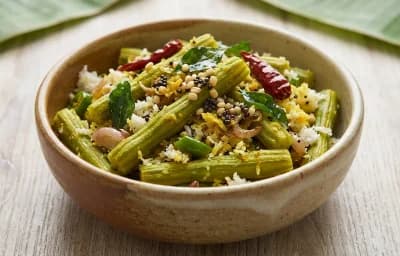
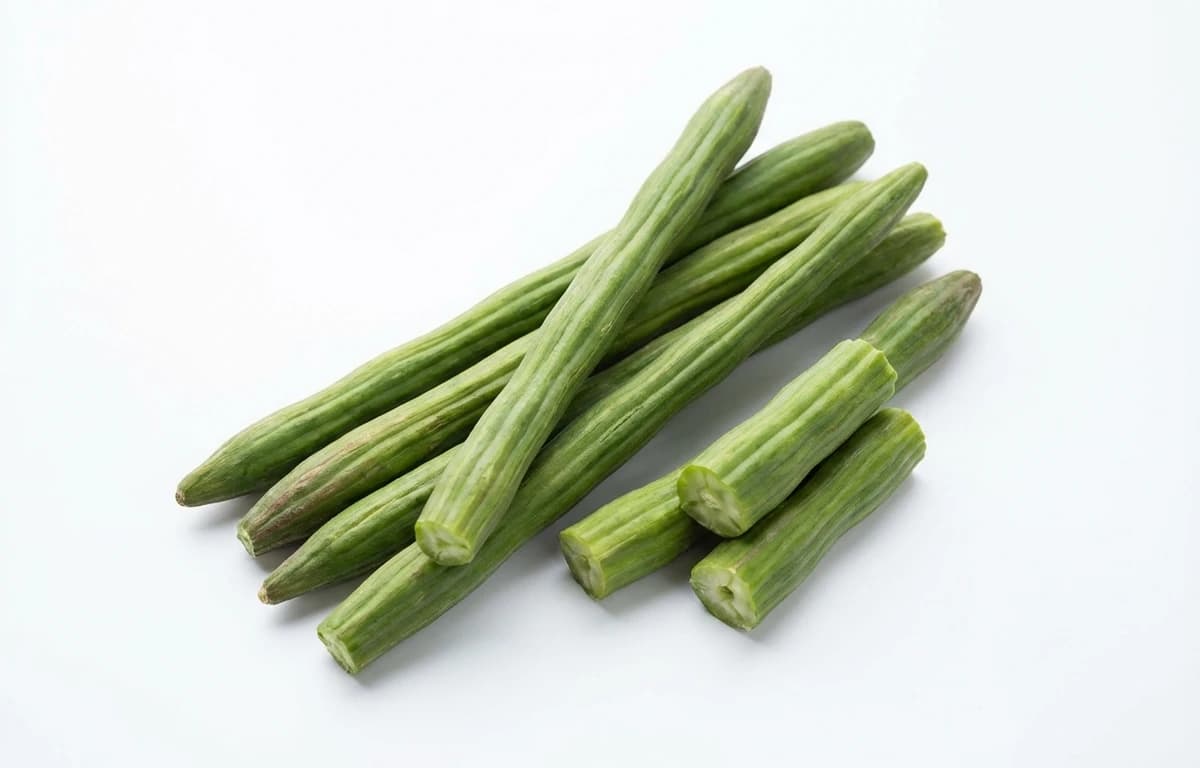
Muringakka pods are typically cut into 2-3 inch pieces. The fibrous outer skin can be lightly scraped off, especially from mature pods, before cooking. They are commonly used in curries, sambar, and stews, where they are boiled or simmered until tender.
muringakka is a versatile ingredient found in cuisines around the world. With 37 calories per 100g and 2.1 grams of protein, it's a nutritious addition to many dishes.
Explore more ingredients in the vegetable category with complete nutrition information.
View all vegetable →Muringakka has a unique, slightly bitter yet subtly sweet and earthy flavor. The pulp inside the pod, which is eaten, has a soft, somewhat slimy texture when cooked, absorbing the flavors of the spices it's cooked with.
Fresh muringakka pods should be stored in the refrigerator, preferably in a perforated plastic bag or wrapped in a damp cloth, to maintain freshness. They can last for about 3-5 days when stored properly.
While the leaves of the moringa tree (from which muringakka pods grow) are often consumed raw, the pods themselves are typically cooked. Young, tender pods might be eaten raw in some preparations, but they are generally too fibrous and tough to be enjoyed raw.