Loading...
Per 100g
Nutrition data source: USDA FoodData Central
Common measurement equivalents in grams
Yes, mutton bones are highly nutritious, particularly when used to make broth. They are rich in collagen and gelatin, which support joint health, and provide essential minerals like calcium, phosphorus, and magnesium for bone strength.
Per 100g, mutton bones contain approximately 180 calories, 15g of protein, and 12g of fat. They contain zero carbohydrates, making them an excellent source of animal-based protein and healthy fats.
Yes, mutton bones are ideal for a ketogenic or low-carb diet. With 0g of carbohydrates and a high fat content (12g per 100g), they are a perfect base for keto-compliant soups and bone broths.
Mutton bone marrow is a concentrated source of healthy fats and fat-soluble vitamins. It contains adiponectin, which supports metabolic health, and provides a rich, savory flavor that enhances the nutritional density of any dish.
Naturally, mutton bones are 100% gluten-free as they are an animal product. If you are using them in a recipe, ensure that other added ingredients like thickeners or pre-made spice rubs are also gluten-free.
For the best flavor, roast mutton bones in the oven at 400°F (200°C) for 30 minutes before boiling. This caramelizes the surface, resulting in a richer, darker, and more flavorful broth or stew.
To extract the maximum amount of collagen and minerals, mutton bones should be simmered for at least 8 to 12 hours. Adding a tablespoon of apple cider vinegar to the water helps break down the bone tissue to release more nutrients.
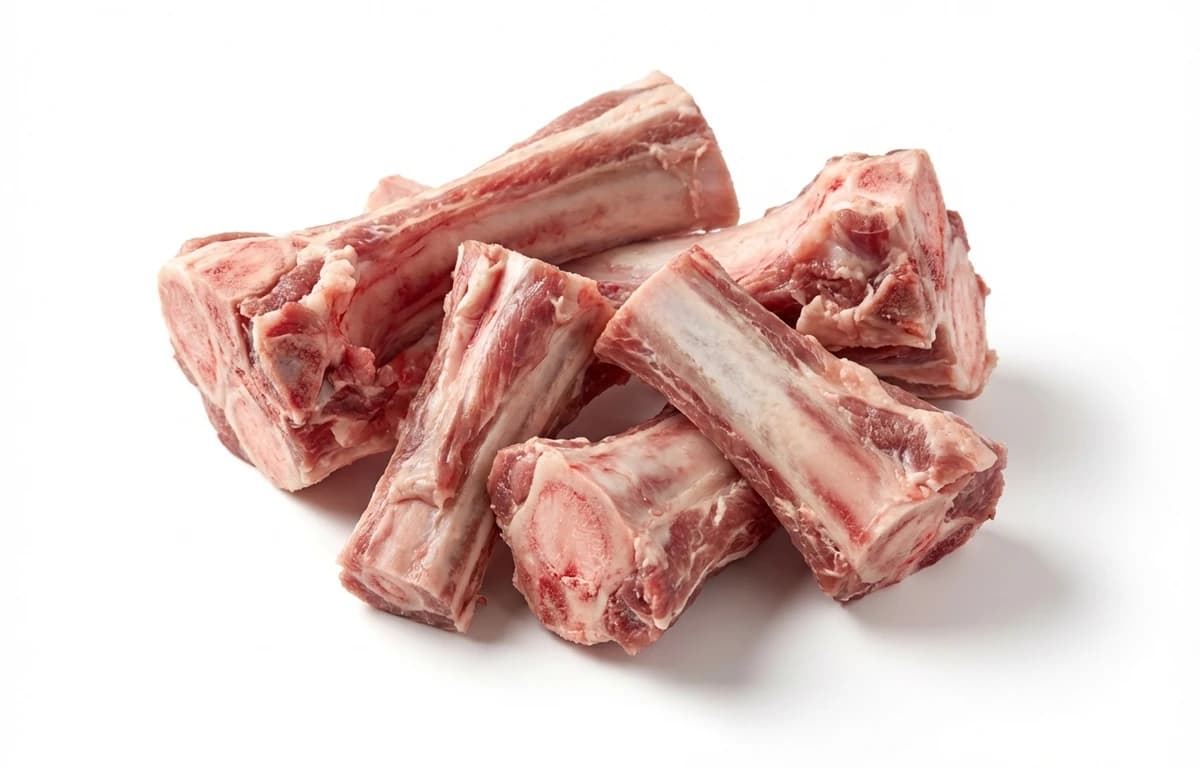
Mutton Bones is a versatile ingredient found in cuisines around the world. With 180 calories per 100g and 15 grams of protein, it's a nutritious addition to many dishes.
Explore more ingredients in the animal product category with complete nutrition information.
View all animal product →Discover 1 recipes featuring mutton bones with step-by-step instructions.
Browse recipes →Raw mutton bones should be stored in the coldest part of the refrigerator and used within 1-2 days. For longer storage, they can be frozen in airtight bags for up to 6 to 12 months without losing nutritional quality.
Fresh mutton bones should have a mild, meaty scent and a pinkish or white appearance. If they develop a sour or pungent odor, a slimy surface texture, or show signs of grey or green discoloration, they are spoiled and should be discarded.
Yes, the gelatin and amino acids like glutamine found in mutton bones are beneficial for the digestive system. These compounds help maintain the integrity of the intestinal lining and can reduce inflammation in the gut.