
Protein3 recipes
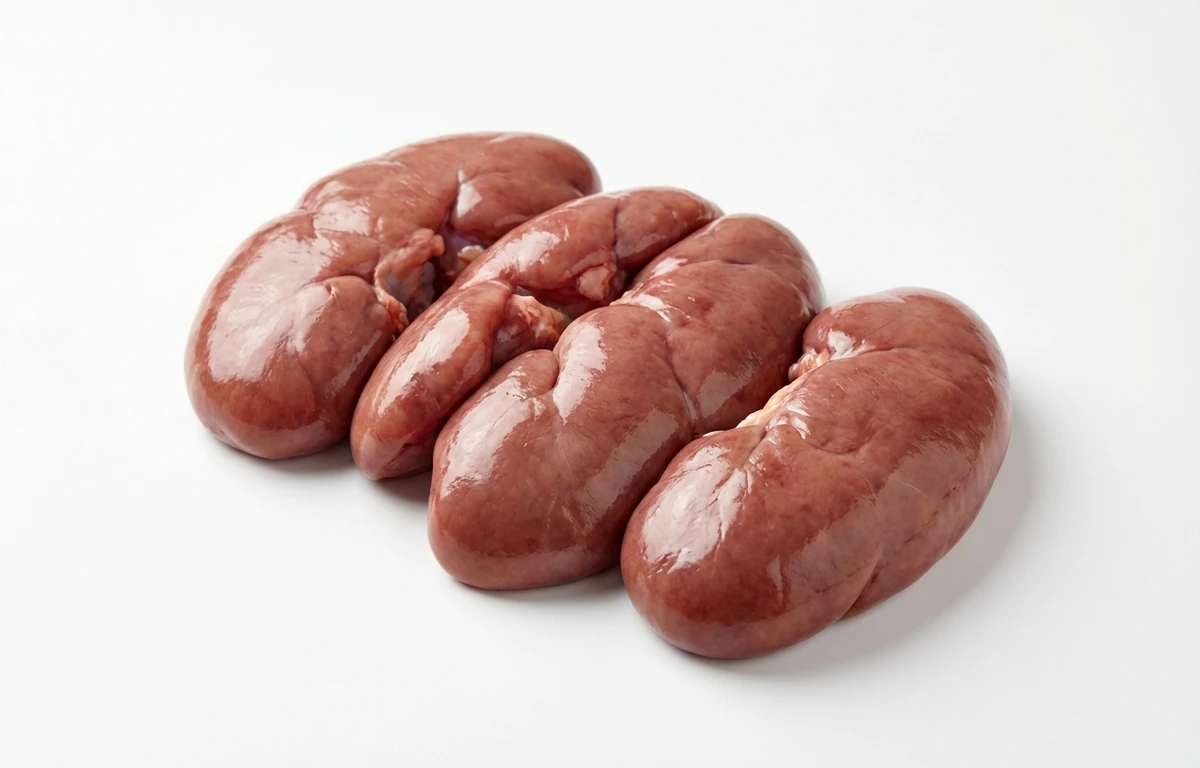
mutton kidneys.
VegetarianVeganGluten-freeDairy-freeNut-freePeanut-freeSoy-freeEgg-freeShellfish-freeHoney-freeAlcohol-free
ALSO KNOWN AS
sheep kidneyslamb kidneys
SERVING
CALORIES
101
PROTEIN
16.5g
CARBS
0.90g
FAT
3.3g
FIBER
0g
NUTRITION PROFILE · per 100 g
Everything in this ingredient.
MACRONUTRIENTS
Calories101kcal—
Protein16.5g33%
Carbohydrates0.90g0%
Fiber0g0%
Sugar0g0%
Total fat3.3g4%
Saturated fat1.1g6%
Trans fat0g—
Cholesterol437mg146%
Water78g—
MINERALS
Sodium182mg8%
Potassium240mg5%
Calcium12mg1%
Iron12.4mg69%
Magnesium17mg4%
Phosphorus240mg19%
Zinc2.8mg25%
Copper0.50mg56%
Manganese0.04mg2%
Selenium140µg255%
VITAMINS
Vitamin A180µg20%
Vitamin C11mg12%
Vitamin D1.1µg6%
Vitamin E0.20mg1%
Vitamin K0µg0%
Thiamin (B1)0.30mg25%
Riboflavin (B2)2.3mg177%
Niacin (B3)7.5mg47%
Pantothenic acid (B5)3.5mg70%
Vitamin B60.60mg35%
Folate (B9)85µg21%
Vitamin B1255µg2292%
%DV based on a 2,000 cal diet. Source: USDA FoodData Central. A dash in the %DV column means there’s no established Daily Value for that nutrient.
MEASUREMENT CONVERSIONS
How much is what.
1 oz3.5g
1 lb0.2g
1 piece50g
HEALTH BENEFITS
Why eat it.
- ✓Extremely high in Vitamin B12 for nerve health
- ✓Excellent source of bioavailable iron to prevent anemia
- ✓Rich in selenium, a powerful antioxidant
- ✓High protein content with low total fat
- ✓Concentrated source of riboflavin (B2) for energy metabolism
COOKING TIPS
In the kitchen.
- 1Remove the thin outer membrane and the white fatty core before cooking
- 2Soak in milk or lightly salted water for 30 minutes to mellow the strong flavor
- 3Cook quickly over high heat (pan-fry or grill) to prevent a rubbery texture
STORAGE
Keep it fresh.
- Store in the coldest part of the refrigerator for no more than 1-2 days
- Freeze in airtight, vacuum-sealed bags for up to 3-4 months
- Keep raw kidneys separate from other foods to prevent cross-contamination
FAQ
Frequently asked questions.
How long do mutton kidneys last in the fridge?
Mutton kidneys are highly perishable and should be cooked or frozen within 1 to 2 days of purchase.
Can I freeze mutton kidneys?
Yes, they freeze well. Wrap them tightly in plastic wrap and then place in a freezer bag; they will stay good for 3-4 months.
How do I choose the best quality kidneys?
Look for kidneys that are firm, shiny, and deep reddish-brown in color with no dry patches or strong, unpleasant odors.
What is the best way to clean mutton kidneys?
Peel off the transparent outer membrane, slice them in half, and use kitchen shears to snip out the white fatty core and tubes.
How do I remove the strong 'gamey' smell?
Soaking the cleaned kidneys in milk, lemon juice, or vinegar-water for 30-60 minutes before cooking helps neutralize the strong scent.
What can I use as a substitute for mutton kidneys?
Lamb kidneys are the closest substitute. Veal or beef kidneys can be used, though beef kidneys are much larger and have a stronger flavor.
Are mutton kidneys healthy?
They are nutrient-dense, providing massive amounts of B12 and iron, but they are very high in cholesterol and should be eaten in moderation.
What are common dishes made with mutton kidneys?
Common dishes include Steak and Kidney Pie, Devilled Kidneys on toast, and various Indian curries like Gurda Masala.
Should kidneys be cooked medium-rare or well-done?
Kidneys are best served slightly pink in the middle (medium); overcooking them makes them tough and rubbery.
RECIPES
Cook with mutton kidneys.
3 recipes · sorted by what’s quick



















